
Die Ausstellung widmet sich umfassend der Arbeit von Paul Poiret, einem Couturier, der 1903 den Schritt in die Selbstständigkeit wagte. Zuvor arbeitete er bei Charles Frederick Worth, dem „Erfinder der Haute Couture“, dem ebenfalls im Jahr 2025 eine Ausstellung im Petit Palais, Musée des Beaux-Arts de la Ville de Paris gewidmet wird.
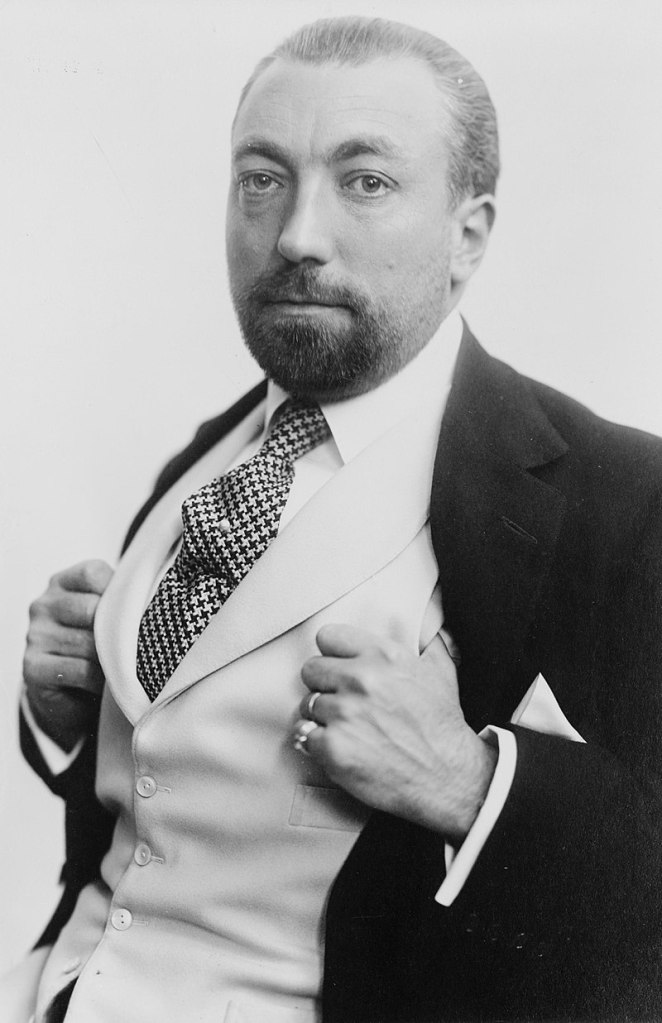
1879 – Paul Poiret wird am 20. April in Paris geboren. Sein Vater ist Tuchhändler und er wächst gemeinsam mit drei älteren Schwestern auf.
1882 – Zunächst geht er bei einem Schirmmacher in die Lehre, doch sein Herz schlägt schon für die Mode. Er verkauft einige seiner Skizzen an das Modehaus Raudnitz, was den Beginn seiner Arbeit als freischaffender Designer markiert.
1898 – Beim französischen Modeschöpfer Jacques Doucet lernt er den Umgang mit Stoffen sowie das präzise Zuschneiden.
1901 – Er beginnt für Charles Frederick Worth zu arbeiten, doch seine Entwürfe sind für die Maison Worth zu extravagant.
1903 – Er macht sich mit seinem eigenen Salon selbstständig.
1908 – Paul Poiret ist der erste Couturier, der seine Entwürfe illustrieren lässt und in einem Album veröffentlicht. Die erste Ausgabe erscheint in 250 Exemplaren.

Kleid von Poiret, 1908
Zeichnung von Paul Iribe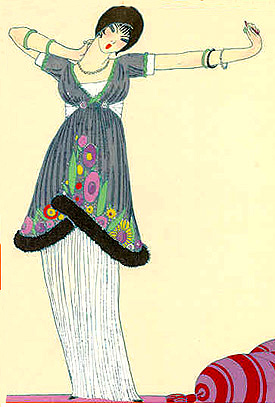
Kleid von Poiret, 1912
Zeichnung von Paul IribeIm Gegensatz zu den Entwürfen seiner Zeitgenossen sind Poirets Modelle erstmals ohne Korsett tragbar und wirken dabei nicht nur modisch, sondern ausgesprochen elegant – für die damalige Zeit eine echte Revolution. Er führt sogar Hosenröcke ein, die bislang nur von Radfahrerinnen getragen werden, und erweitert damit die Möglichkeiten der Damenmode erheblich.
1911 – Aus heutiger Sicht macht Poiret einen kleinen Rückschritt in Sachen Modeemanzipation, als er den sogenannten Humpelrock entwirft. Im gleichen Jahr gründet er die Schule Les Ateliers de Martine, benannt nach seiner jüngeren Tochter, in der junge Mädchen nach den Prinzipien der Wiener Werkstätte ausgebildet werden. Seinem älteren Kind, Rosine, widmet er das Unternehmen Parfums de Rosine. Mit diesen Duftkreationen auf Basis von Rosen gilt Poiret lange vor Coco Chanel als einer der ersten Couturiers, der ein Parfum-Haus etabliert.
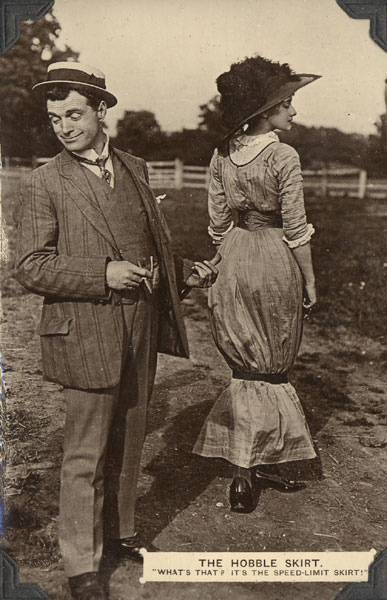
Eine Postkarte mit einer Darstellung des Humpelrocks, 1911 1929 – Aufgrund der Wirtschaftskrise muss das Modehaus geschlossen werden.
1944 – Der Designer stirbt am 28. April in Paris.
Die Ausstellung
Vom 25. Juni 2025 bis zum 11. Januar 2026 findet die die Ausstellung mit dem Titel „Paul Poiret, la mode est une fête“ im Musée des Arts décoratifs statt. Gezeigt werden rund 550 Werke. Darunter Kleidung, Accessoires, Kunstwerke und Objekte der dekorativen Kunst, die Poirets Einfluss auf Mode, Parfum, Feste und Gastronomie verdeutlichen. Die Ausstellung unterstreicht das anhaltende Erbe von Poiret, dessen Kreativität Designer wie Christian Dior (1948) und moderne Couturiers wie Alphonse Maitrepierre (2024) inspirierte.
Die Ausstellung nimmt Besucher*innen mit auf eine Reise von der Belle Époque bis zu den Goldenen Zwanzigern.

Ich habe die Ausstellung am 6. September 2025 besucht und mich etwa 90 Minuten im Musée des Arts décoratifs aufgehalten. Im Folgenden zeige ich Bilder, die die einzelnen Epochen chronologisch widerspiegeln. Da ich mich in erster Linie auf den Aspekt der Mode konzentriert habe, erhebt dieser Artikel keinen Anspruch auf Vollständigkeit.
Selbstverständlich können diese Bilder und meine persönlichen Eindrücke einen Besuch im Museum nicht ersetzen.
- THE FORMATIVE YEARS
Paul Poiret, 1879 in Paris als Sohn eines Tuchhändlers geboren, erlebte schon als Kind die Weltausstellung von 1889 und entwickelte früh eine Leidenschaft für Kunst, Theater und Mode. Mit ersten Entwürfen, die er an bekannte Couturiers wie Madame Chéruit und Jacques Doucet verkaufte, fand er schnell seinen Weg in die Pariser Modewelt. 1901 wurde er schließlich von Gaston Worth engagiert, um frische und jugendliche Kollektionen zu entwerfen. Dieser Schritt legte den Grundstein für seine Karriere als einflussreicher Modeschöpfer.
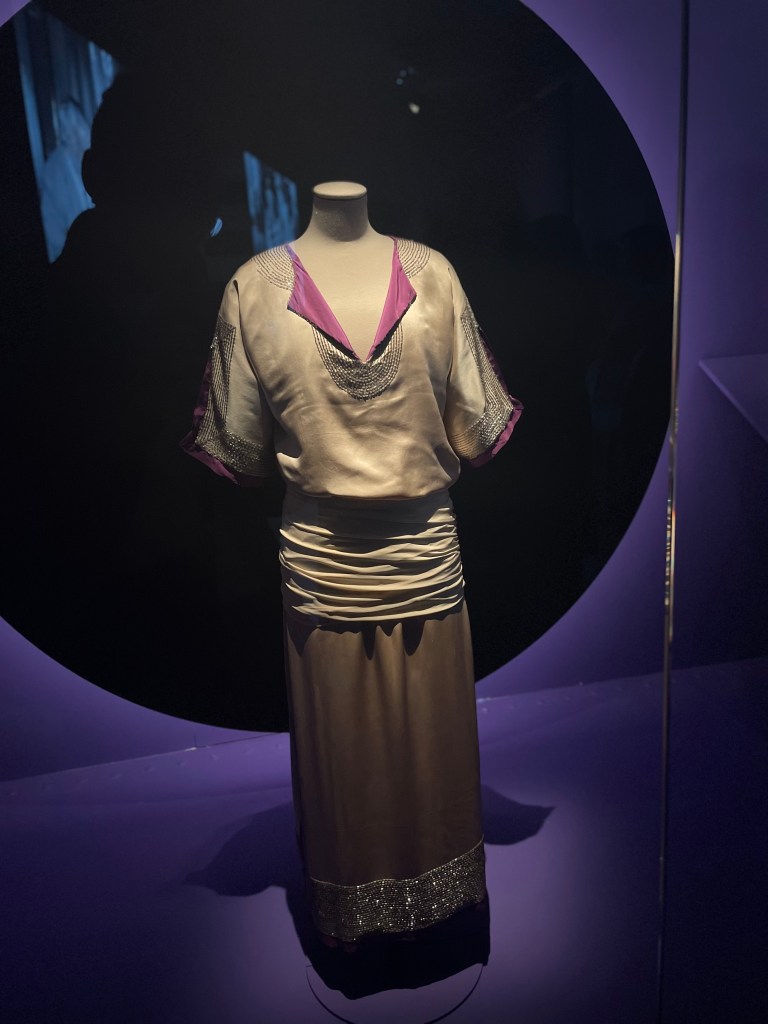
1900 – 1910
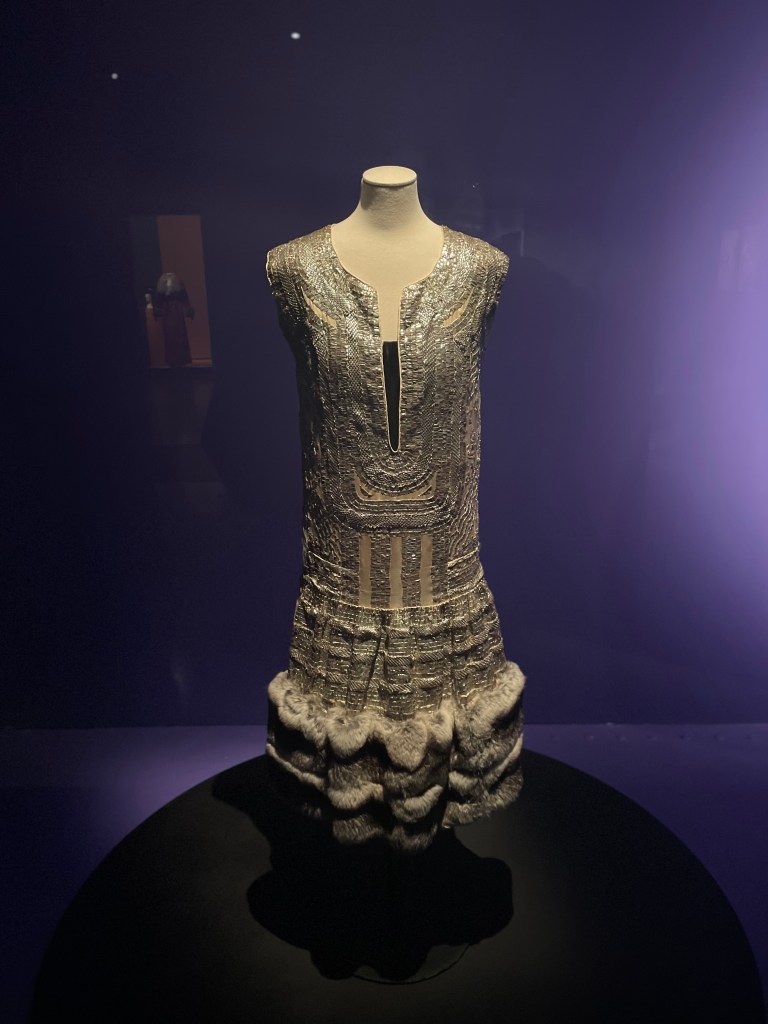
1924

1895
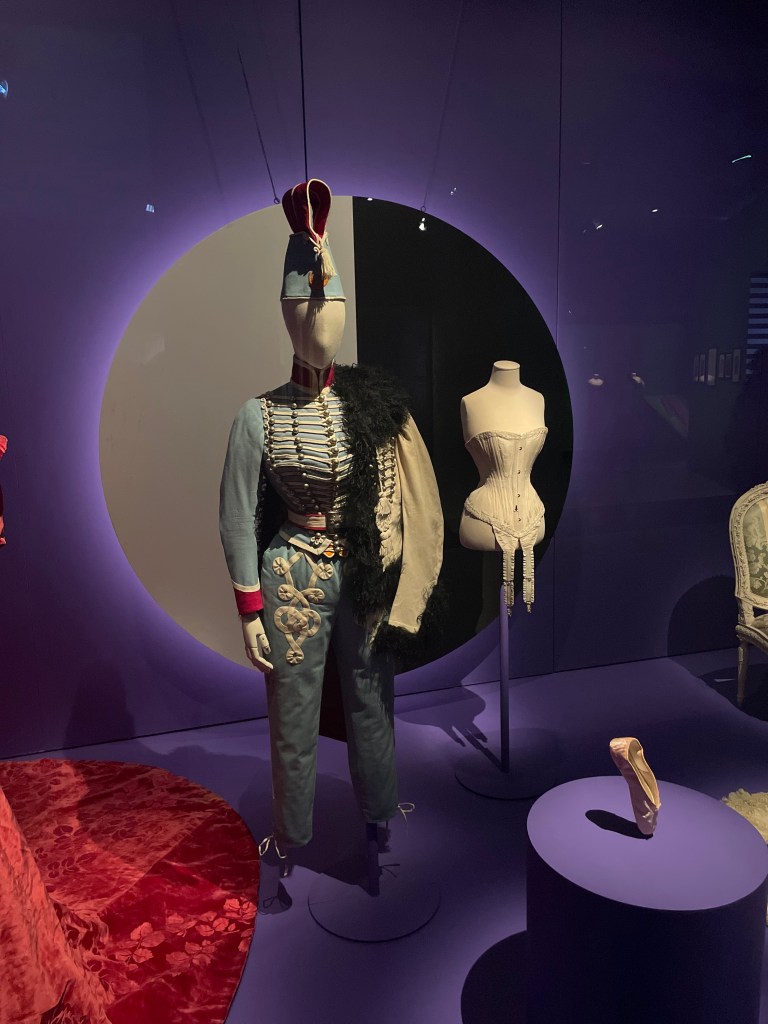
1900
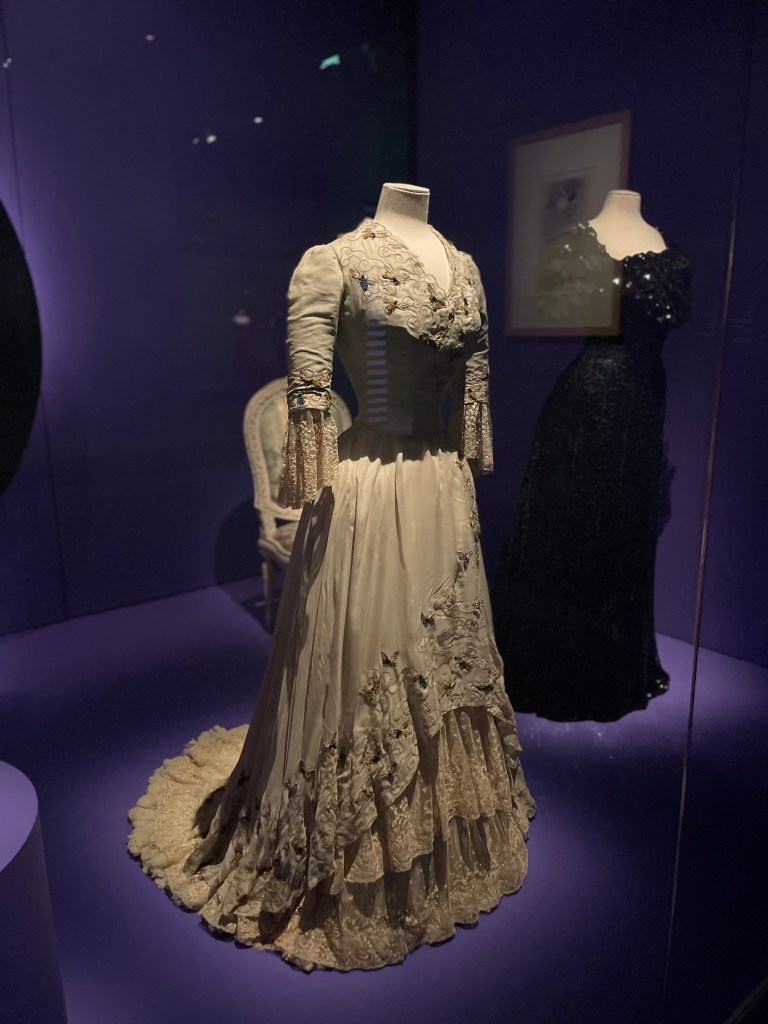
1900 – 1905
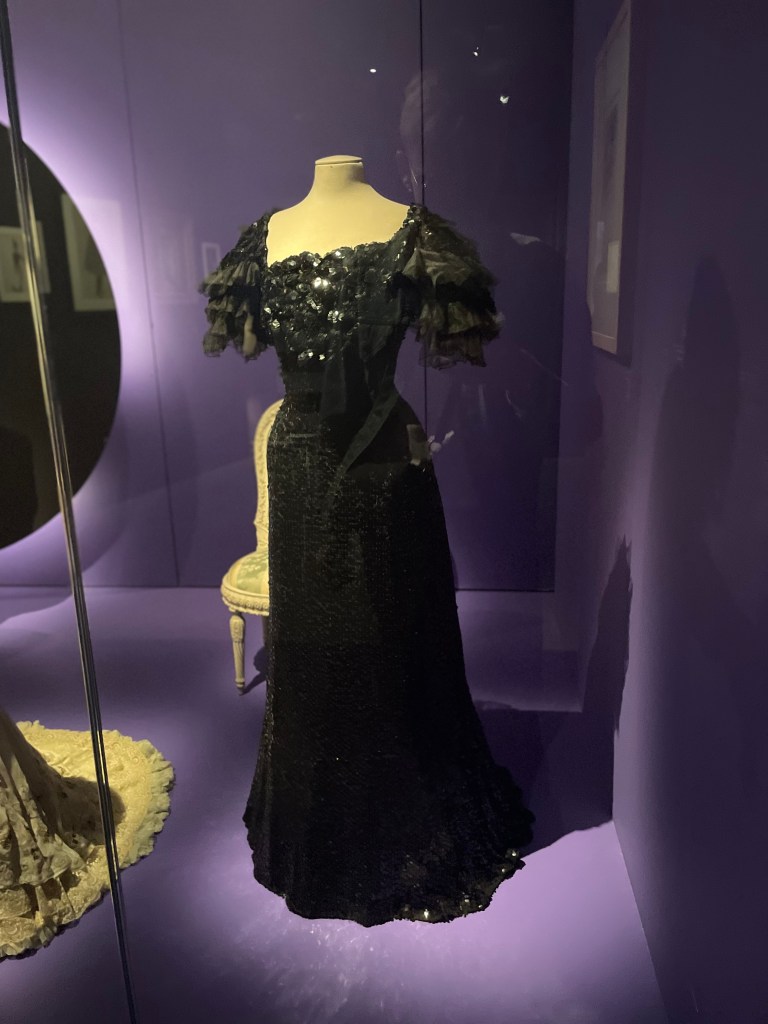
1900
- THE COUTURIER’S BEGINNINGS
1903 gründete Paul Poiret sein Couture-Haus im Pariser Opernviertel, finanziert durch ein Darlehen seiner verwitweten Mutter. Schon bald feierte ihn die Presse als großen Innovator. 1905 heiratete er Denise Boulet, die zu seiner Muse wurde. Seine Kollektion von 1907 gilt als Manifest seines Stils: schmale, gerade Kleider, der Abschied vom Korsett und die Einführung des Büstenhalters prägten seine neue Ästhetik.
Um seine Entwürfe zu präsentieren, die durch kühne Material- und Farbkombinationen auffielen, ließ Poiret 1908 das Buch Les Robes de Paul Poiret racontées par Paul Iribe veröffentlichen. 1909 eröffnete er auf der Avenue d’Antin neue Salons in einem Herrenhaus aus dem 18. Jahrhundert, dessen französischer Garten als märchenhafte Kulisse für Modenschauen diente. Mit einer Neugestaltung des Interieurs durch Louis Süe wurde das Haus zu einem gesellschaftlichen Treffpunkt der Pariser High Society in unmittelbarer Nähe der Champs-Élysées.
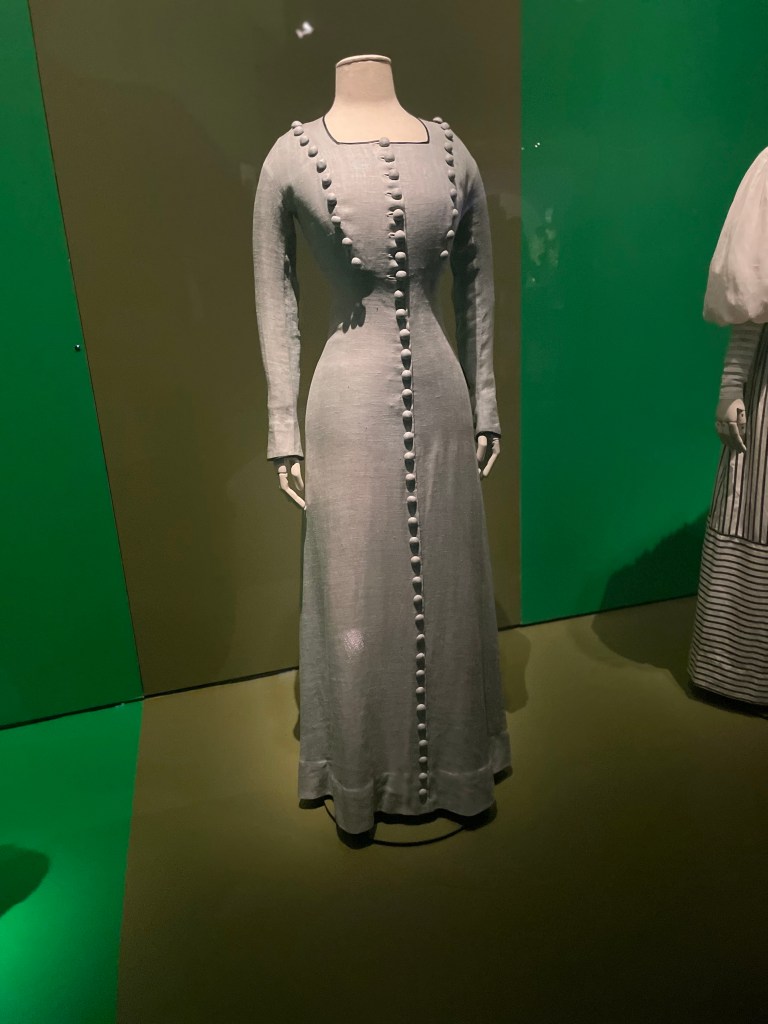
1906
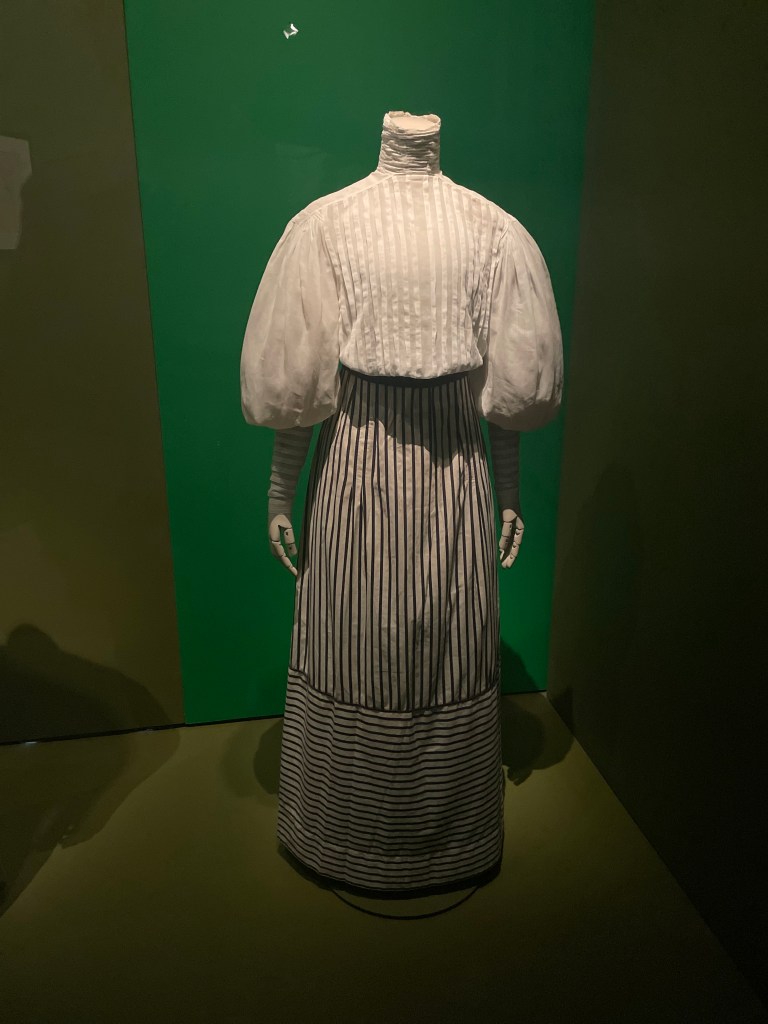
1906

1908
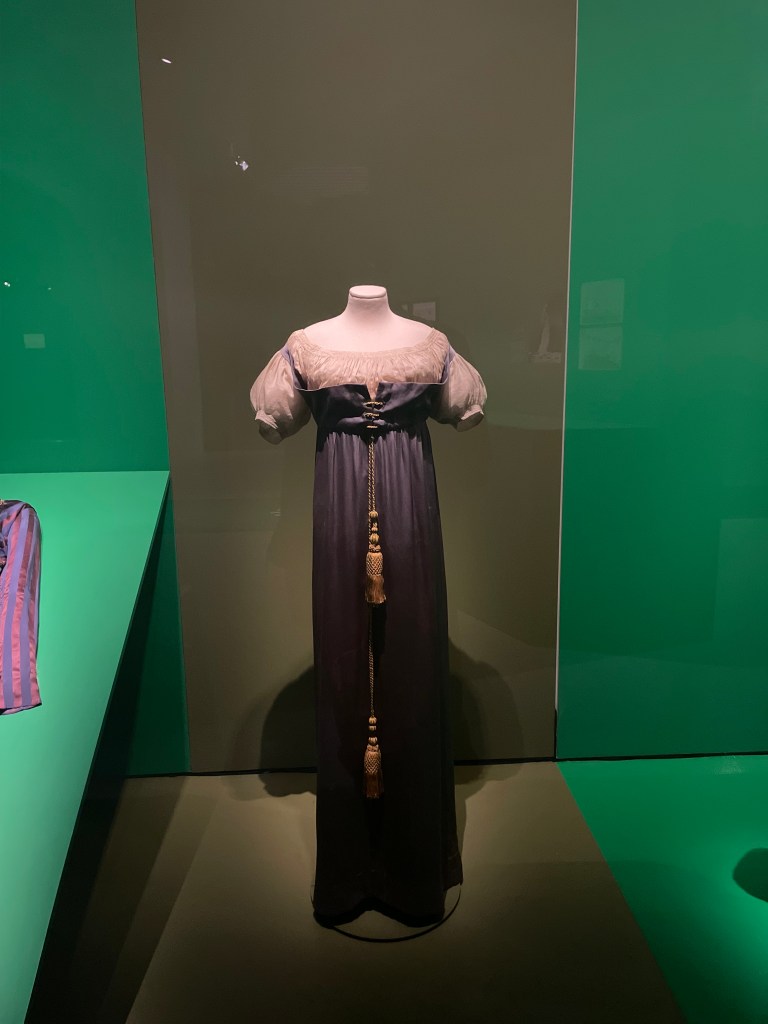
1908
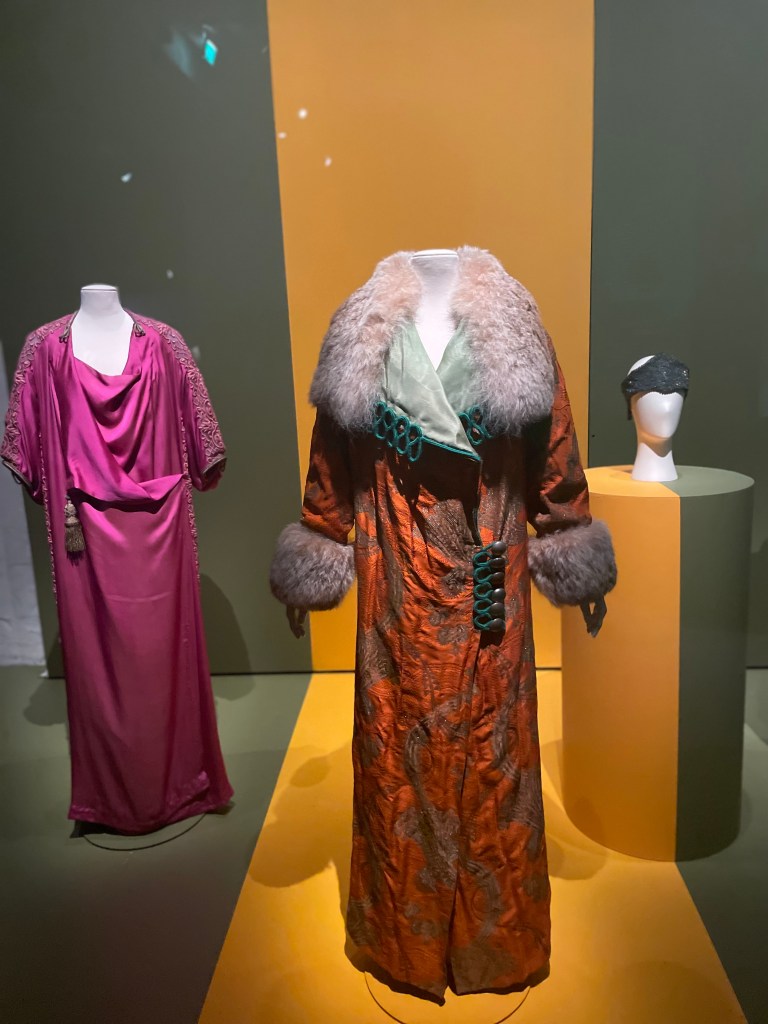
Mantel aus 1910
Kopfschmuck aus 1914
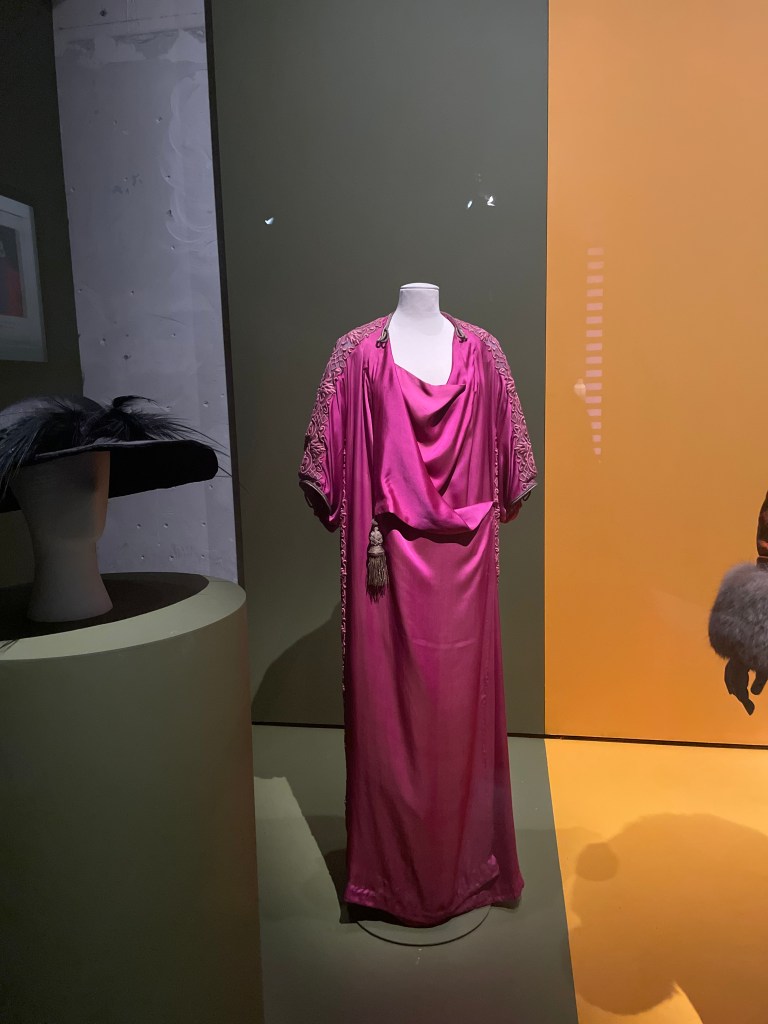
1911
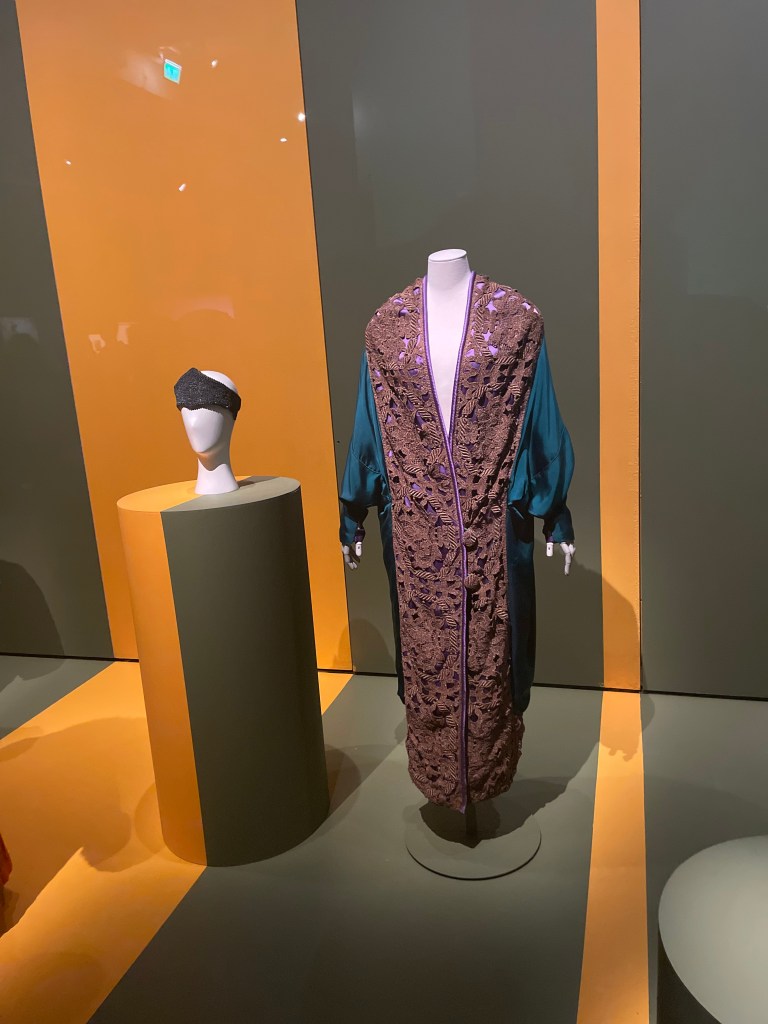
1910
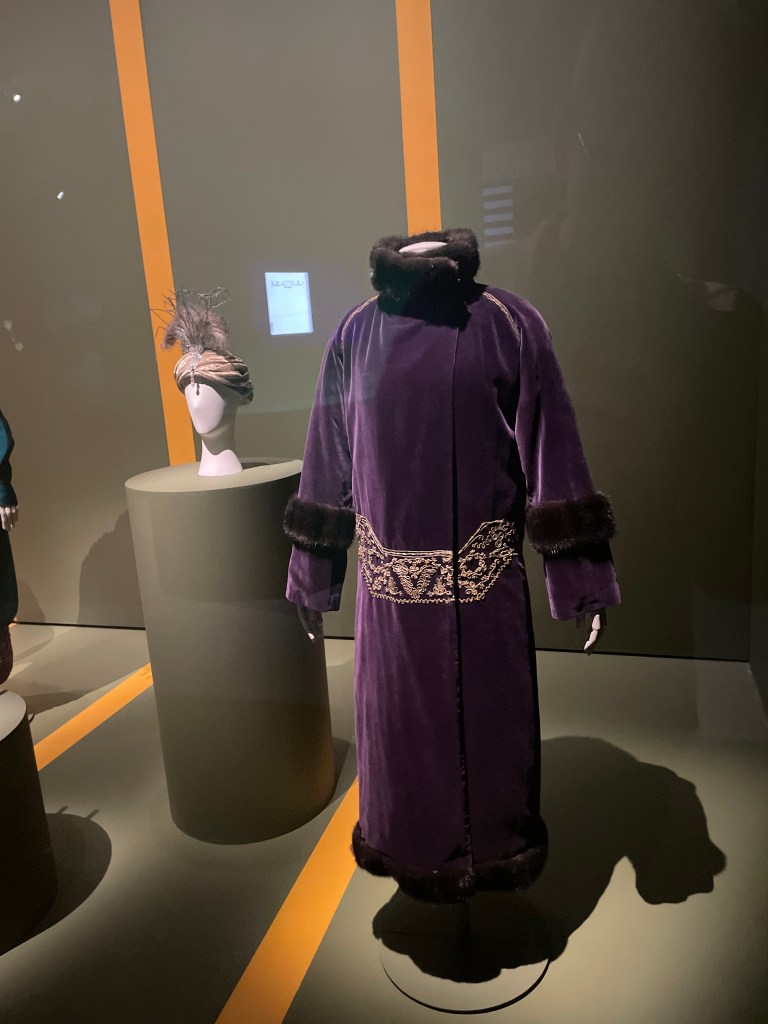
Mantel aus 1911
Kopfschmuck 1911 – 1913
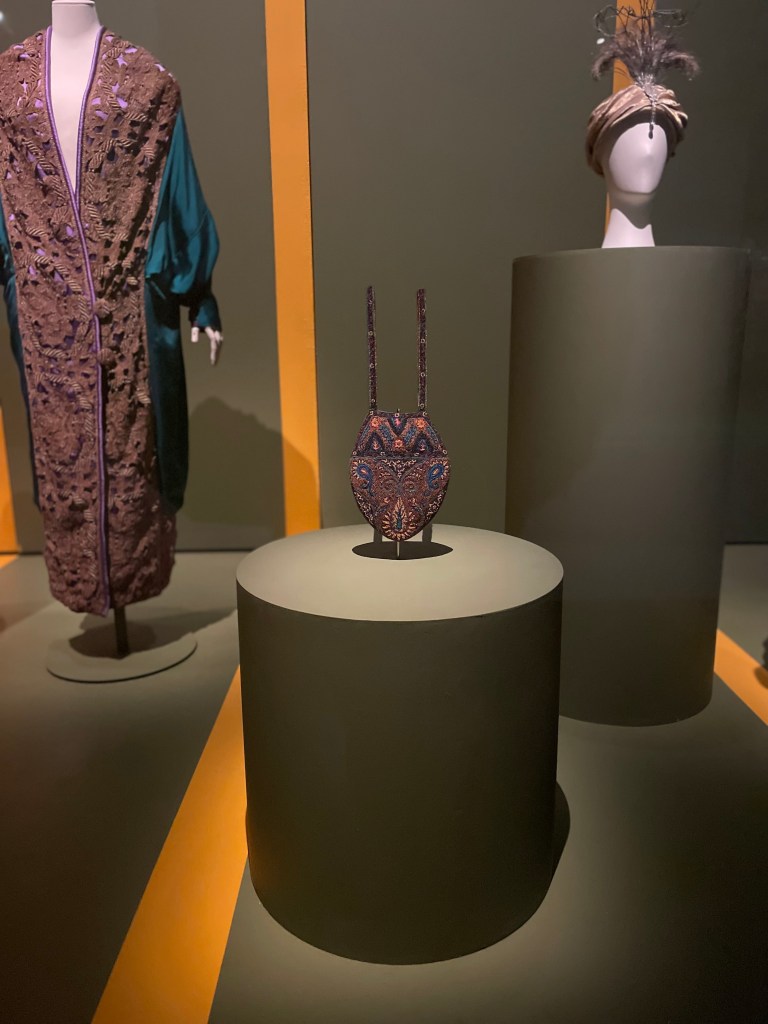
1910
- ARTISTIC COLLABORATIONS
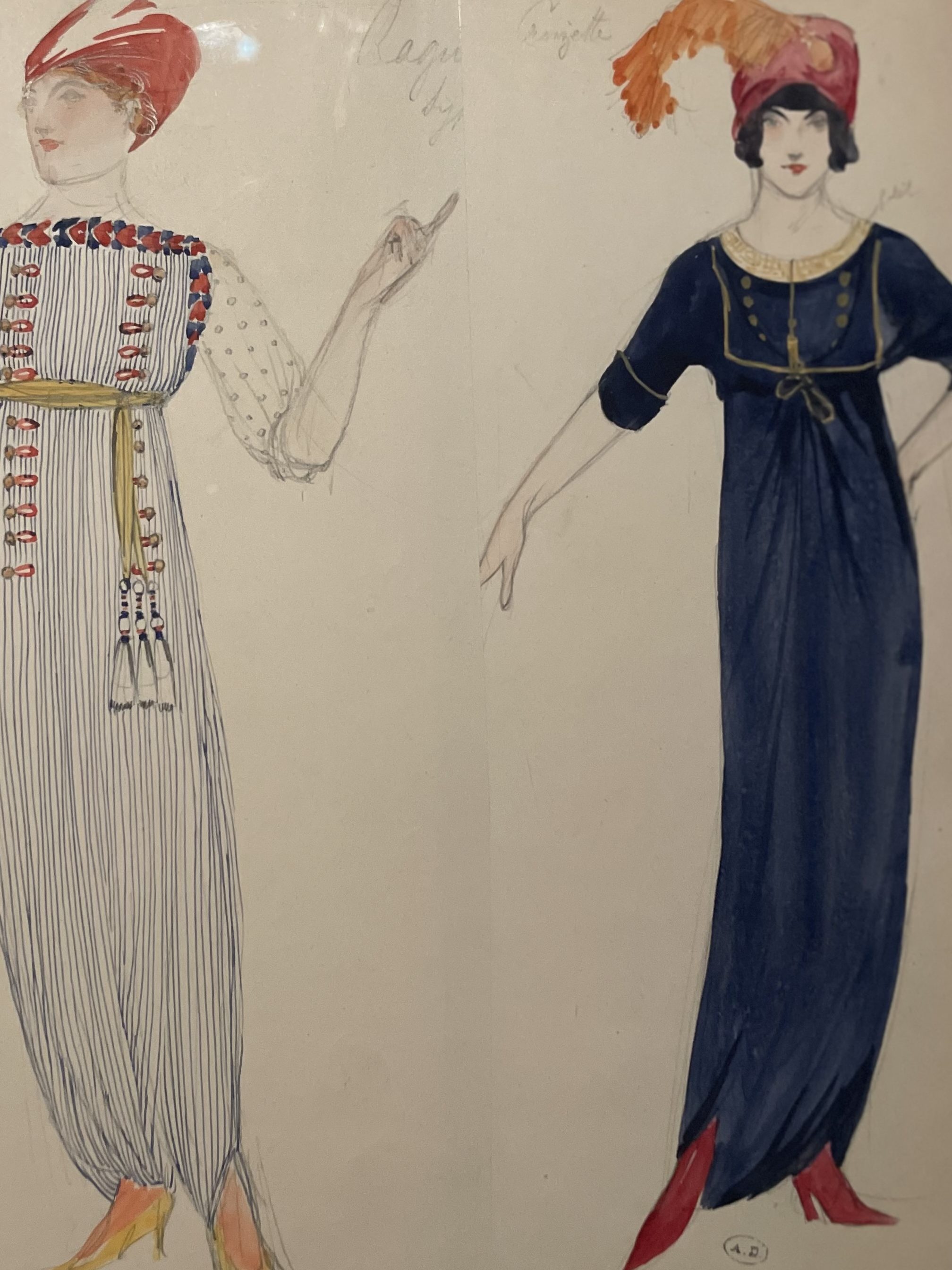
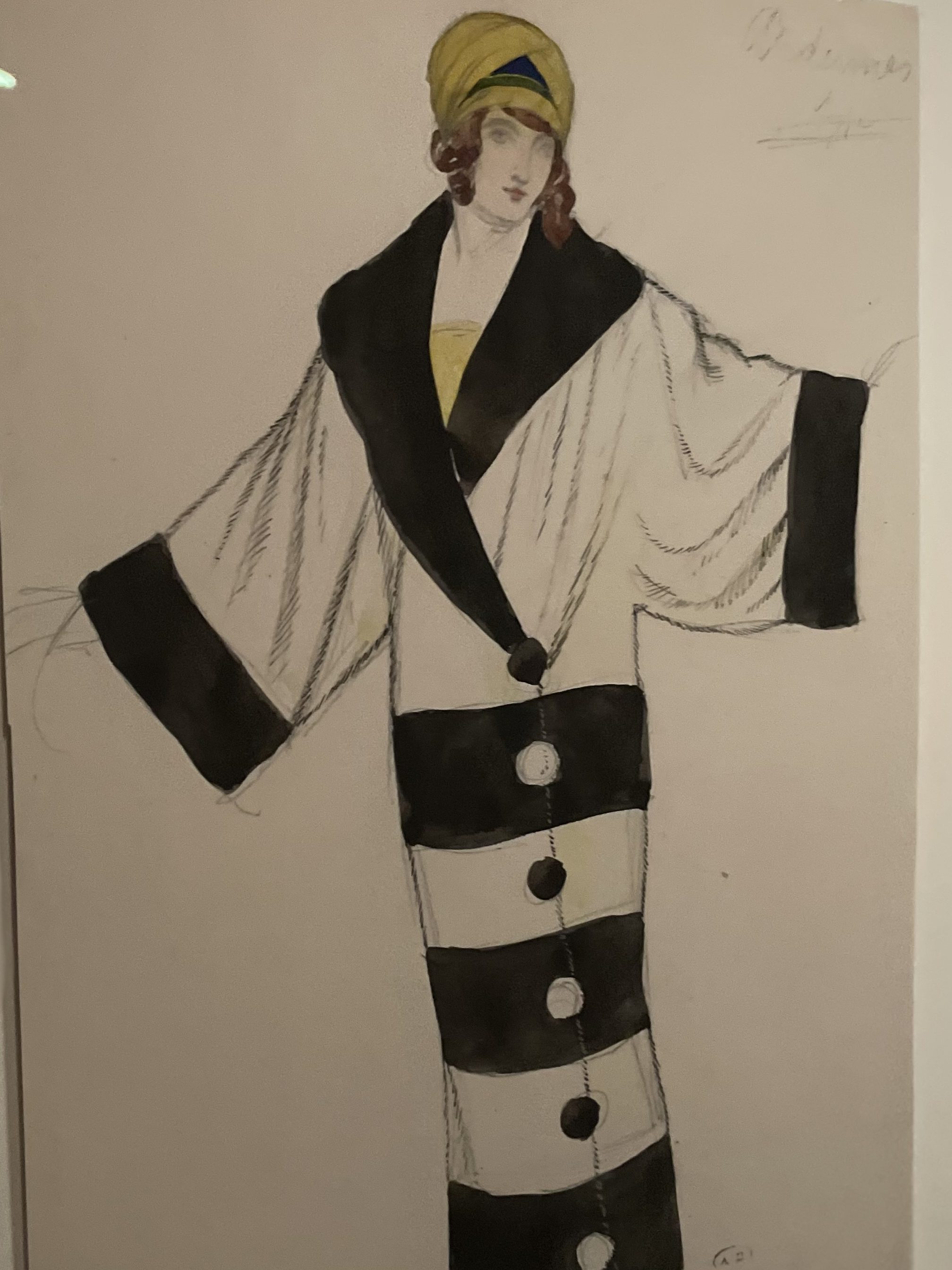
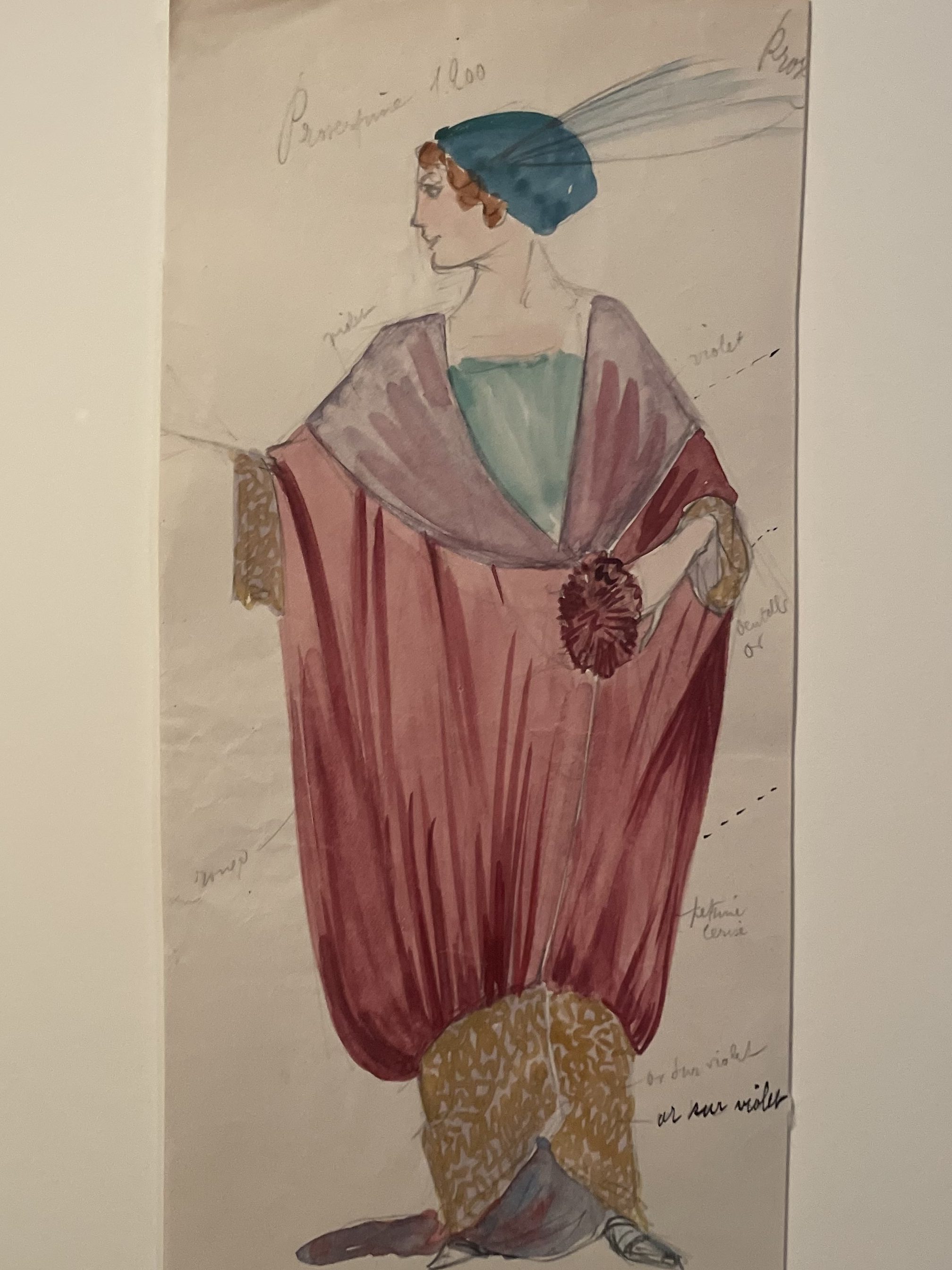
Der Modeschöpfer Paul Poiret war nicht nur ein Pionier der Couture, sondern auch ein leidenschaftlicher Kunstliebhaber. Früh erkannte er die Bedeutung der Fauves, einer Künstlergruppe um Henri Matisse, André Derain, Maurice de Vlaminck und Raoul Dufy. Diese „wilden Tiere“, wie sie spöttisch genannt wurden, revolutionierten die Malerei um 1905 durch den Einsatz von reinen, leuchtenden Farben und einer expressiven Malweise, bei der die Farbe wichtiger war als die realistische Darstellung.
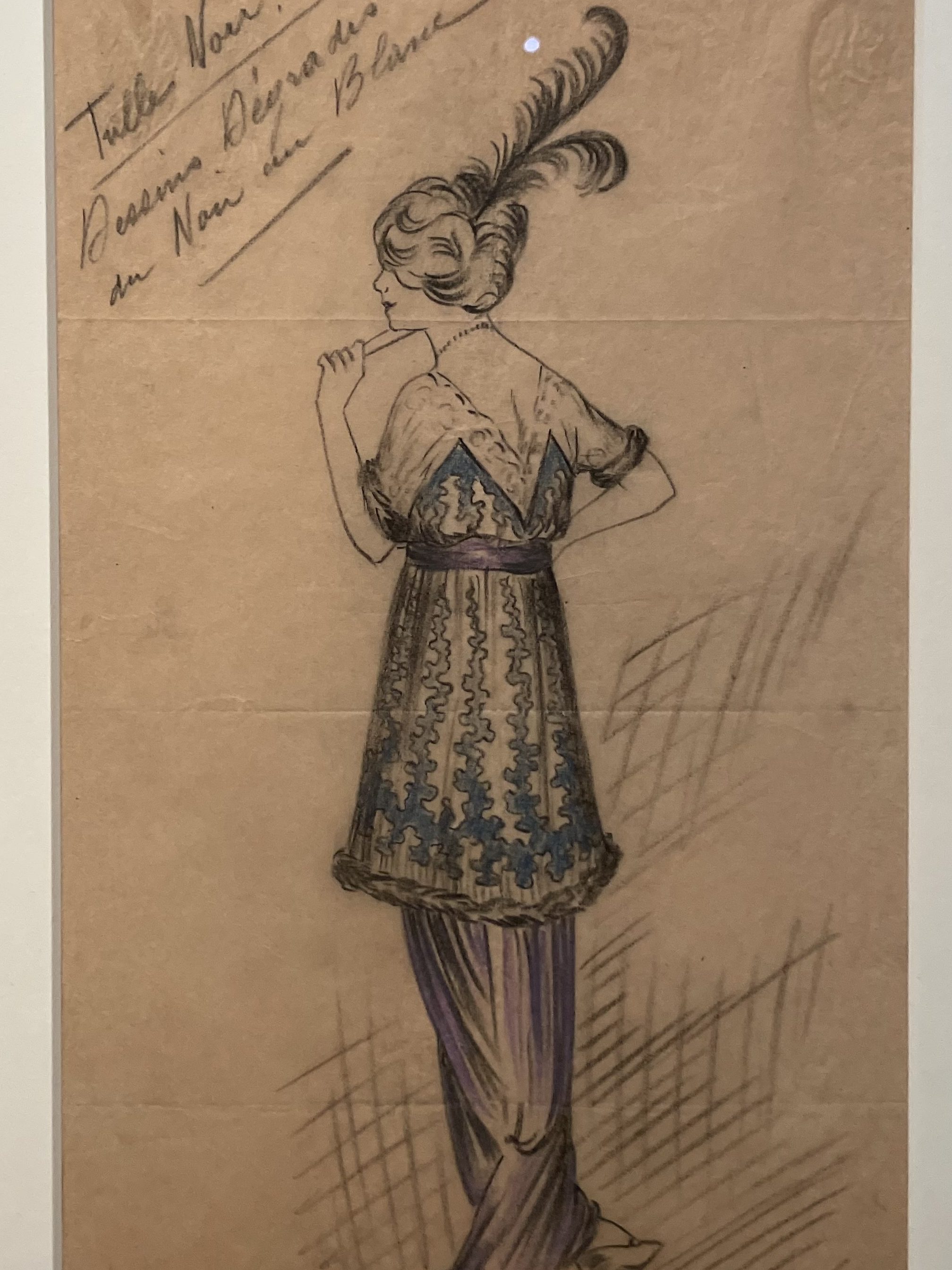
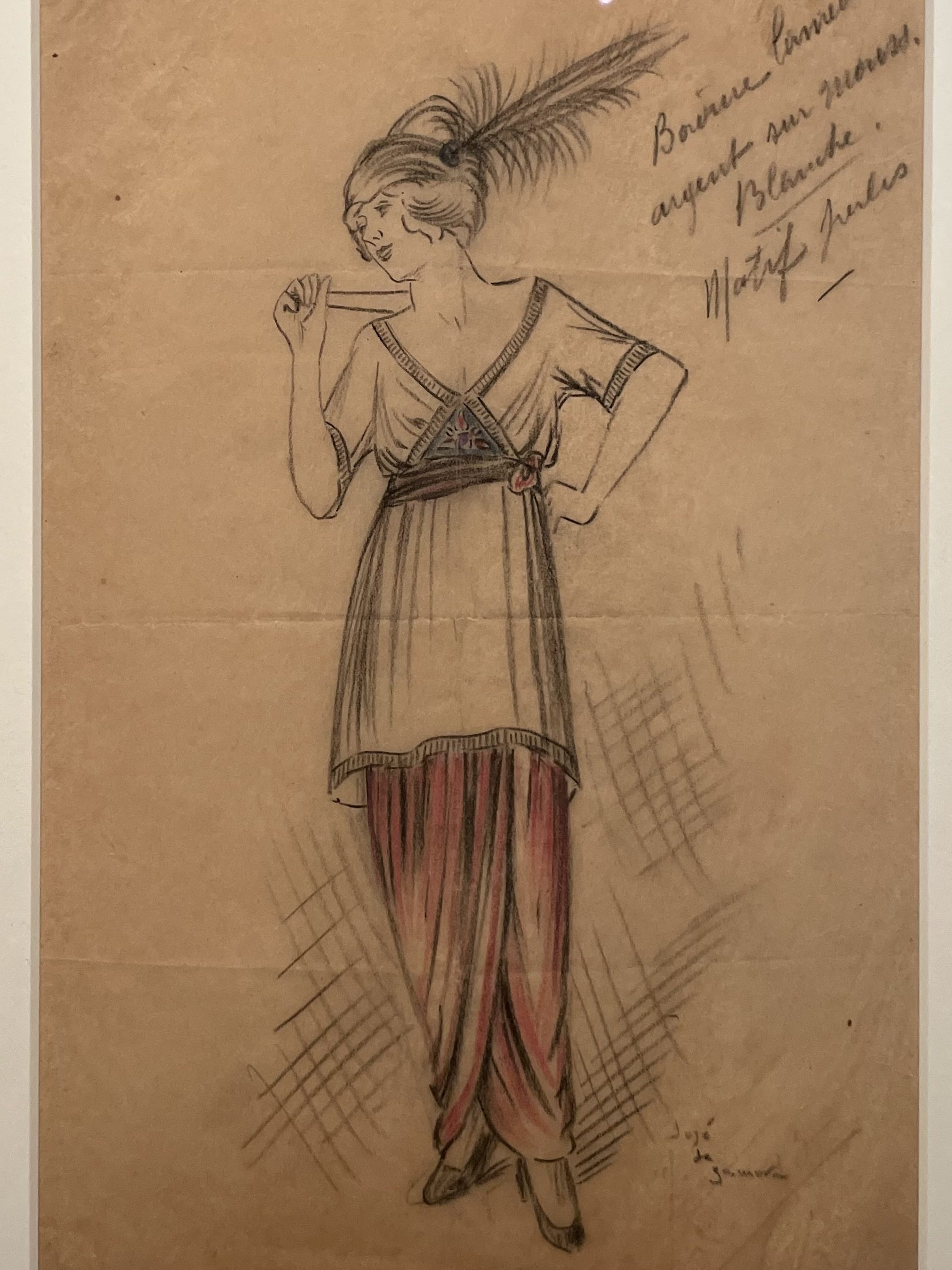
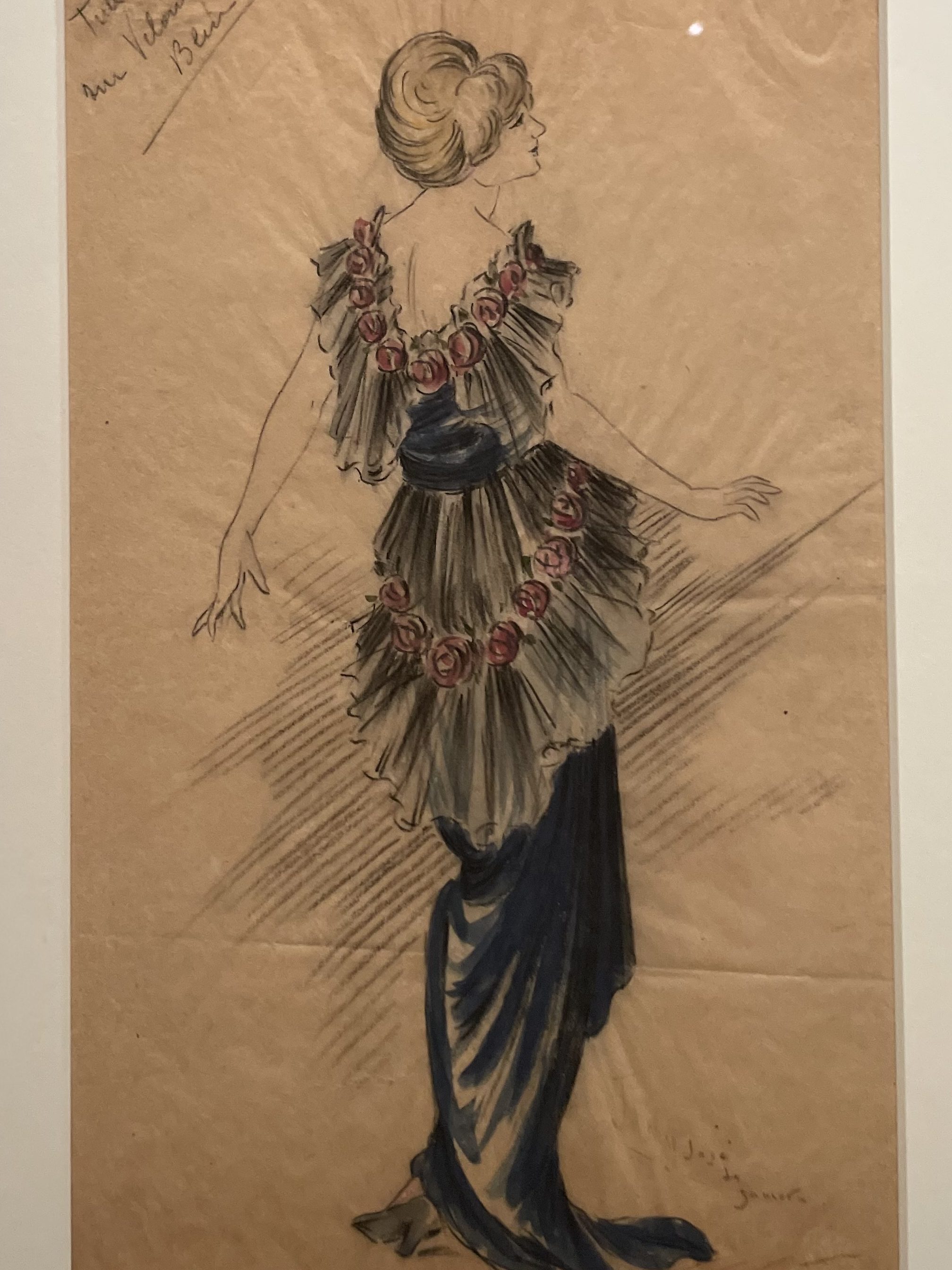
Poiret ließ sich von dieser künstlerischen Bewegung inspirieren und holte junge Talente in sein Modehaus: Raoul Dufy entwarf Stoffmuster, Vlaminck gestaltete Knöpfe, und 1911 veröffentlichte Georges Lepape ein Album mit Poirets Kreationen in kunstvollen Schablonendrucken. Auch andere kreative Köpfe wie José de Zamora, Victor Lhuer und später die avantgardistische Fotografin Germaine Krull arbeiteten für ihn.
- DRESSING DANCERS AND ACTRESSES ON THE STREETS AND ON STAGE
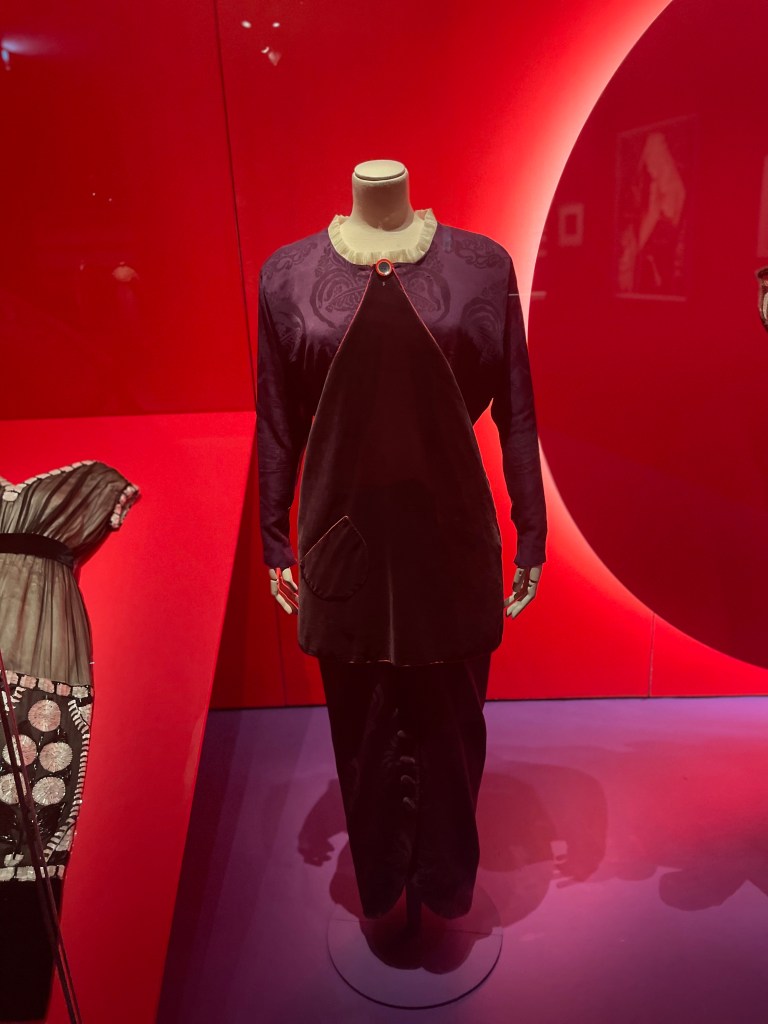
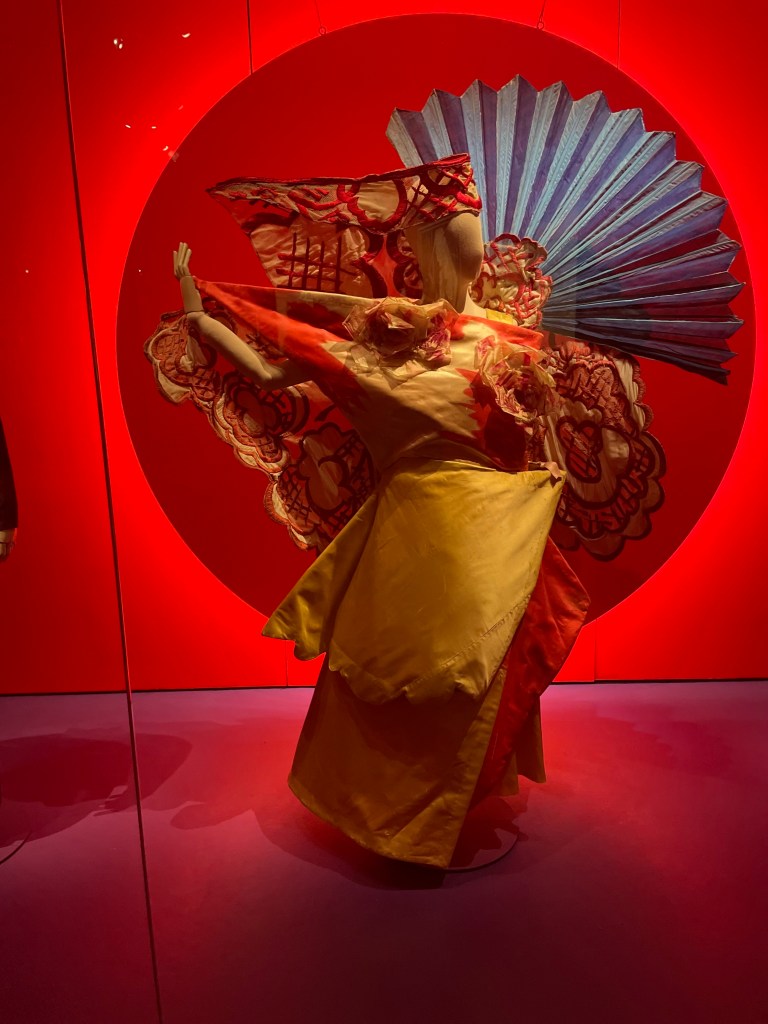
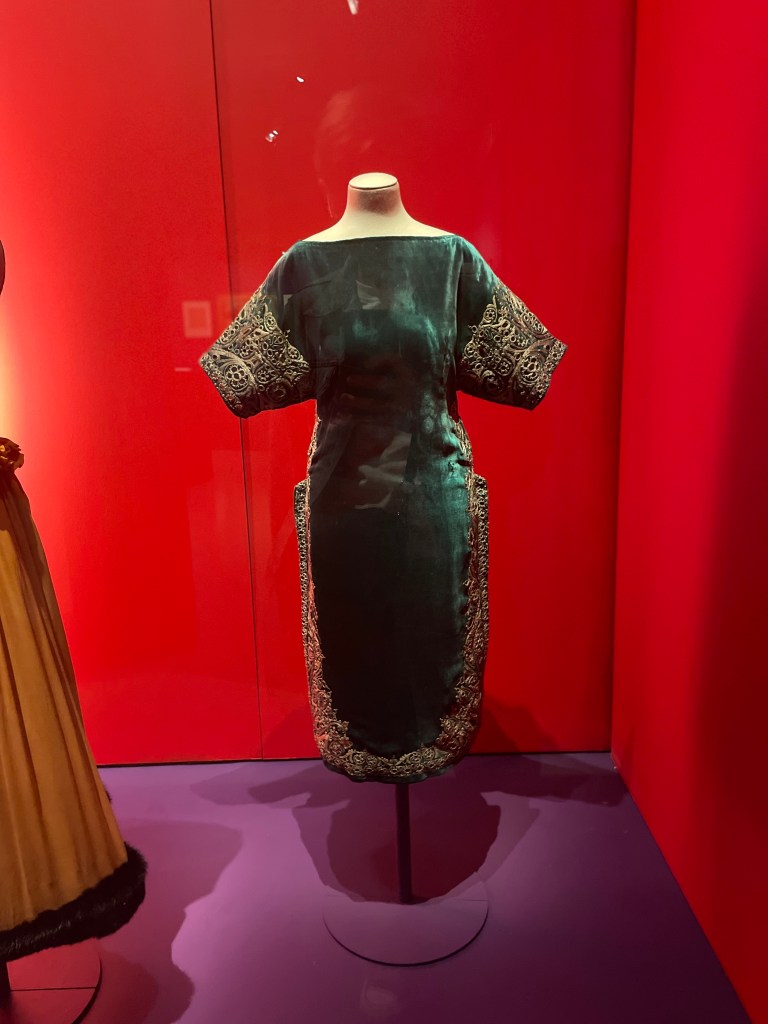
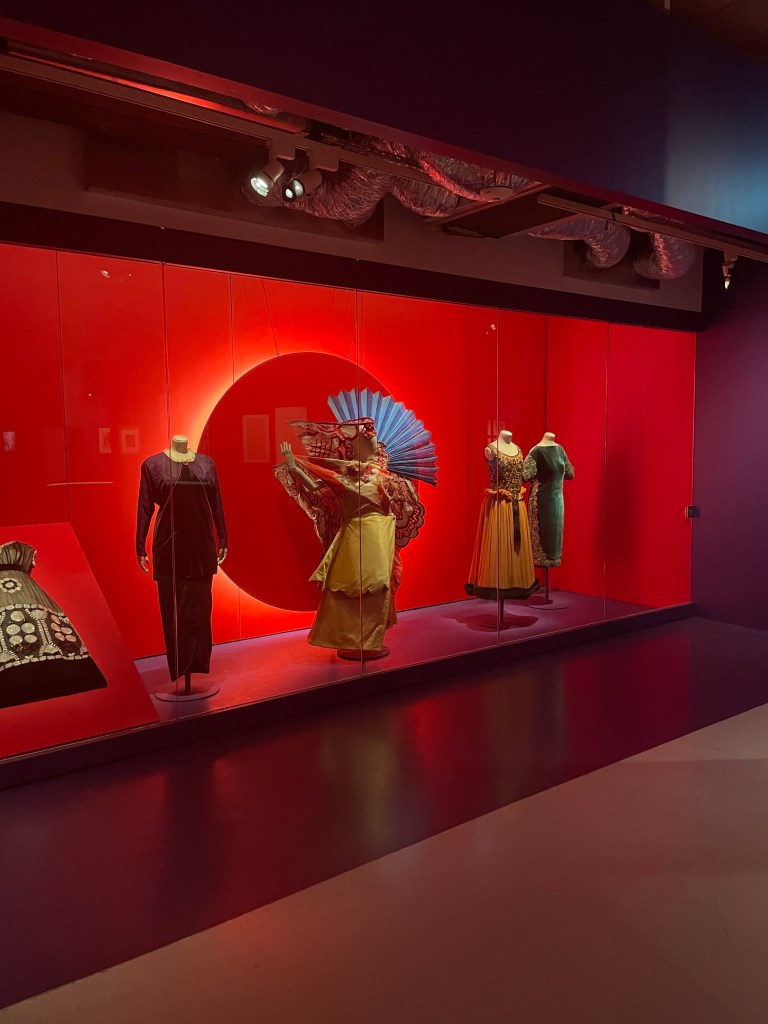
1909 eroberte Sergei Diaghilevs Ballets Russes Paris und revolutionierte mit ihrer Ästhetik die Kunstwelt. Die Tänzer Vaslav Nijinsky und Tamara Karsavina galten als Sensationen. Im Jahr darauf besuchten die Poirets die Premiere von Scheherazade, inszeniert im imaginären Orient mit Kostümen und Bühnenbildern von Léon Bakst. Poiret war fasziniert von diesem Gesamtkunstwerk und der Harmonie von Musik, Choreografie und Bühnenbild.
Auch andere Tanzformen begeisterten ihn, besonders die freien Bewegungen Isadora Duncans und Nyota Inyokas Einbindung indischer Folklore. Natalia Goncharova, verbunden mit den Ballets Russes, entwarf 1921 ein Kostüm für die Tänzerin Caryathis, die Poiret in seinem Theater L’Oasis auftreten ließ.
1912
1921

1921
1922
Dressing Dancers and Actresses on the streets and on stage
- TRAVEL: MARKETING TOOL AND SOURCE OF INSPIRATION
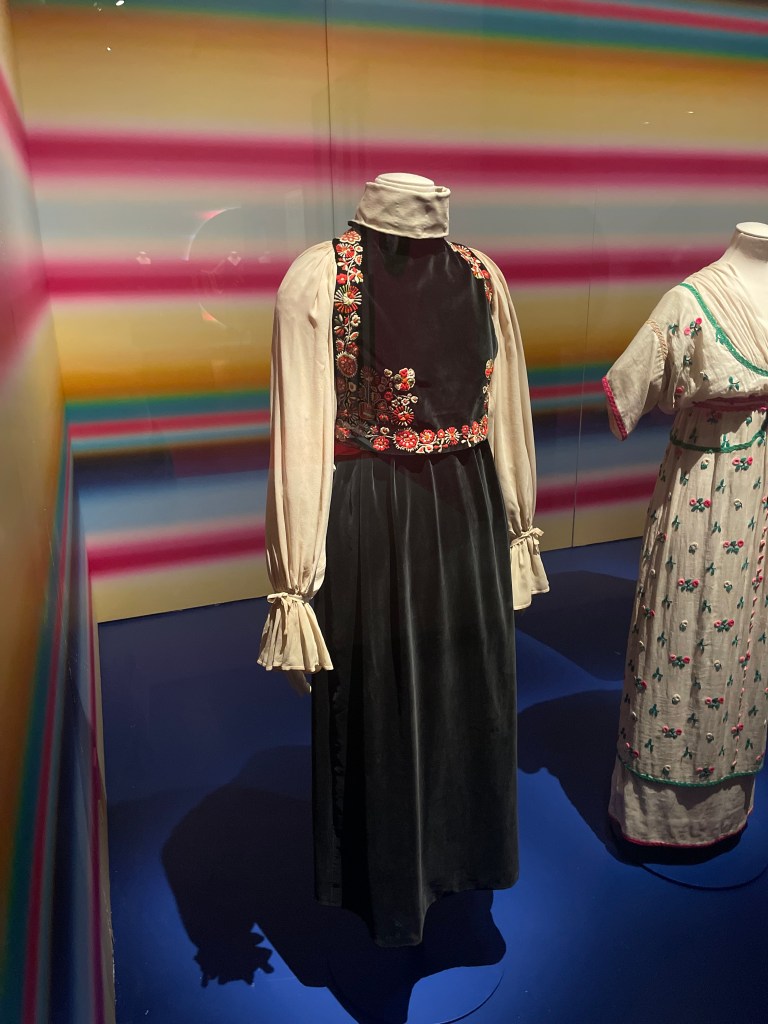
Um die internationale Verbreitung seiner Kreationen zu fördern, unternahm Paul Poiret im Winter 1911–1912 mit seiner Frau und neun Models in einheitlicher Kleidung eine ausgedehnte Autoreise durch europäische Hauptstädte. Trotz schwieriger Grenzübertritte führte seine Route von Frankfurt über Berlin, Potsdam, Warschau, Moskau, Sankt Petersburg, Krakau, Bukarest, Budapest bis nach Wien. An jedem Halt organisierte er Modeschauen, die sowohl gesellschaftliche Ereignisse als auch clevere Werbemaßnahmen waren.
Diese Geschäftsreisen boten ihm zudem die Gelegenheit, Künstler zu treffen, Museen zu besuchen und Textilien sowie Stickereien einzukaufen. Für den Transport seiner Modelle und Kleider nutzte er edle Koffer von Louis Vuitton, die in der Ausstellung ebenfalls zu sehen sind – ein Hinweis darauf, wie sehr Poiret schon damals auf Qualität, Luxus und internationale Strahlkraft setzte.
1913 war er der erste französische Couturier, der in die USA reiste, wo er große Bekanntheit erlangte. Seine Reisen durch das Land fanden breite Berichterstattung in der amerikanischen Presse, die ihm den begehrten Titel „King of Fashion“ verlieh.
1919

1912
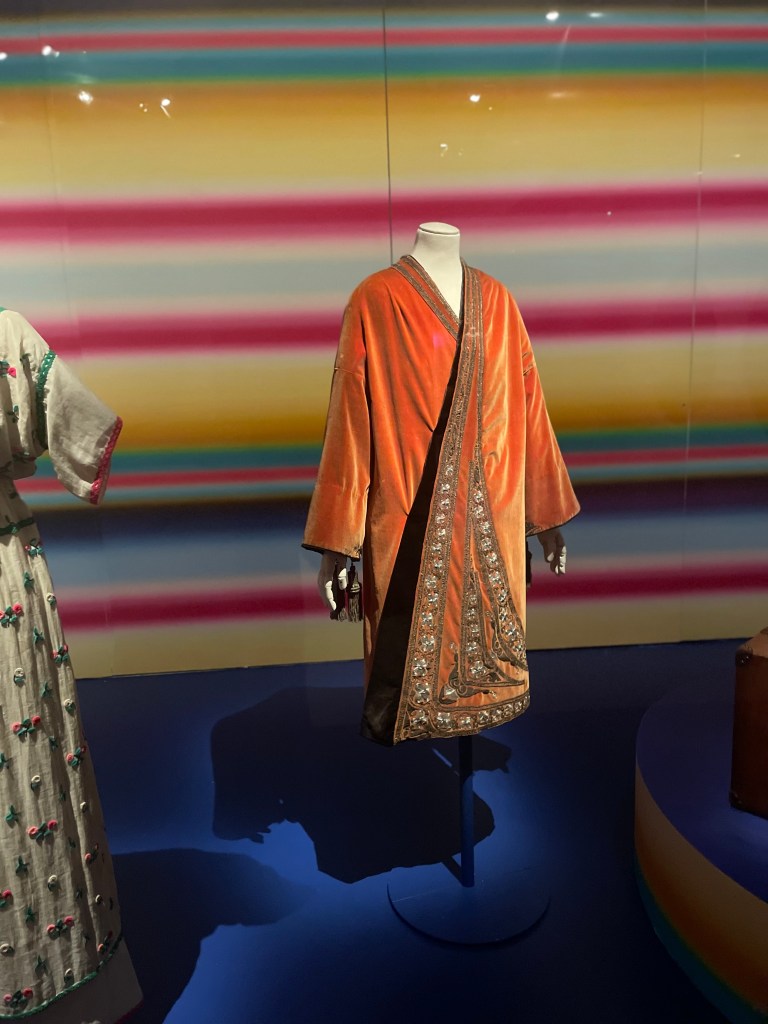
1919
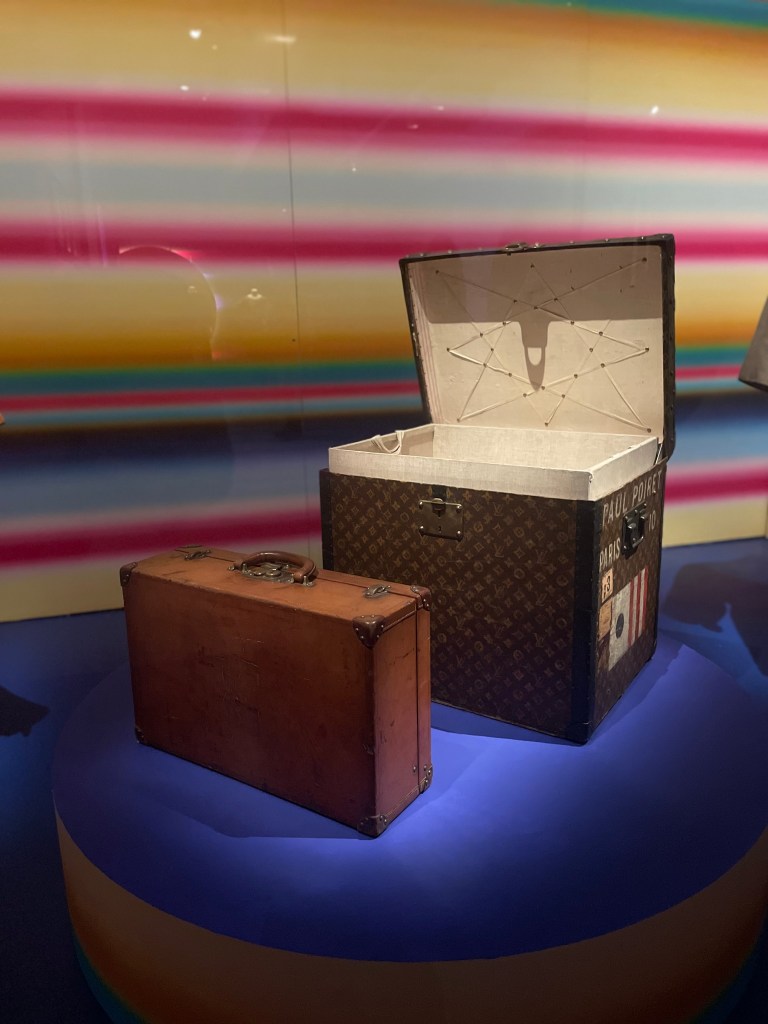
1923 & 1911
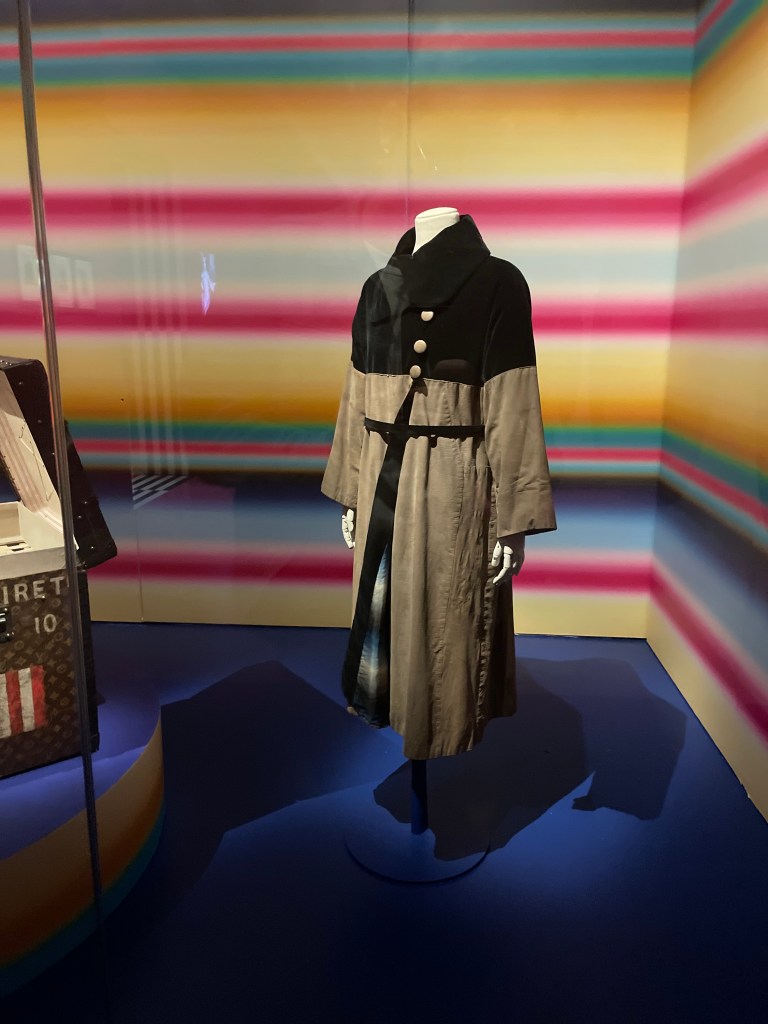
1923
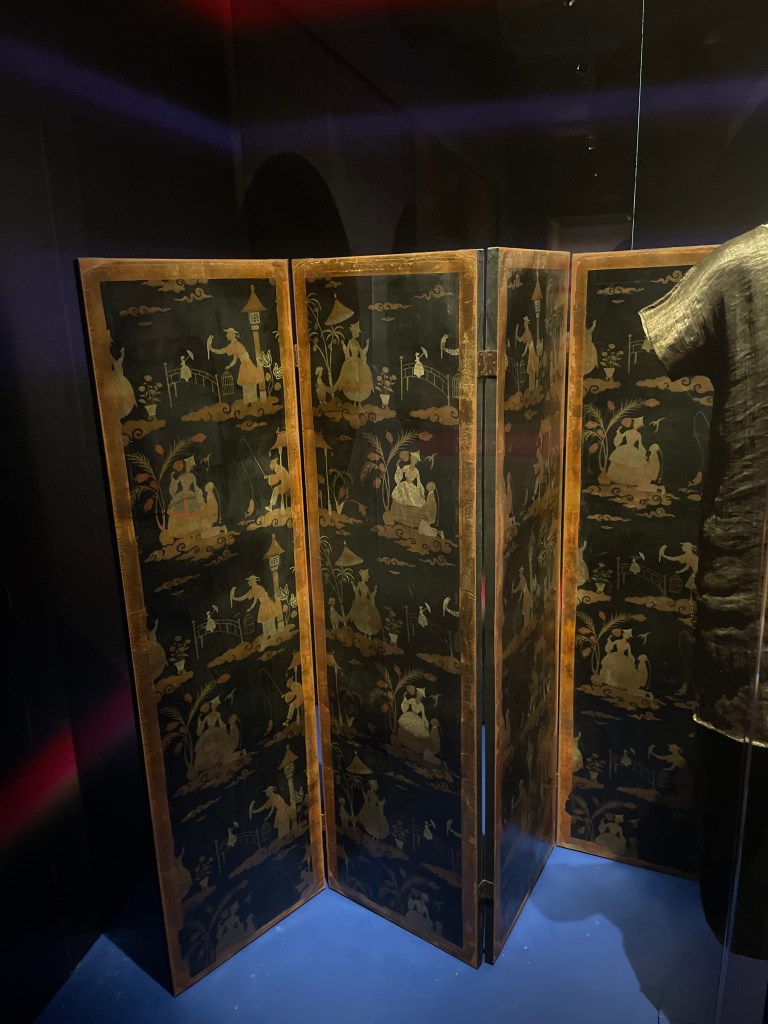
1911 – 1912

1923
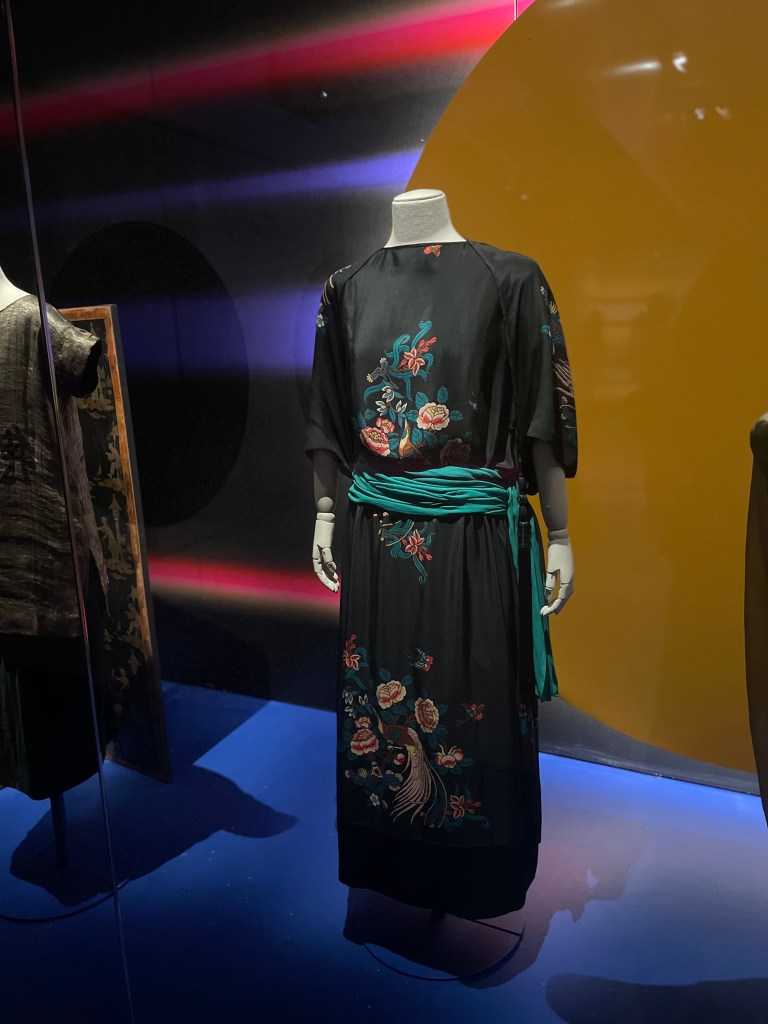
1922
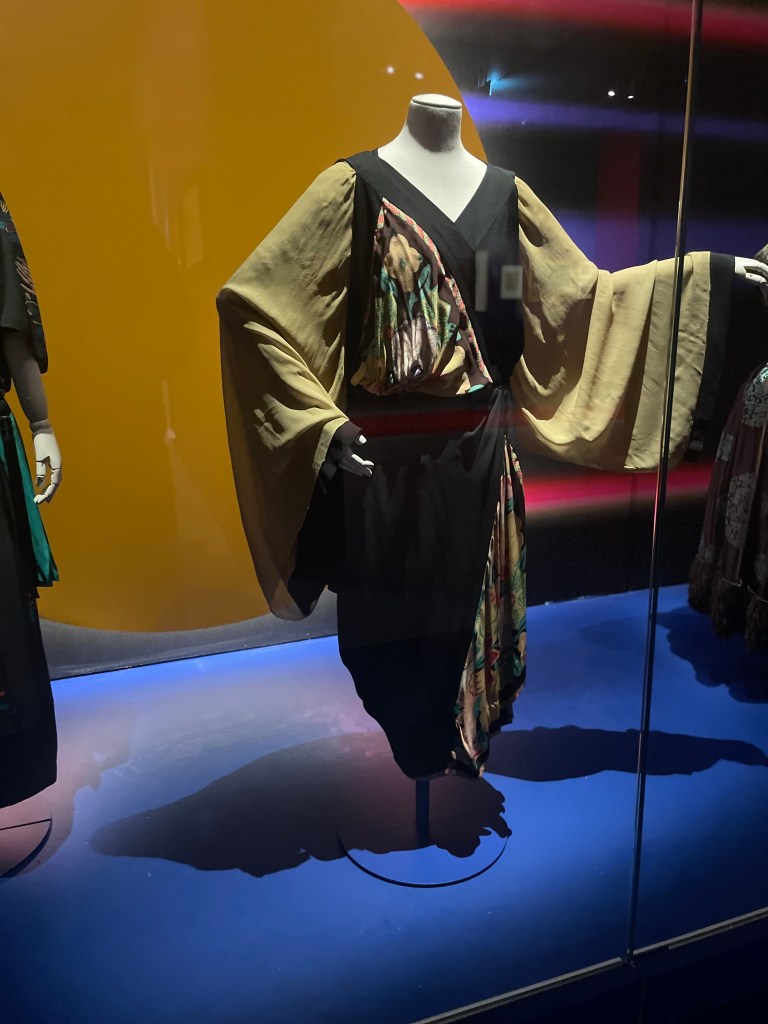
1922
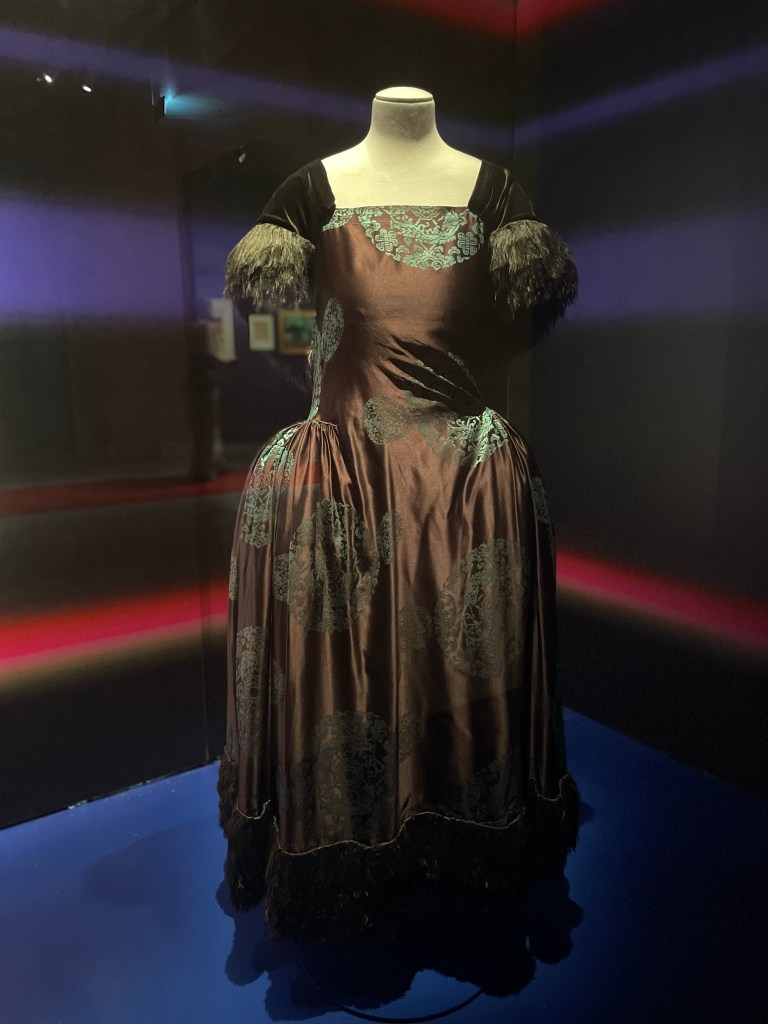
1922
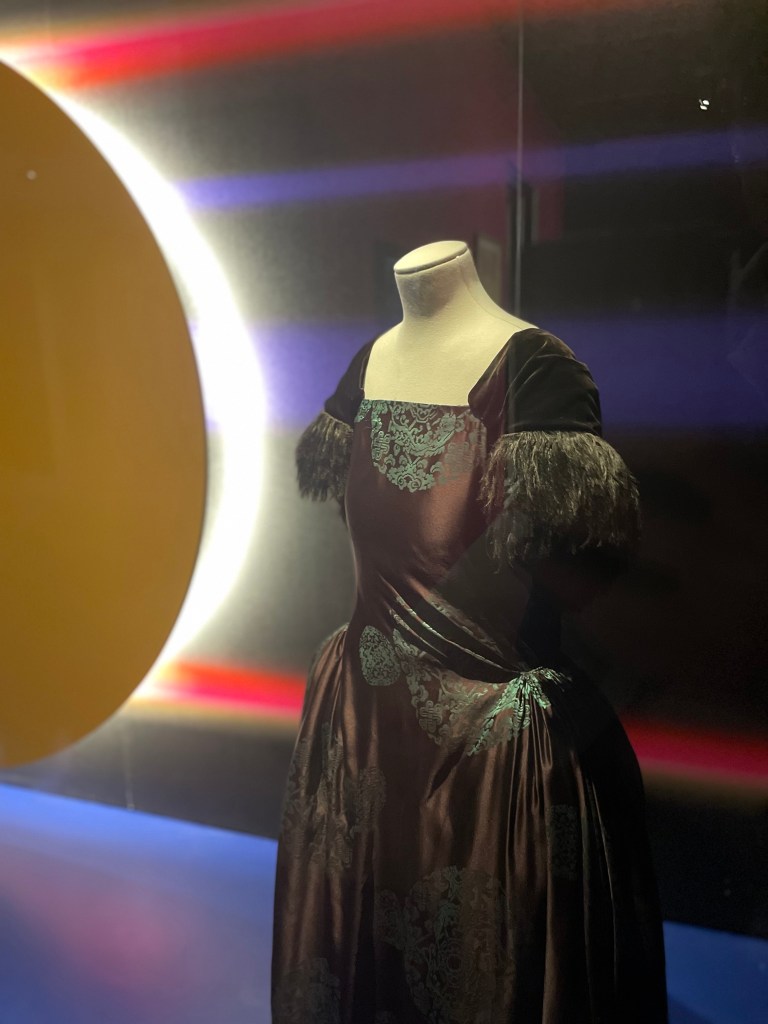
1922
- ENRICHING THE MIND THROUGH TRAVEL
Neben seinen Geschäftsreisen liebte Paul Poiret es, neue Horizonte zu entdecken. 1910 unternahm er eine Mittelmeerreise mit Künstlerfreunden und erkundete begeistert Italien, Marokko, Tunesien, Algerien und Spanien. Diese Reisen förderten seine Suche nach Authentizität und sein Verständnis anderer Kulturen. Er betrachtete sie als Forschungsmissionen zugunsten der Mode, um Schnitte und Farben zu erneuern.
Dabei studierte er eine Vielzahl von Turbans, Hosen à la Harem und Stickereien, die er nach seiner eigenen Vision neu interpretierte. Die von Poiret entworfenen Anpassungen wurden so zu reinen Modeobjekten, die durch eine traumhafte Qualität veredelt wurden.
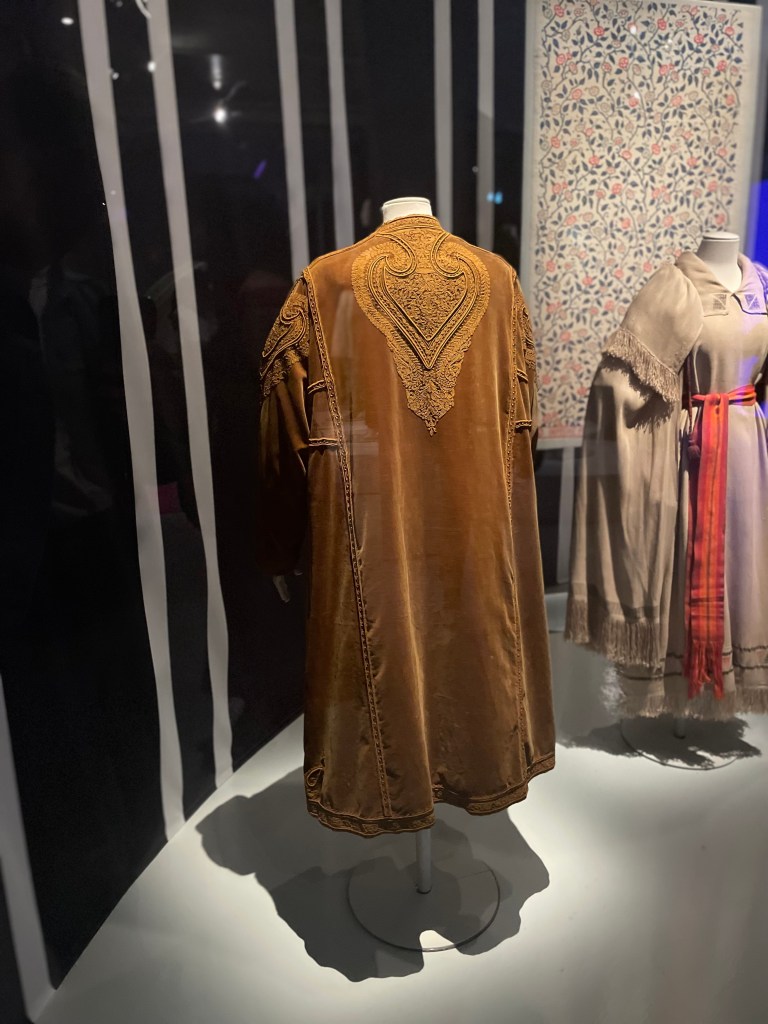
1907
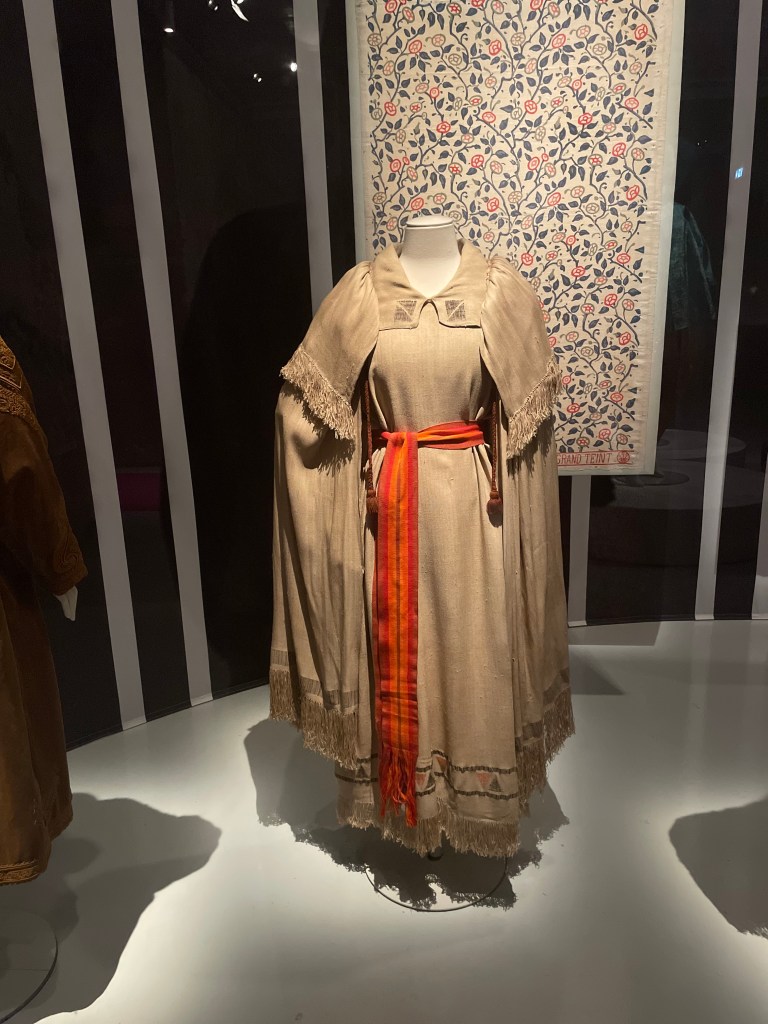
1919
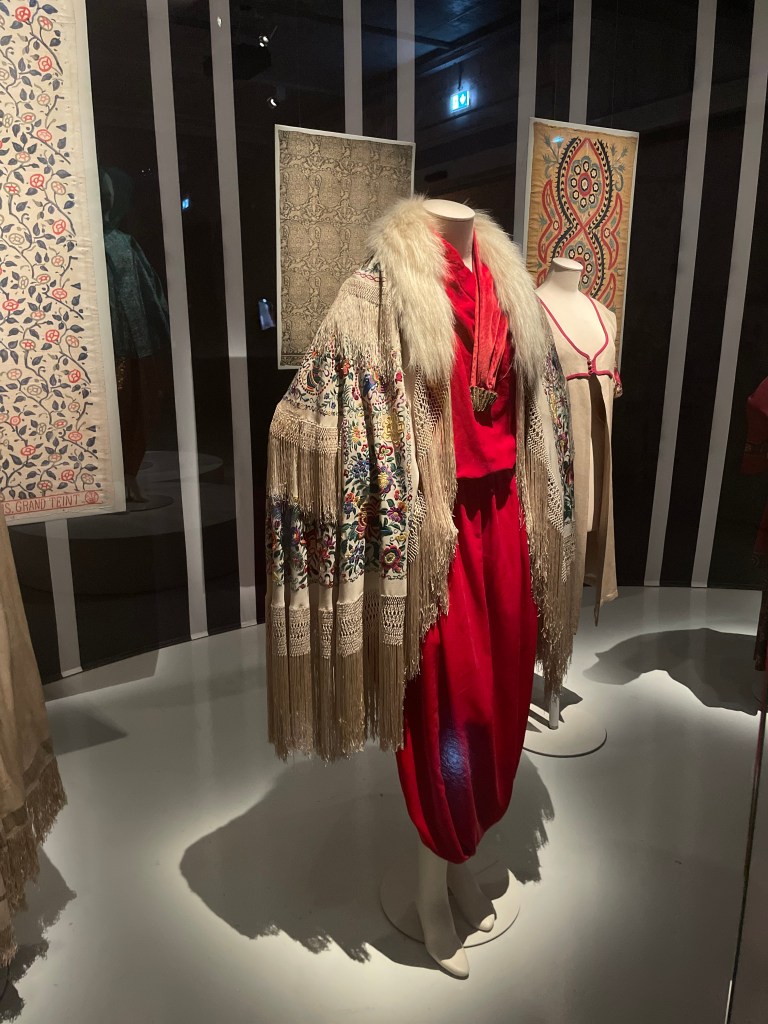
1911

1907

1920
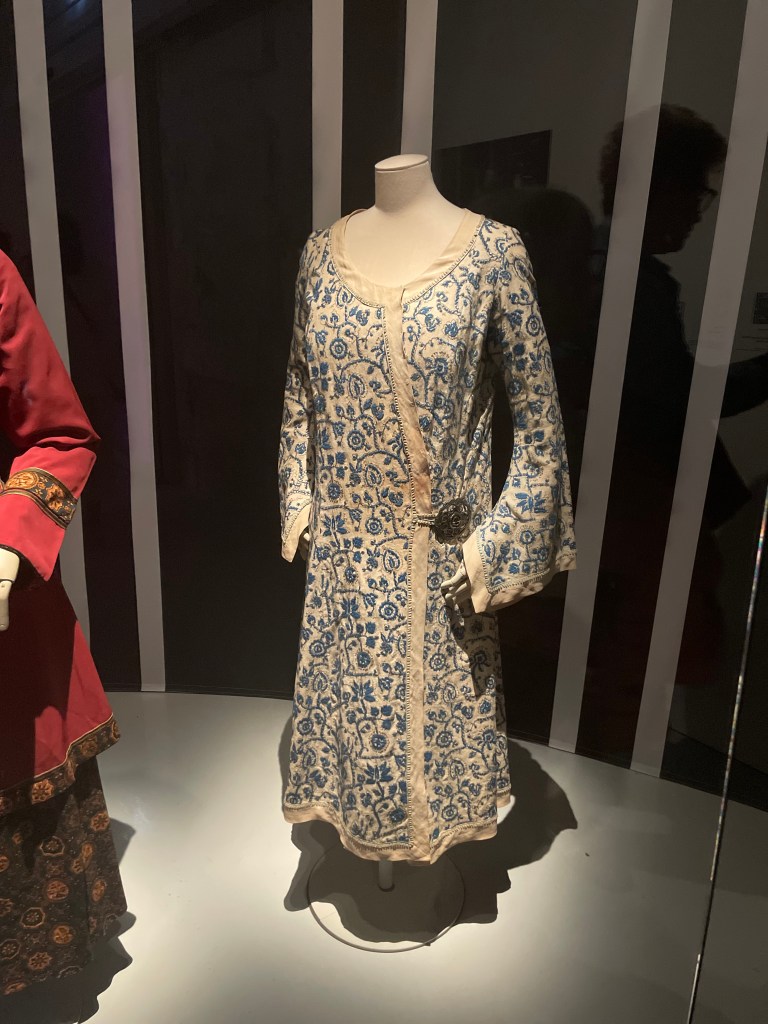
1924
- ORGANIZER OF PARTIES AND SHOWS
Die Aufführung von Scheherazade durch die Ballets Russes im Jahr 1910, angelehnt an Tausendundeine Nacht, brachte persisch inspirierte Mode nach Paris. Begeistert von diesem Erfolg veranstaltete Paul Poiret am 24. Juni 1911 in seinem Haus eine prächtige Party, die er „Tausendzweite Nacht“ nannte. Er selbst übernahm die Rolle des Sultans, umgeben von seinem Harem und seiner Geliebten, gespielt von Denise Poiret.
Rund 300 kostümierte Gäste versammelten sich in einem von Poiret vollständig gestalteten magischen Ambiente. Als wahrer Anziehungspunkt zog er seine Künstlerfreunde hinzu, um Einladungen, Programme und außergewöhnliche Unterhaltung zu gestalten. Dieses denkwürdige Ereignis verschaffte seinem Modehaus große Aufmerksamkeit und machte Poiret weithin bekannt.
Im folgenden Jahr organisierte er Les Festes de Bacchus im Pavillon du Butard. 1919 richtete er in seinem Pariser Garten ein Freilufttheater, L’Oasis, ein.
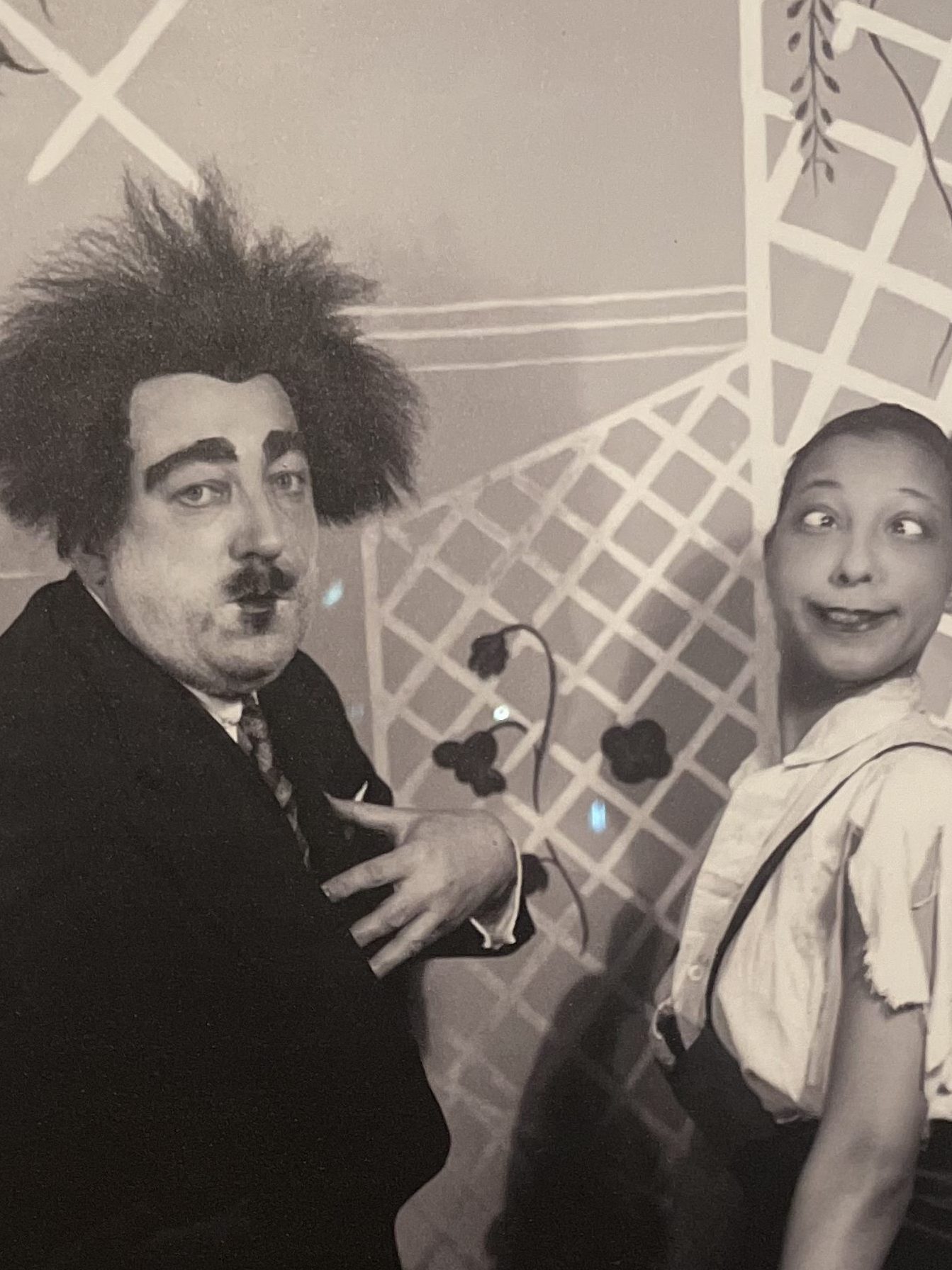
Paul Poiret & Joséphine Baker
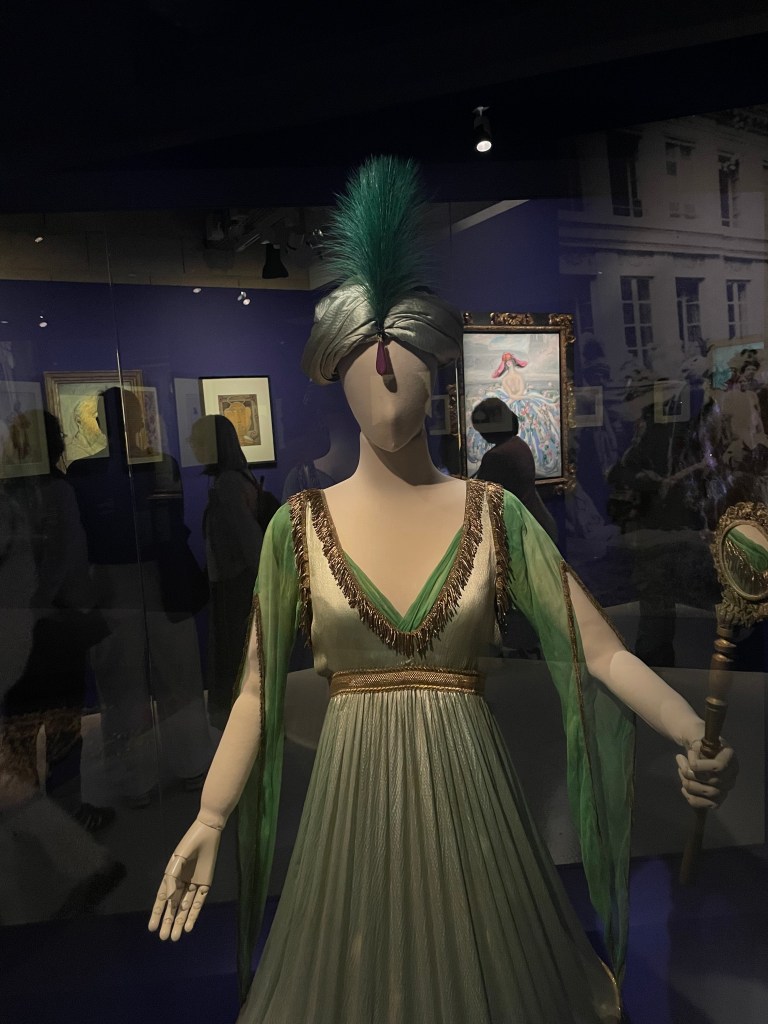
1911
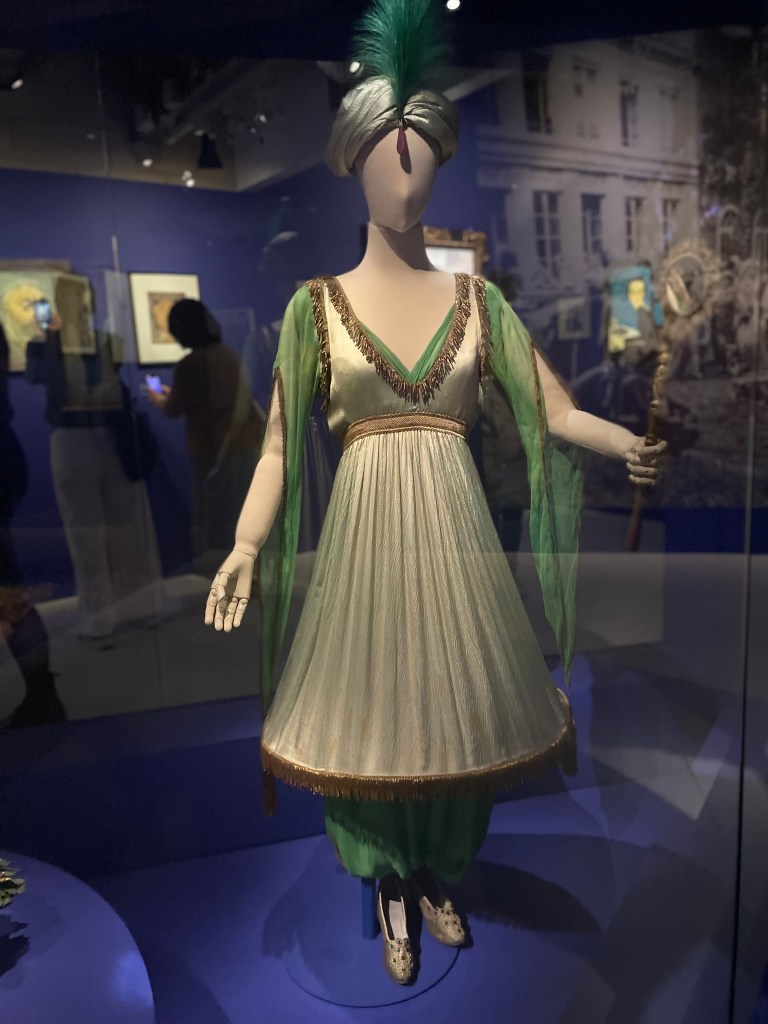
1911

1912

1912
- FAMILY PORTRAIT
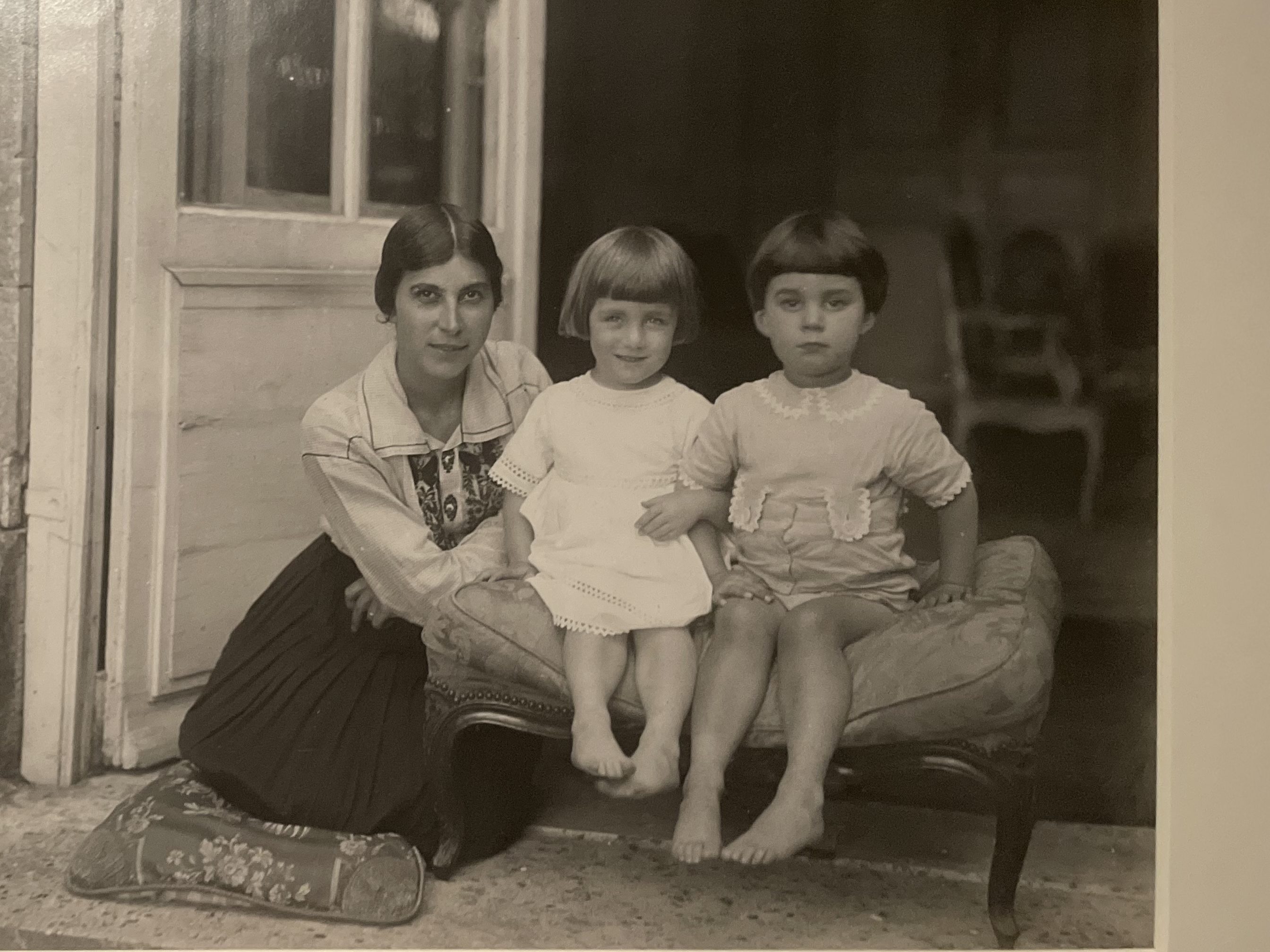
Paul Poiret war der einzige Junge unter fünf Geschwistern, von denen eines 1883 starb. Seine Schwestern waren allesamt sehr kreativ: Jeanne Boivin, Germaine Bongard und die bekannteste, Nicole Groult. Nicole Groult war eine erfolgreiche Schneiderin und heiratete den Dekorateur André Groult, mit dem sie zwei Töchter, Benoîte und Flora, hatte. Außerdem pflegte sie eine romantische Beziehung mit der Malerin Marie Laurencin, die sie gemeinsam porträtierte.
1905 heiratete Poiret Denise, die er als sein weibliches Ideal betrachtete, wie er 1913 in einem Interview mit Vogue erklärte. Zwischen 1906 und 1916 bekamen sie fünf Kinder: Rosine, Martine, Colin, Gaspard und Perrine. Poiret gliederte sein Unternehmen in drei Abteilungen: Parfums de Rosine, Atelier Martine und Packaging Atelier of Colin.
1928 trennten sich Paul und Denise: Sie nahm wieder ihren Mädchennamen Boulet an, verließ ihren Mann und nahm ihren gesamten Kleiderschrank mit. Für Poiret bedeutete dies den Verlust seiner Frau, Mitarbeiterin, seines Modells und seiner Muse.

Kleid: 1920
Kopfschmuck: 1914
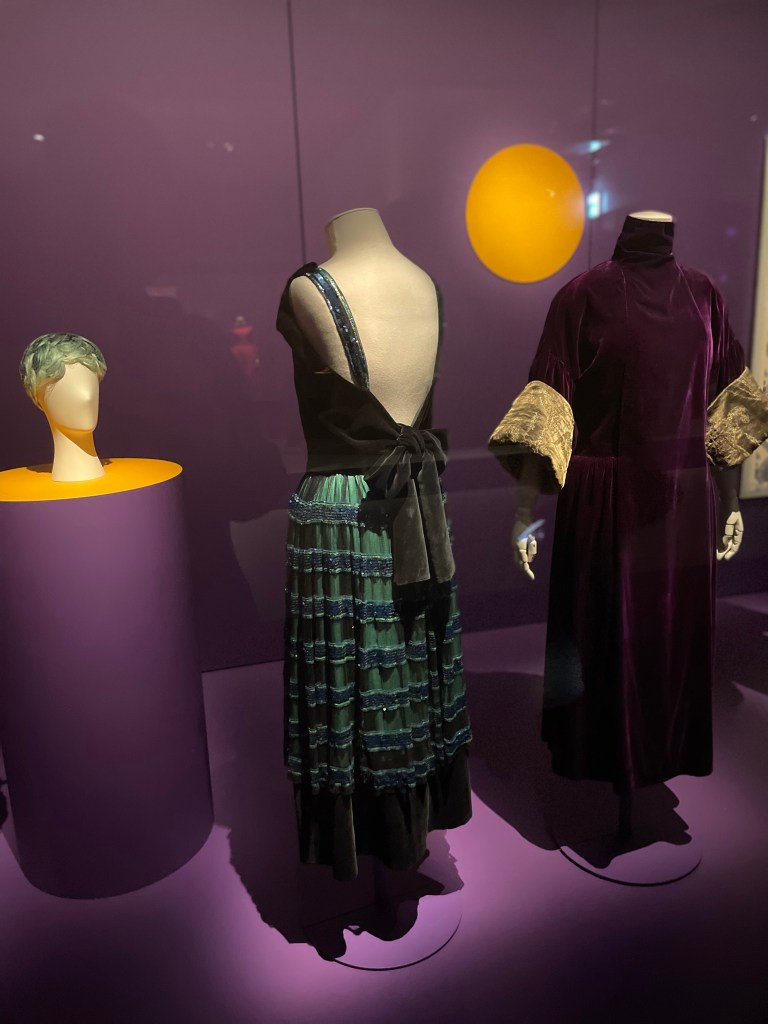
1919
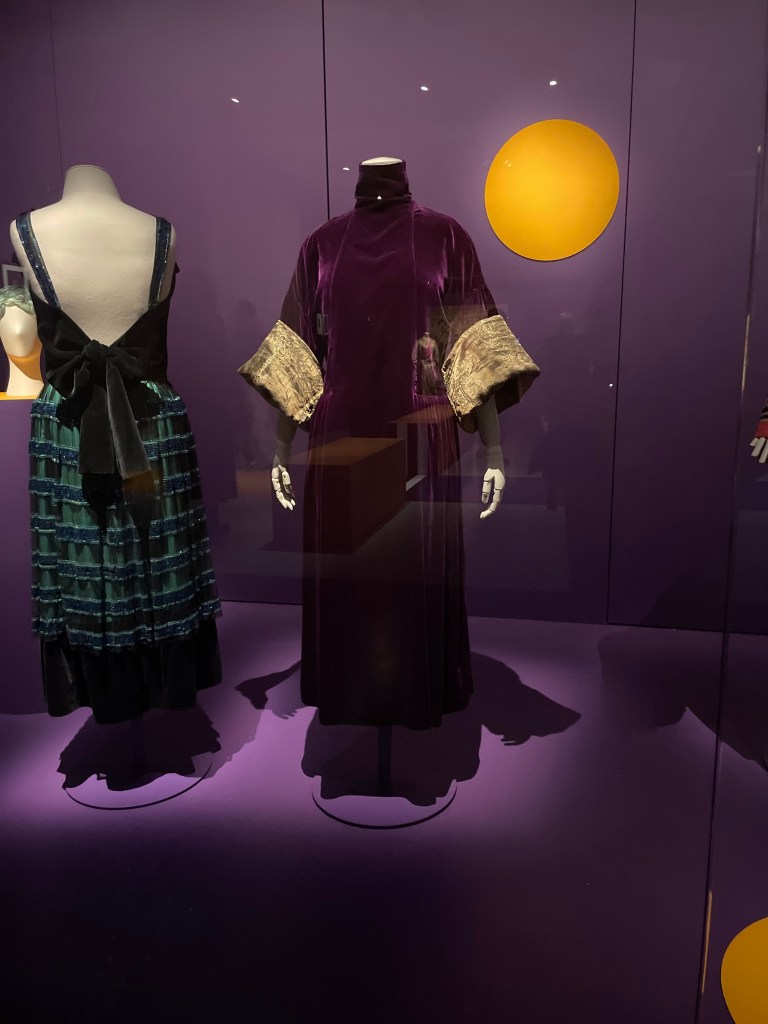
1919

1921
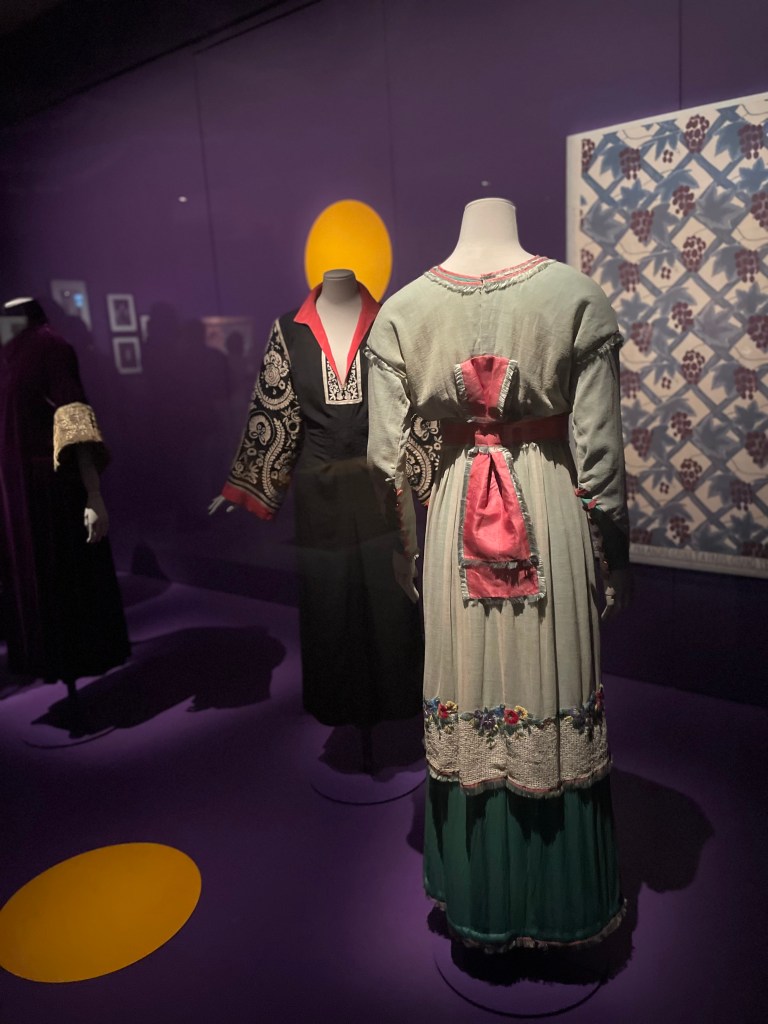
1912
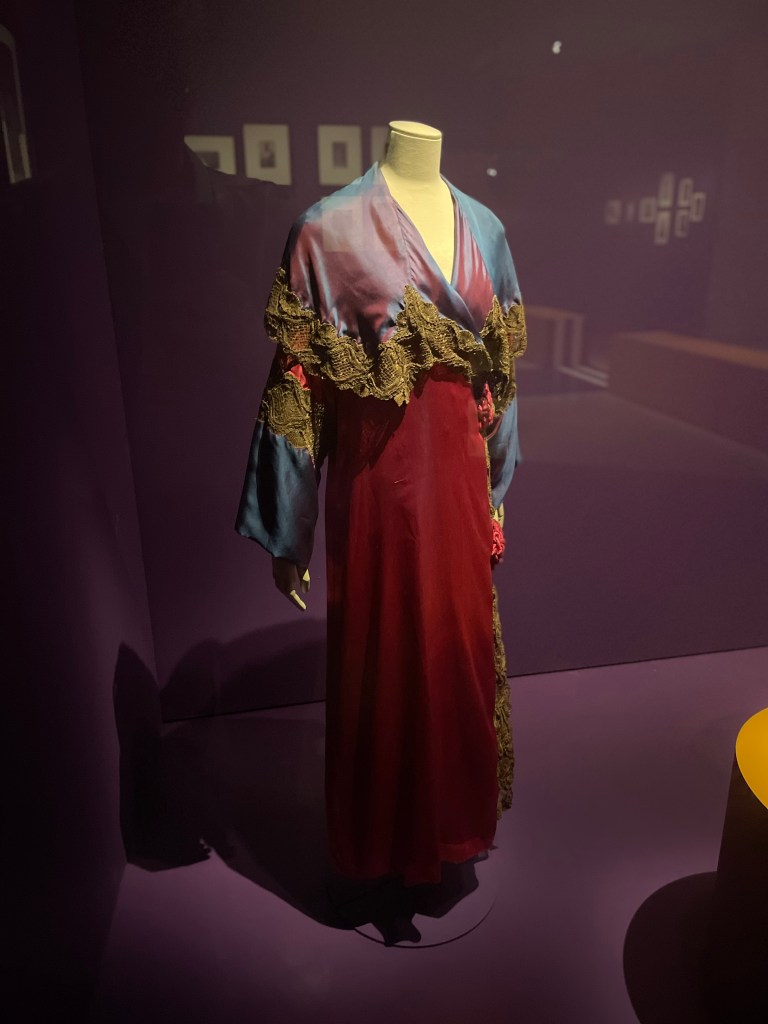
1910
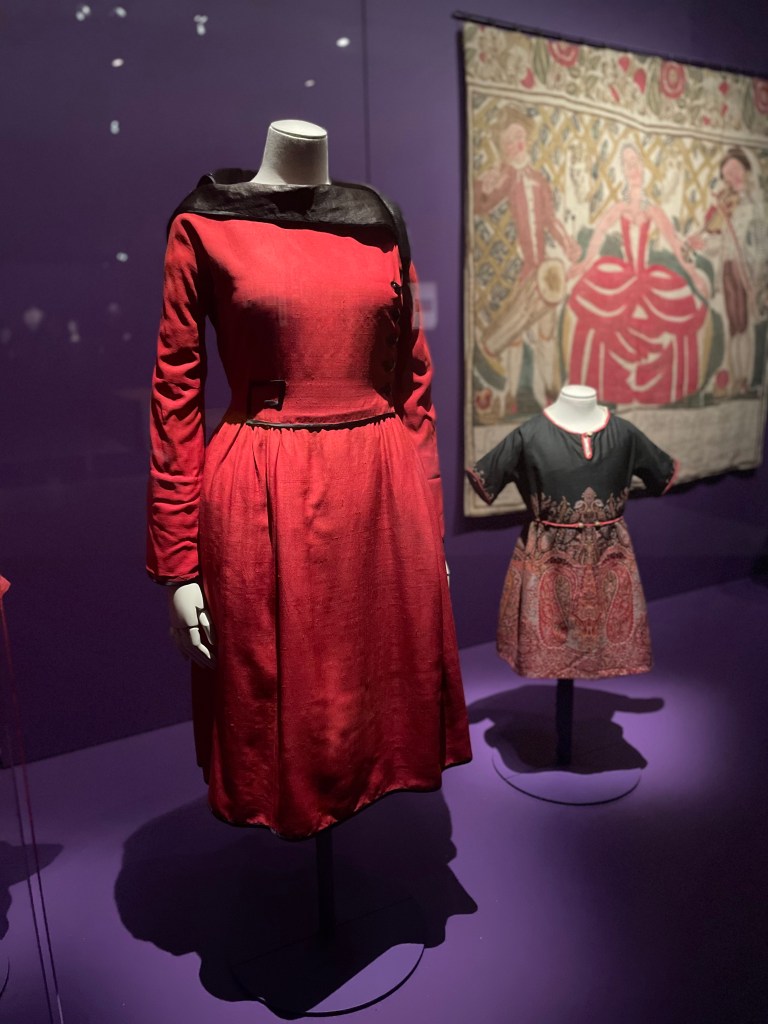
Kleid für Damen: 1920
Kleid für Kinder: 1912

Wandbehang: 1910
Mantel: 1920
- RENOVATING THE DECORATIVE ARTS
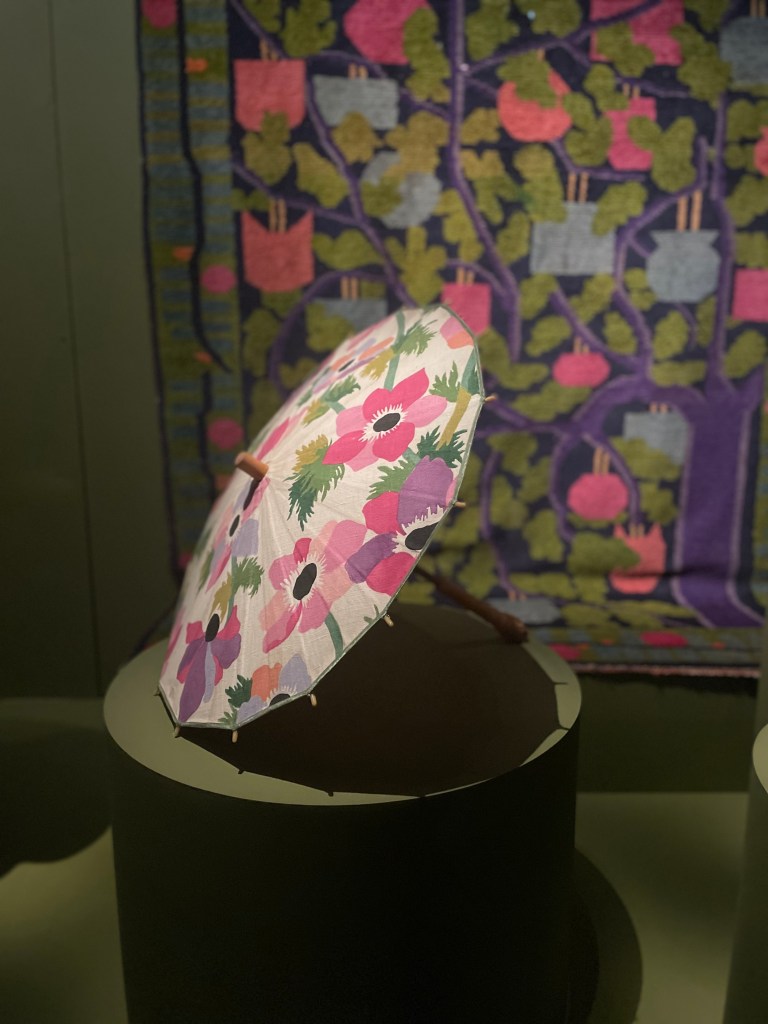
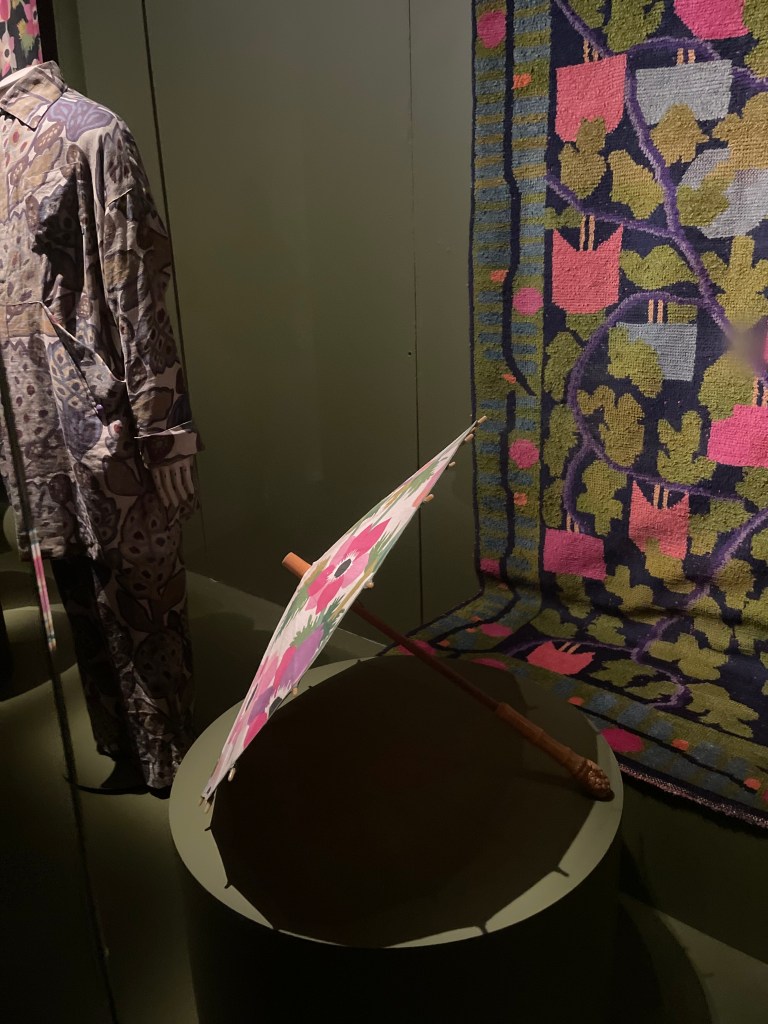
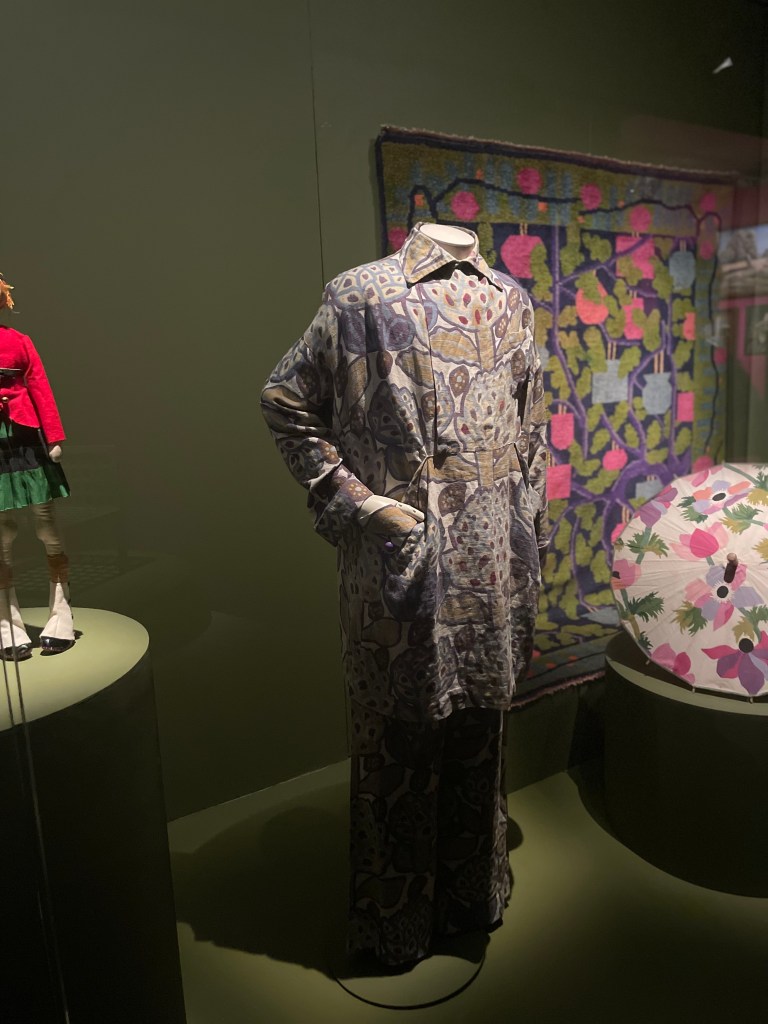
Auf seinen Reisen nach Wien, Berlin und Brüssel im Jahr 1910 interessierte sich Paul Poiret besonders für Innovationen im Innenraumdesign und in den dekorativen Künsten, vor allem für die Arbeiten der Wiener Werkstätte. Er träumte davon, eine „neue Mode der Möbelgestaltung“ zu schaffen.
Zurück in Paris entwickelte er eine innovative Unterrichtsmethode, die die Spontaneität des Zeichnens betonte. 1911 begann die Martine Schule für Dekorative Künste, benannt nach einer seiner Töchter, zwölfjährige Schüler aus bescheidenen Verhältnissen aufzunehmen. Die Schüler wurden von Marguerite Sérusier, Künstlerin und Ehefrau des Symbolisten Paul Sérusier, betreut.
Zu den Schülerinnen gehörten Agnès Jallat, Martiale Constantini und Gabrielle Drapier. Raoul Dufy unterrichtete Textildruck. Einige Werke wurden im Atelier Martine, das bis 1914 von Guy-Pierre Fauconnet geleitet wurde, produziert. Die Maison Martine verkaufte „modische Objekte“ wie Polsterstoffe, Teppiche, Paravents, Möbel, Tapeten und Puppen.

1912 – 1913
1912
1912
1912
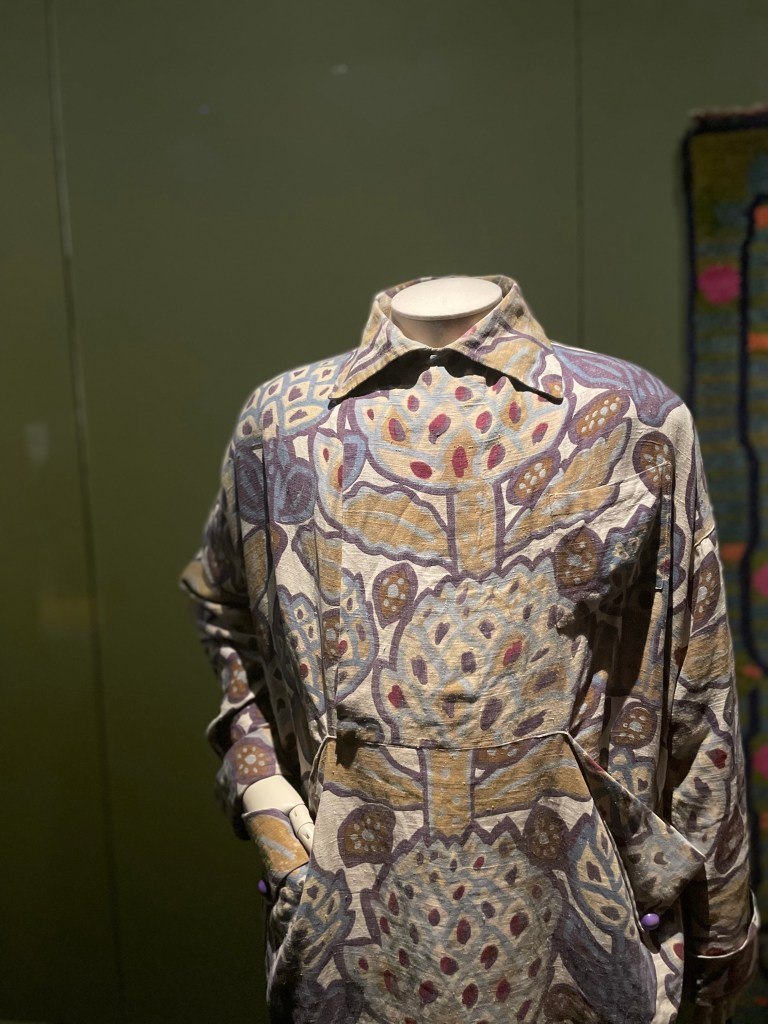
1912
- PAUL POIRET’S STYLISTIC LEGACY
In seinen Memoiren En Habillant l’époque (auf Englisch unter den Titeln King of Fashion und My First Fifty Years bekannt) reflektierte Paul Poiret über das Erbe seiner Kreationen: „Man hat gesagt, dass ich großen Einfluss auf die Epoche hatte und eine ganze Generation inspiriert habe.“
Elsa Schiaparelli, die ihn 1922 kennenlernte, verglich ihn mit Leonardo da Vinci, so sehr beeindruckte sie seine Vielfalt an Talenten. In den 1950er Jahren lobte Christian Dior Poiret als großen Innovator der Mode.
Nachfolgende Generationen von Couturiers und Designern haben Poiret oft auf subtile Weise geehrt, indem sie seine Themen aufgriffen oder gemeinsame Inspirationsquellen nutzten, ohne ihn direkt zu nennen. Die hier präsentierten Beispiele zeigen, auch wenn sie nicht vollständig sind, die Reichweite seines kreativen Erbes.
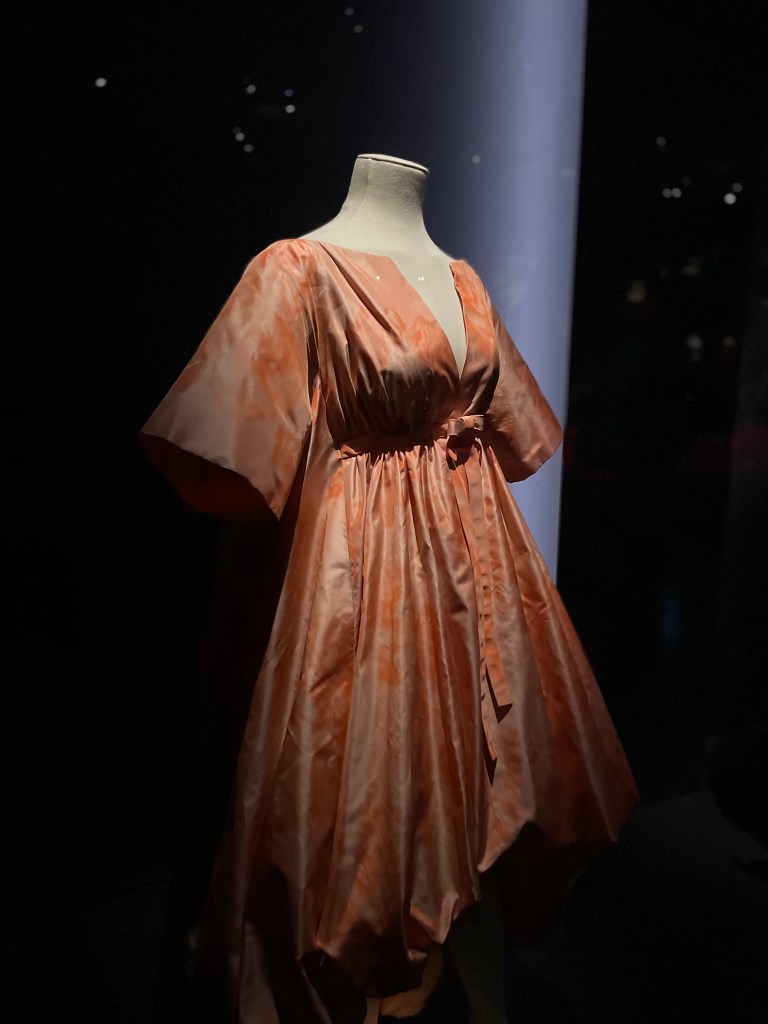
1960
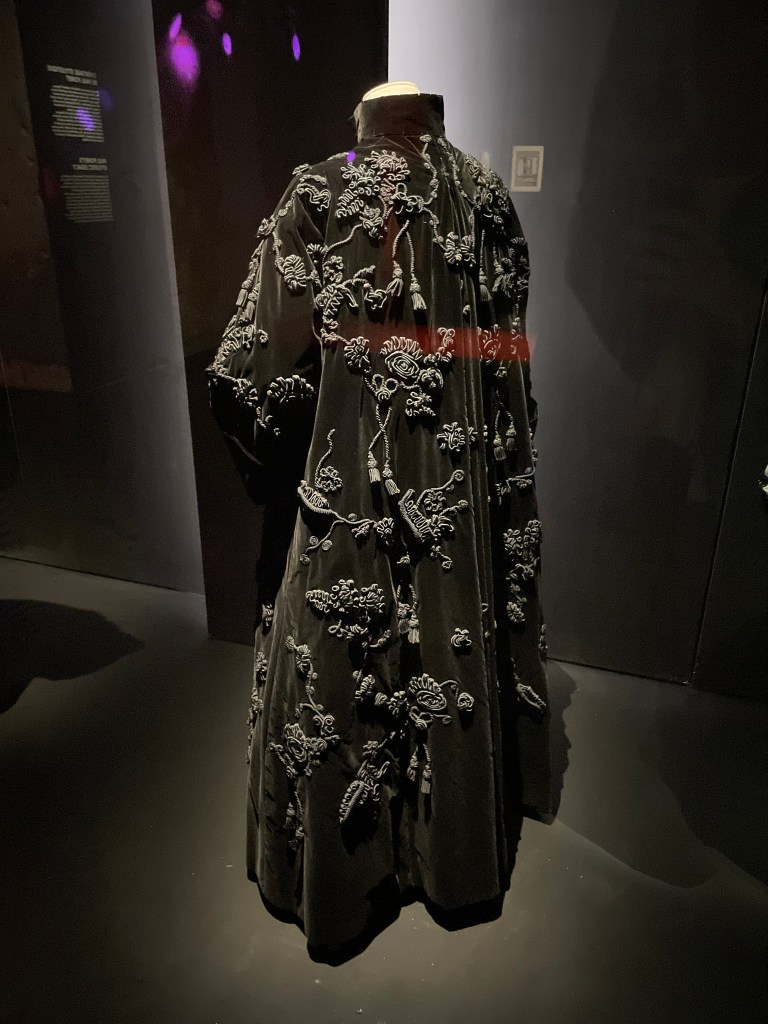
1948
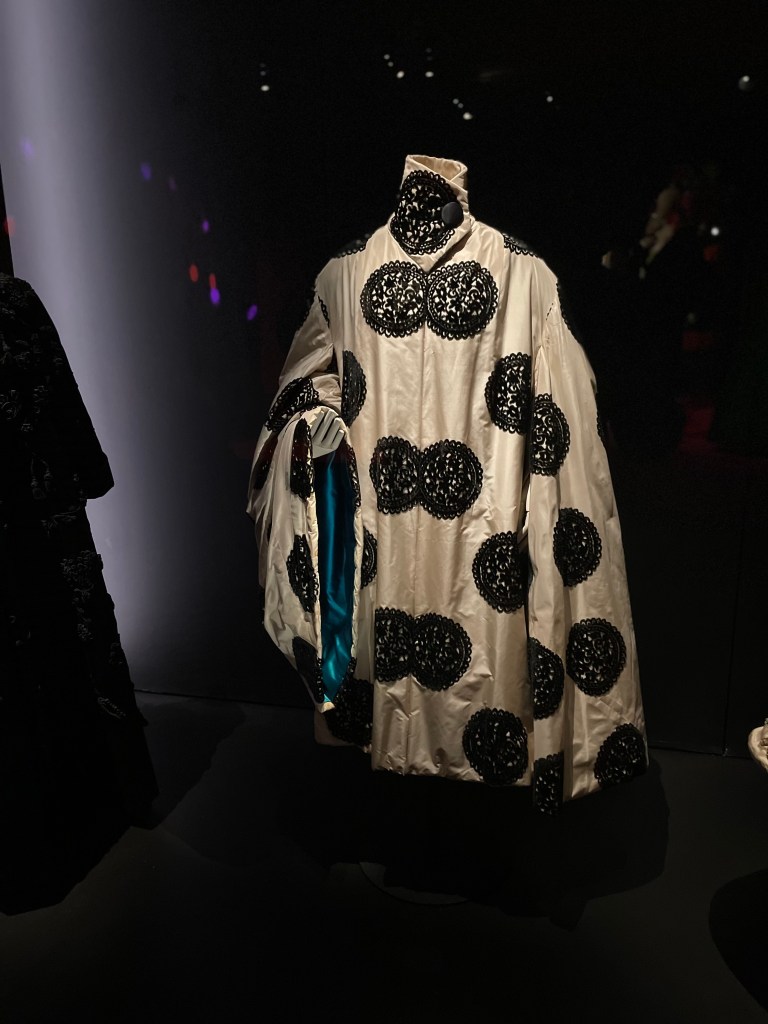
1952-1953
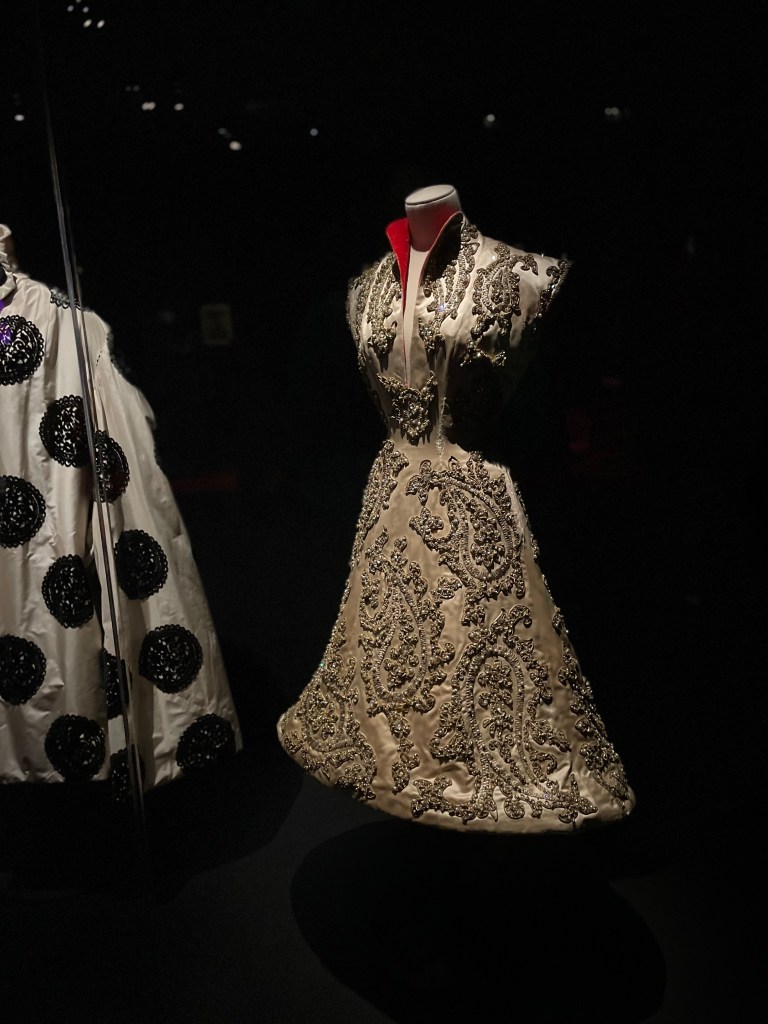
1950 -1951
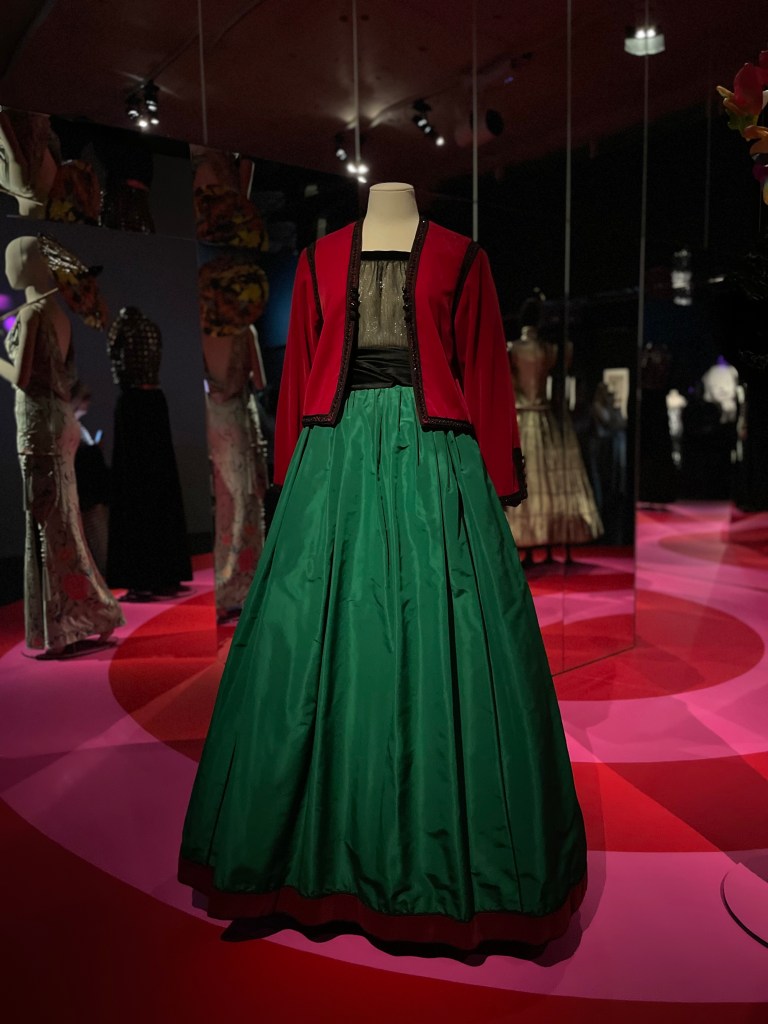
1976

2024

2024
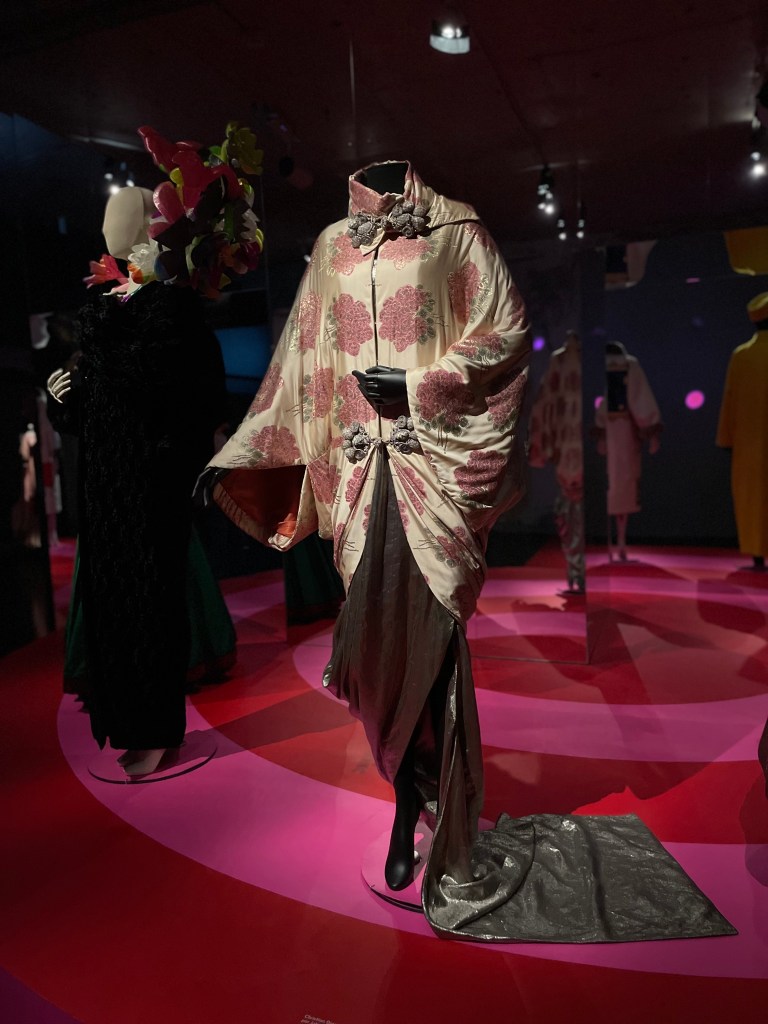
1998
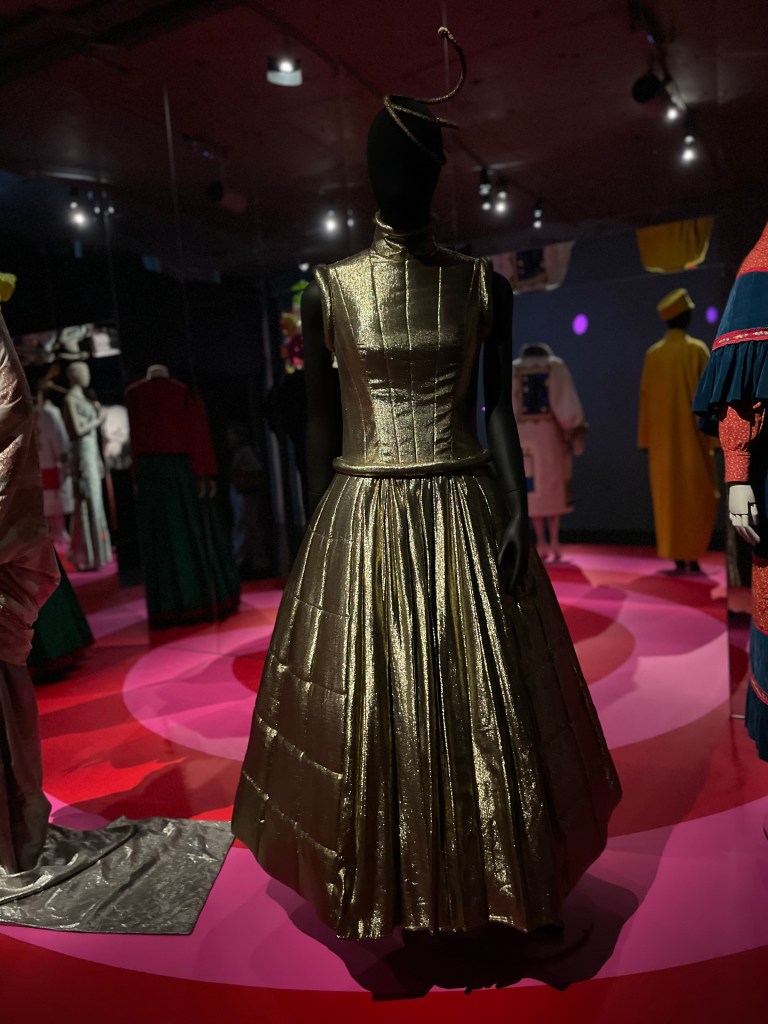
1980
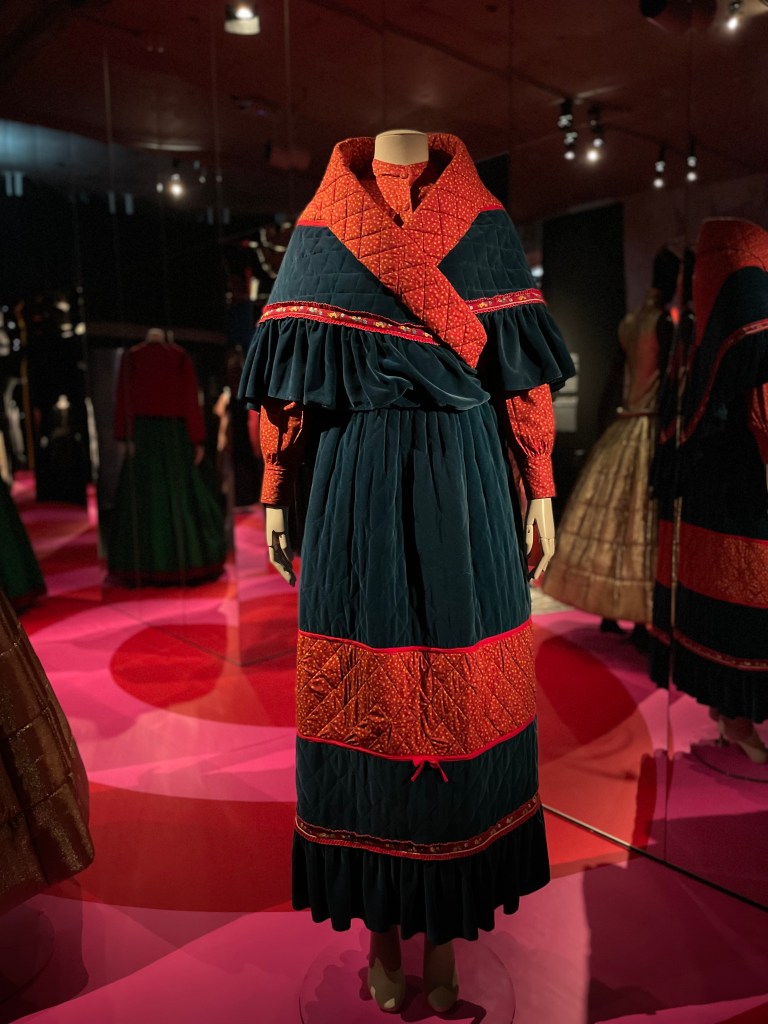
1970
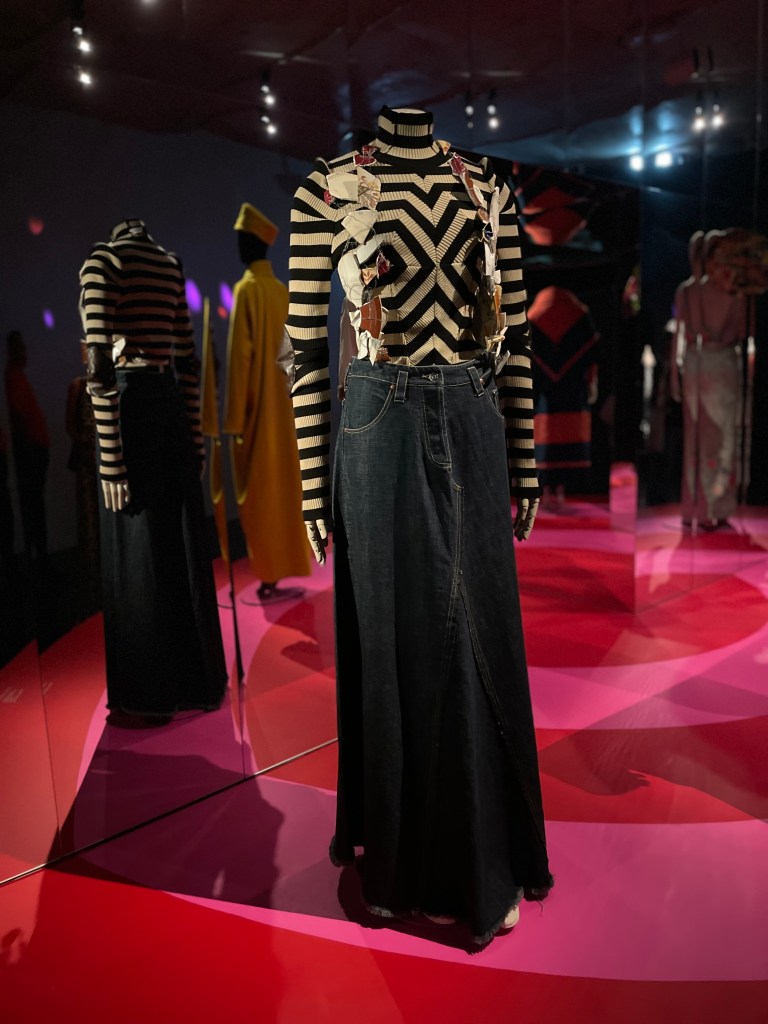
1989
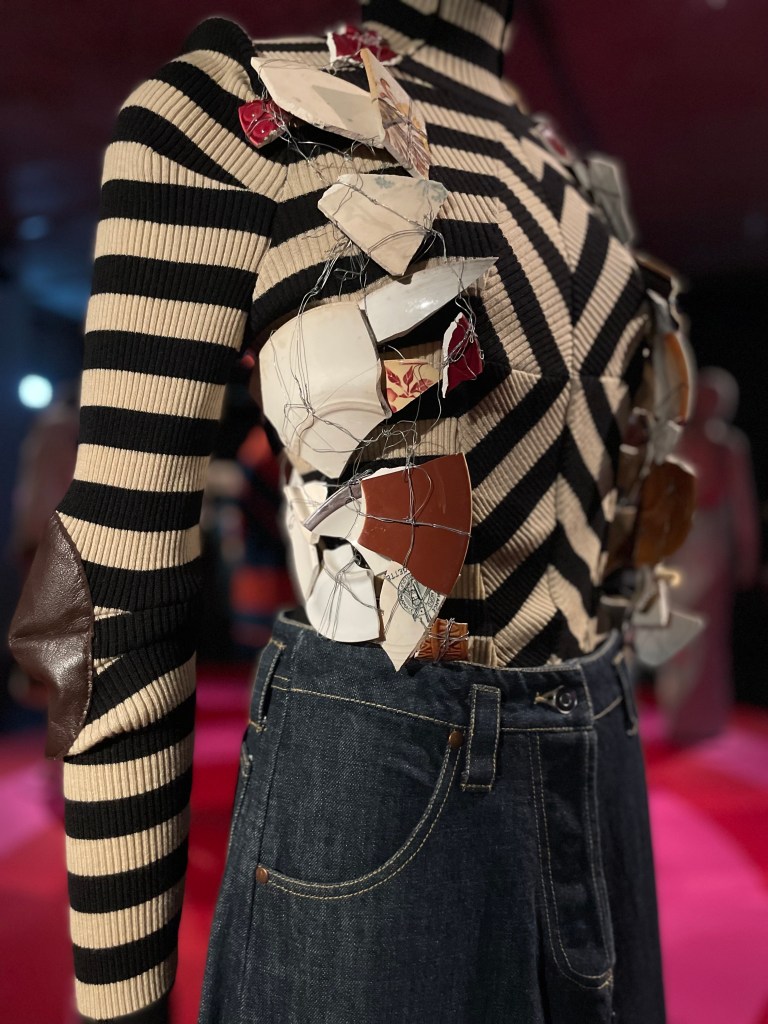
1989
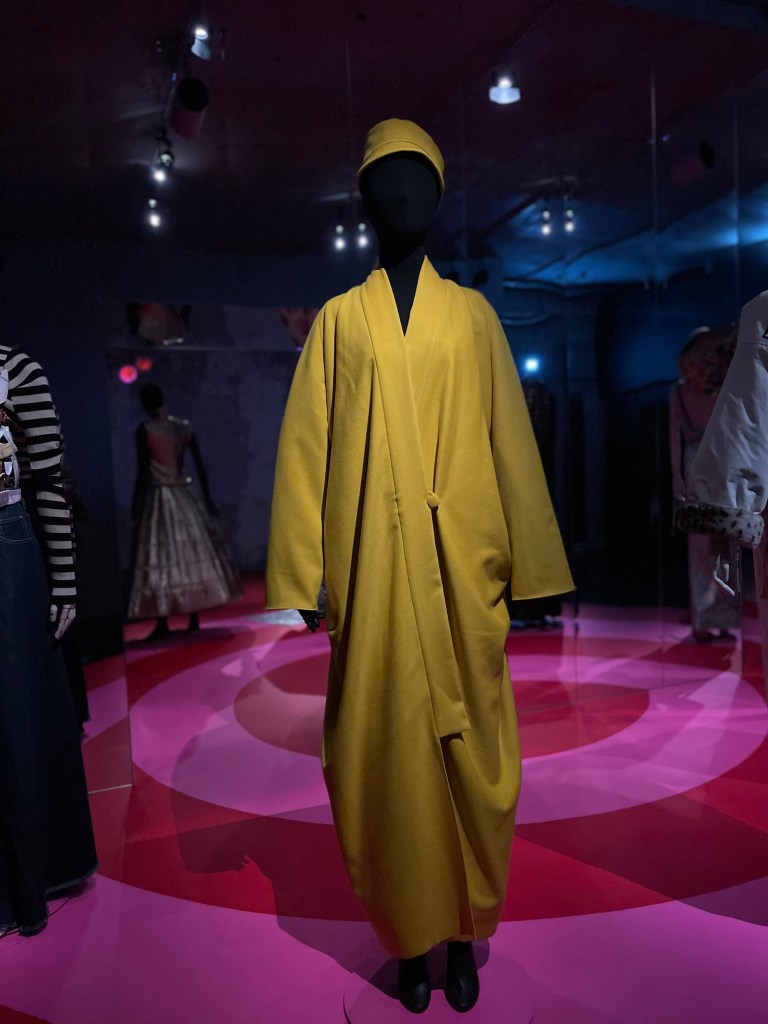
2005
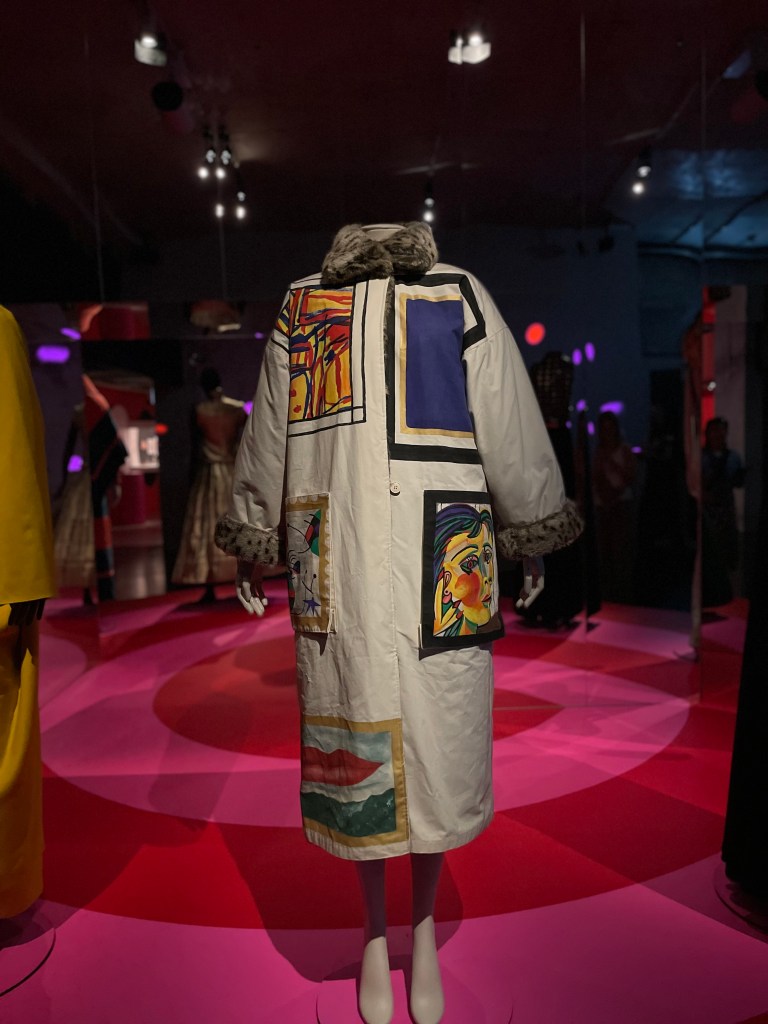
1988 – 1989
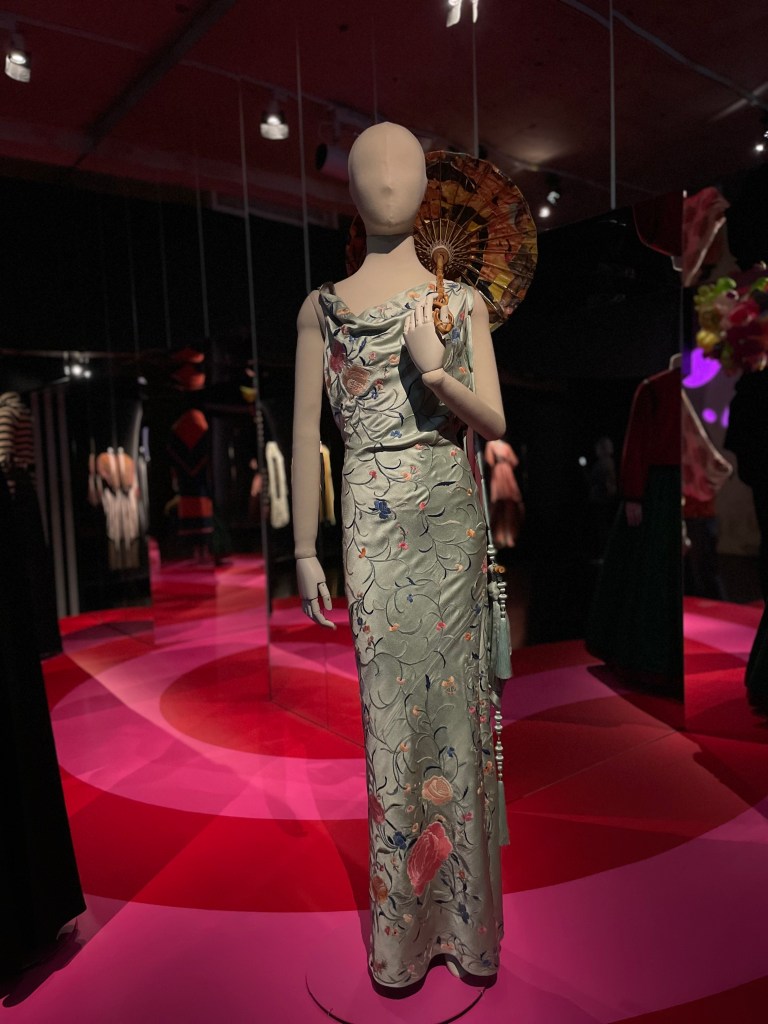
1997
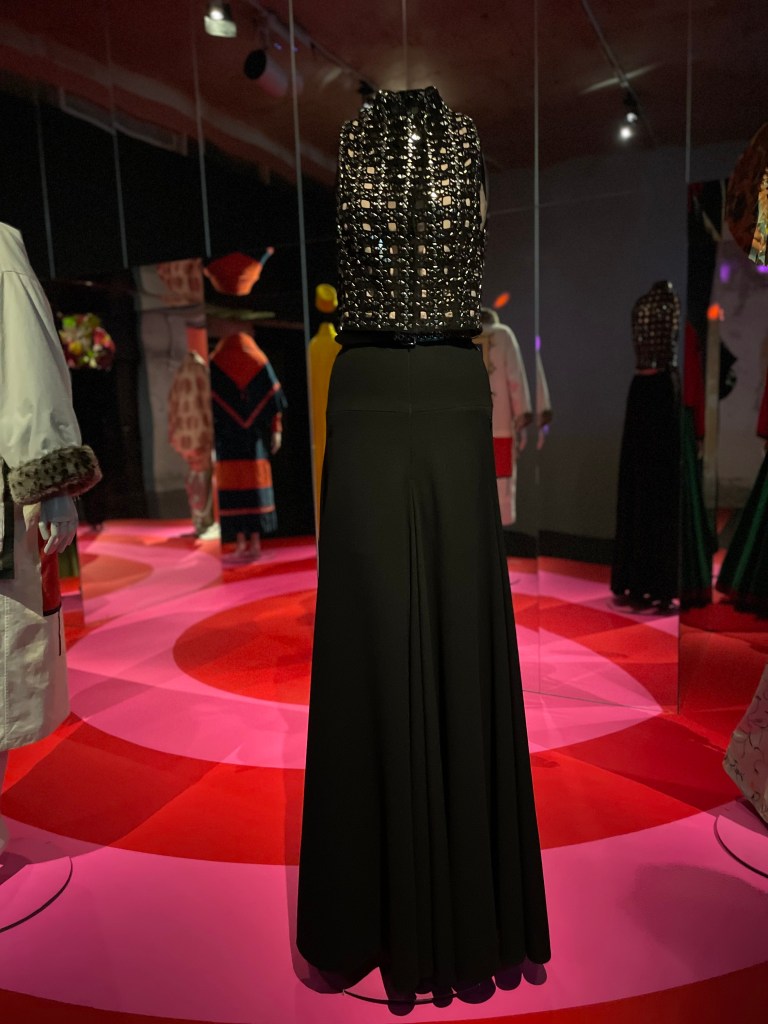
2016
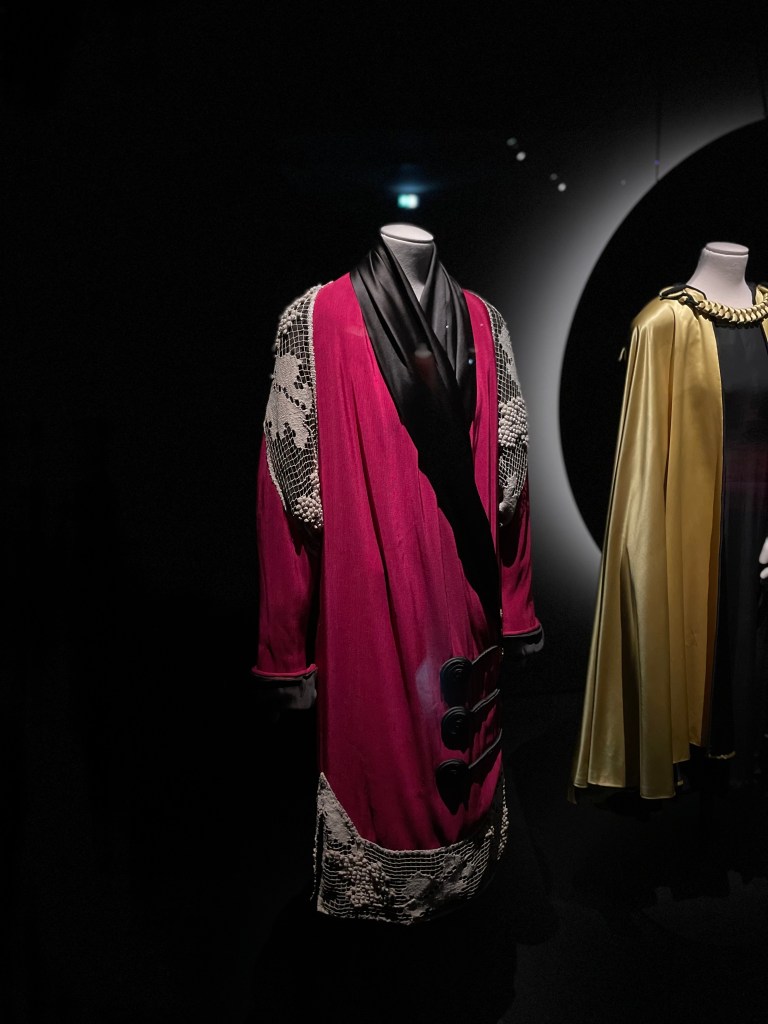
1914
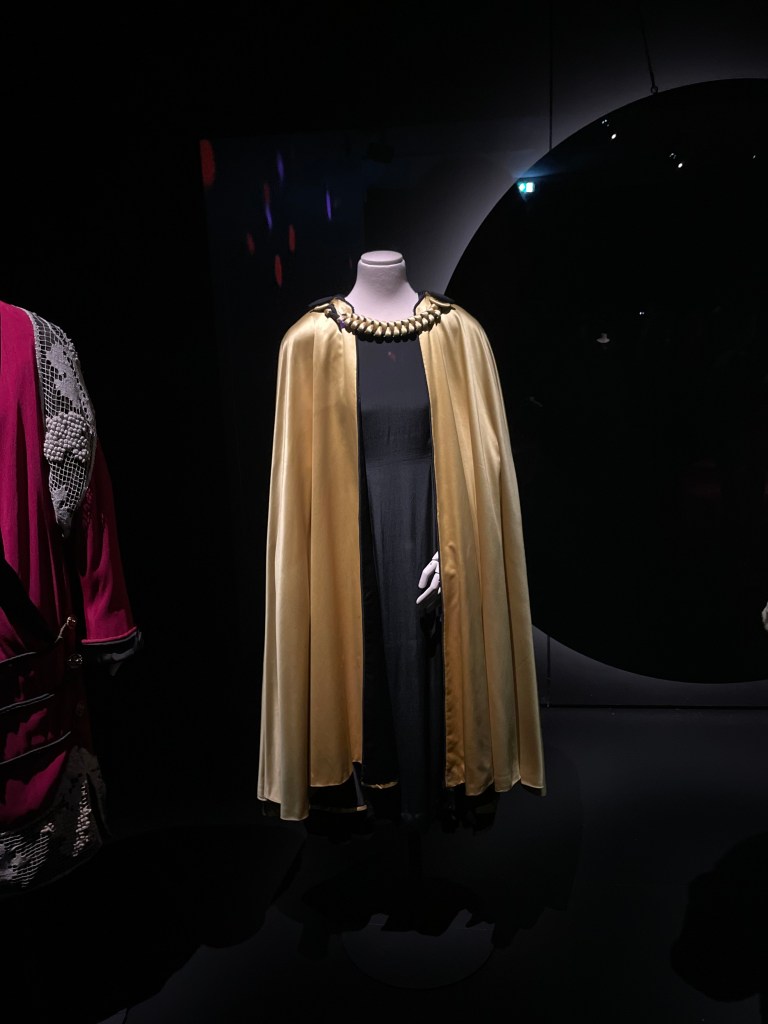
1928
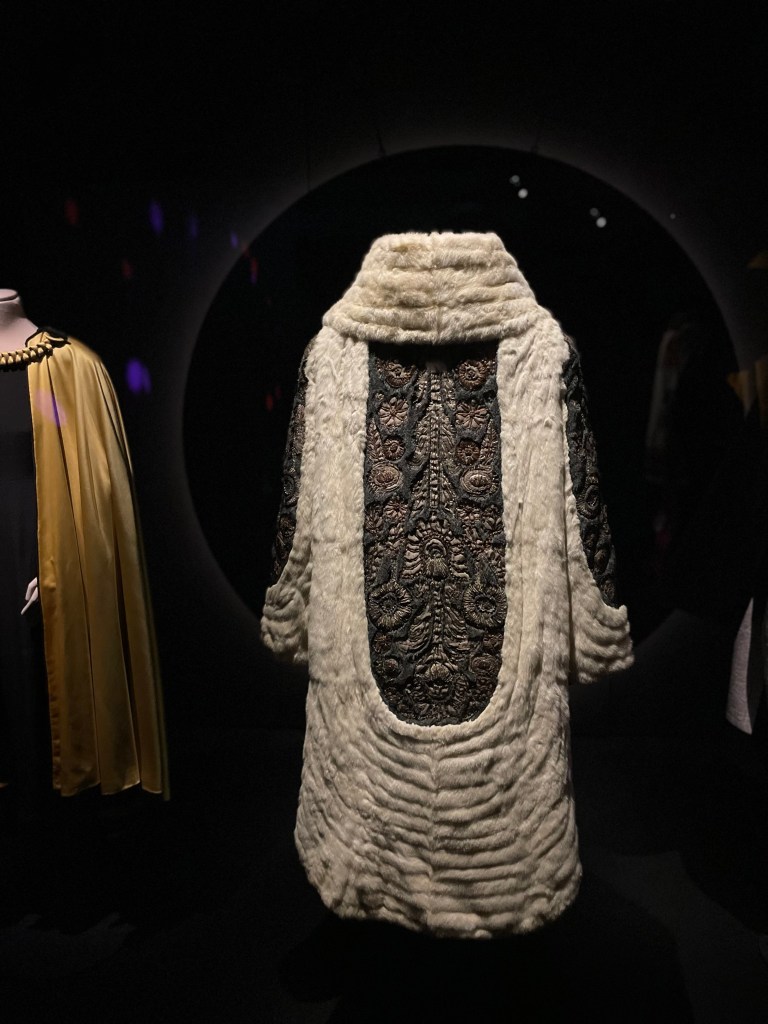
1926
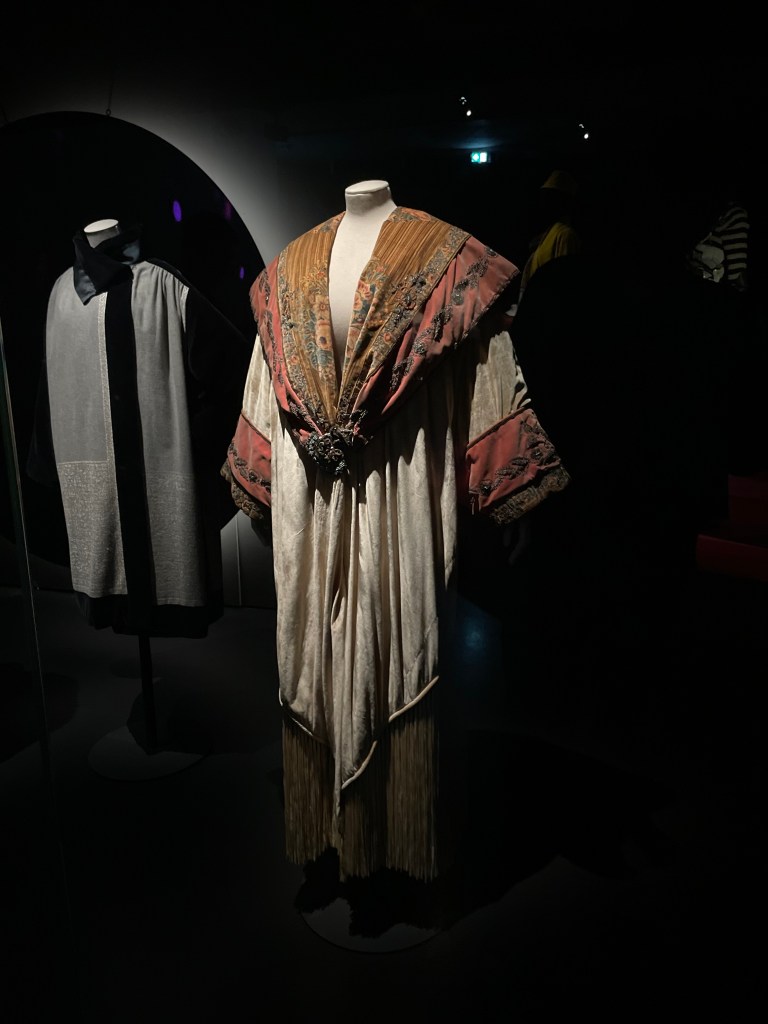
1920
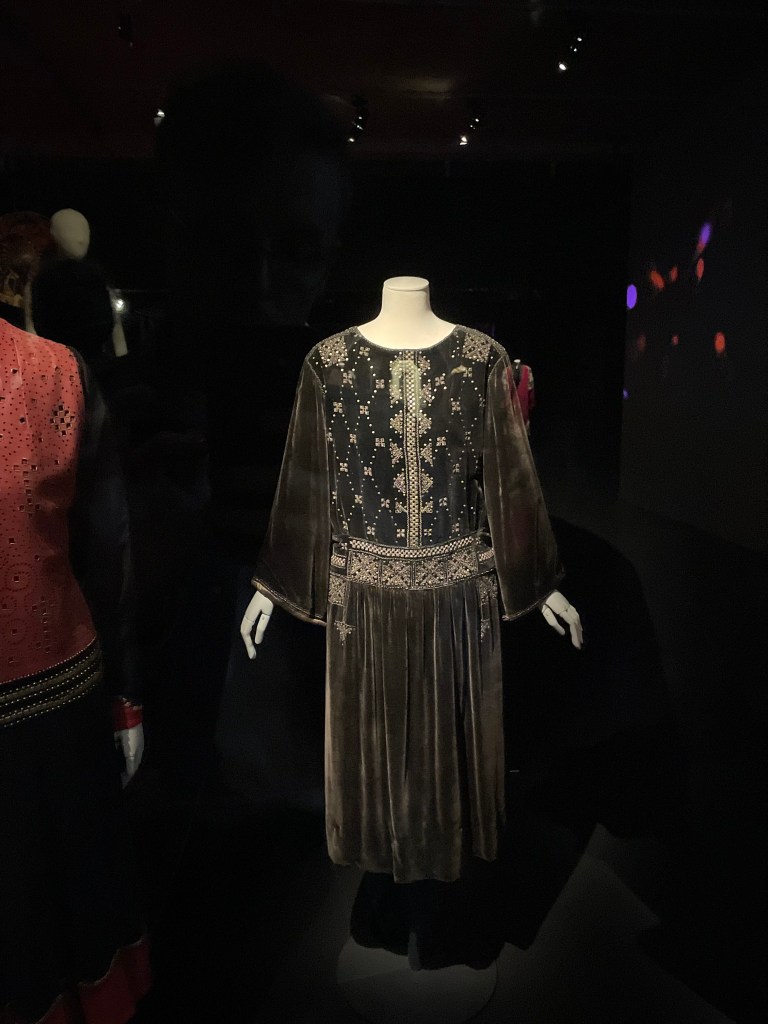
1912
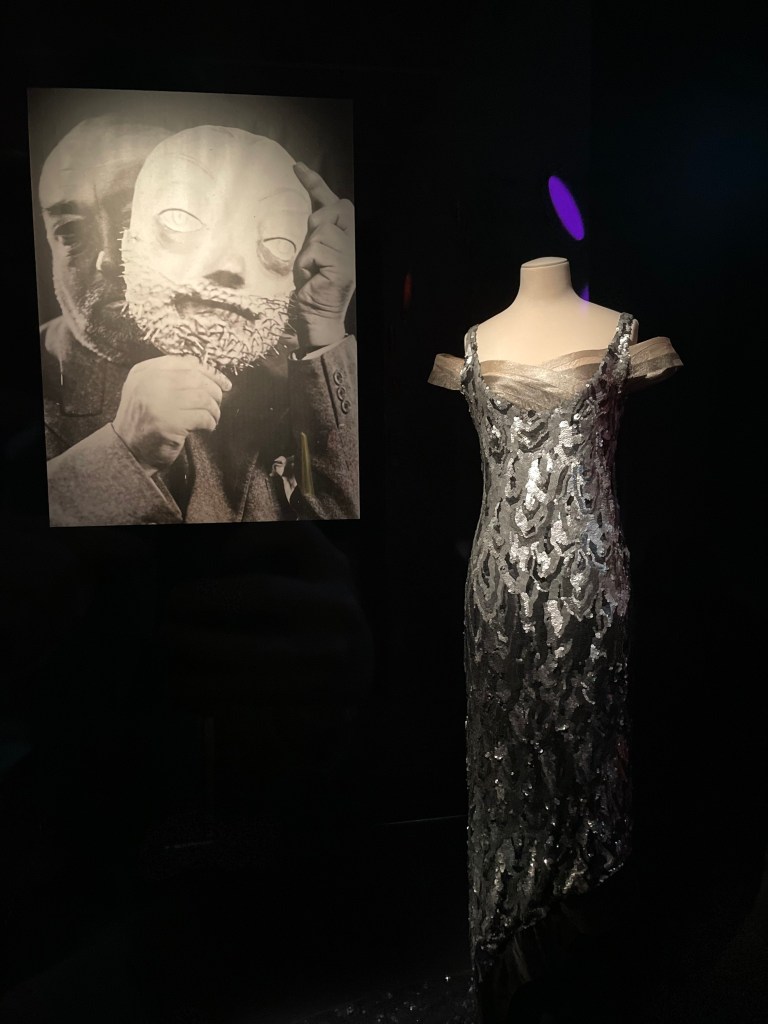
1926
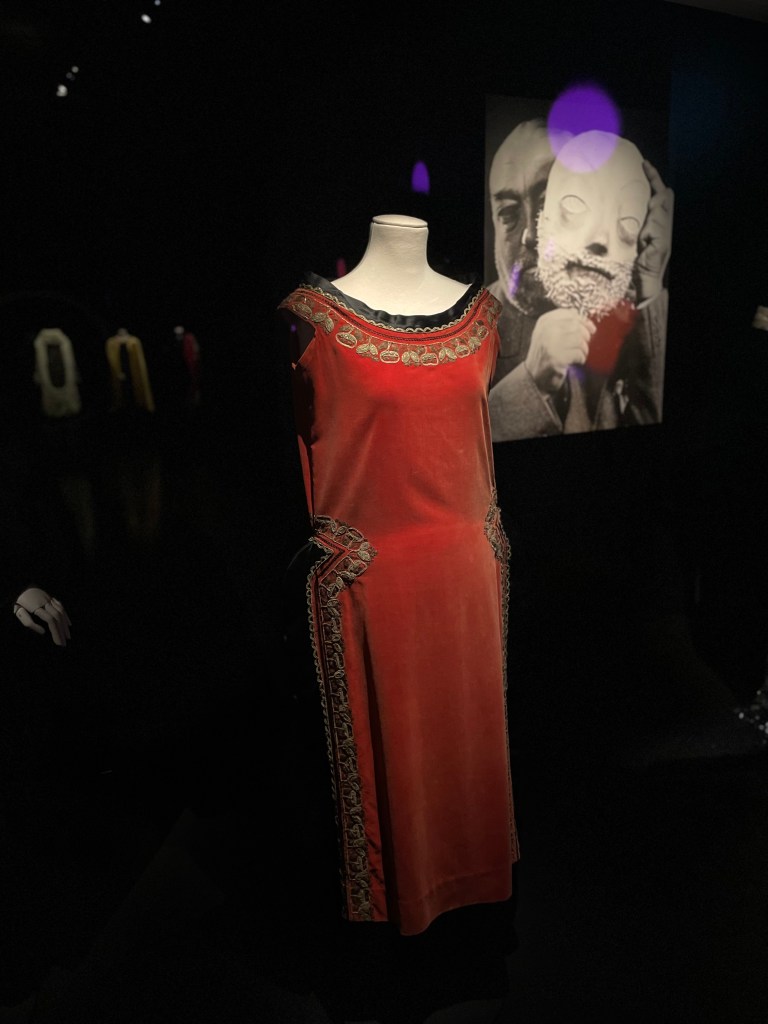
1923
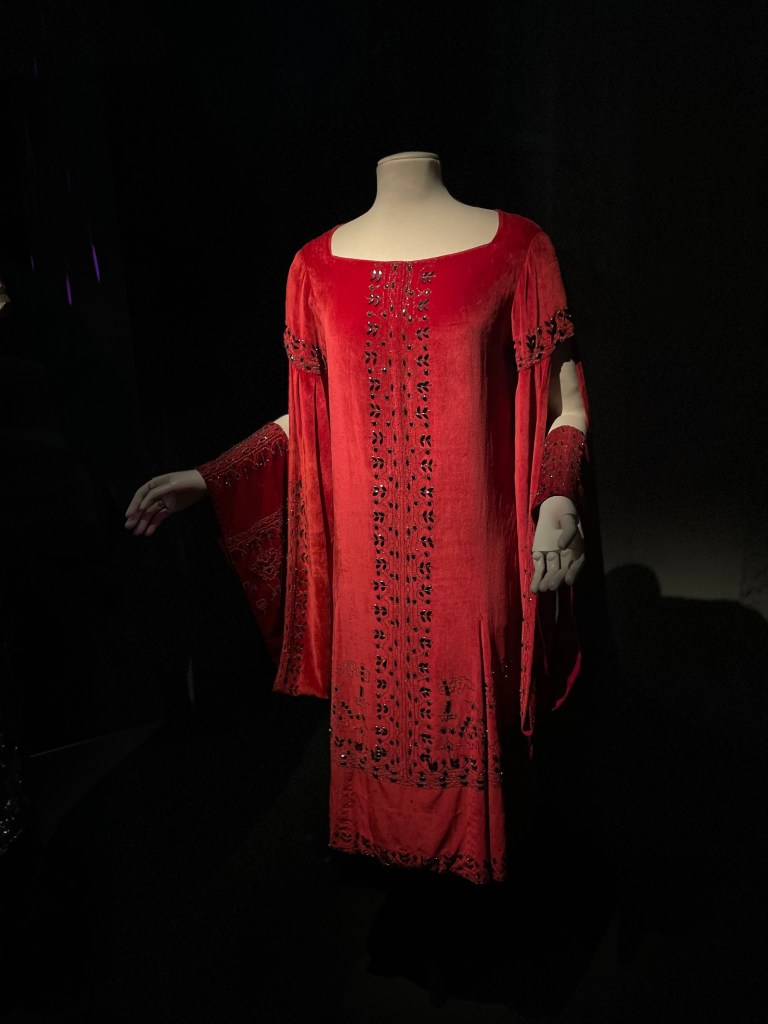
1925
Die Ausstellung im Musée des Arts décoratifs bietet einen beeindruckenden Einblick in das kreative Universum von Paul Poiret. Rund 550 Exponate von Kleidung über Accessoires bis zu Kunstwerken zeigen seinen Einfluss auf Mode, Parfum, Feste und Gastronomie. Besonders eindrucksvoll sind seine Innovationen wie die Abschaffung des Korsetts, neue Schnitte und Stoffe sowie die Kooperationen mit Künstlern wie den Fauves oder Erté.
Poiret wird als Visionär, Künstler und Unternehmer sichtbar, der Reisen, Partys und Inszenierungen geschickt nutzte, um Mode und Kultur zu verbinden. Der Bezug zur zeitgenössischen Mode wird in der Ausstellung nicht immer direkt hergestellt, lässt sich jedoch gegen Ende an zahlreichen Beispielen erkennen. Die Ausstellung vermittelt eindrucksvoll das anhaltende Erbe des Couturiers.
__________________________________________________________________________________
English Version
Paul Poiret x Musée des Arts décoratifs
The exhibition offers a comprehensive look at the work of Paul Poiret, a couturier who took the leap into independence in 1903. Before that, he worked for Charles Frederick Worth, the „inventor of haute couture,“ who will also be the subject of an exhibition at the Petit Palais, Musée des Beaux-Arts de la Ville de Paris, in 2025.
1879 – Paul Poiret was born in Paris on April 20. His father was a cloth merchant, and he grew up with three older sisters.
1882 – He first began an apprenticeship with a parasol maker, but his heart was already devoted to fashion. He sold some of his sketches to the fashion house Raudnitz, marking the beginning of his career as an independent designer.
1898 – With the French fashion designer Jacques Doucet, he learned how to handle fabrics and master the art of precise cutting.
1901 – He began working for Charles Frederick Worth, but his designs proved too extravagant for the Maison Worth.
1903 – He set up his own salon and embarked on an independent path.
1908 – Paul Poiret was the first couturier to have his designs illustrated and published in an album. The first edition was released in 250 copies.
Dress by Poiret, 1908
Illustration by Paul IribeDress by Poiret, 1912
Illustration by Paul IribeIn contrast to the designs of his contemporaries, Poiret’s creations could, for the first time, be worn without a corset. They appeared not only fashionable but also remarkably elegant – a true revolution for the time. He even introduced pant-skirts, previously worn only by women cyclists, thereby greatly expanding the possibilities of women’s fashion.
1911 – From today’s perspective, Poiret took a small step backward in terms of fashion emancipation when he designed the so-called hobble skirt. In the same year, he founded the school Les Ateliers de Martine, named after his younger daughter, where young women were trained according to the principles of the Wiener Werkstätte. To his elder child, Rosine, he dedicated the company Parfums de Rosine. With these rose-based fragrances, Poiret was, long before Coco Chanel, among the first couturiers to establish a perfume house.
Eine PostkA postcard depicting the hobble skirt, 1911. 1929 – The fashion house had to close due to the economic crisis.
1944 – The designer died on April 28 in Paris.
The Exhibition
From June 25, 2025, to January 11, 2026, the exhibition titled “Paul Poiret, la mode est une fête” will take place at the Musée des Arts décoratifs. Around 550 works will be on display, including clothing, accessories, artworks, and decorative objects that highlight Poiret’s influence on fashion, perfume, celebrations, and gastronomy. The exhibition emphasizes Poiret’s lasting legacy, whose creativity inspired designers such as Christian Dior (1948) and contemporary couturiers like Alphonse Maitrepierre (2024).
The exhibition takes visitors on a journey from the Belle Époque to the Roaring Twenties.
I visited the exhibition on September 6 2025 and spent about 90 minutes at the Musée des Arts décoratifs. Below, I share images that chronologically reflect the different eras. As I have focused mainly on the fashion aspect, this article does not aim to be comprehensive.
Of course, these images and my personal impressions cannot replace a visit to the museum.
- THE FORMATIVE YEARS
Paul Poiret, born in Paris in 1879 as the son of a draper, experienced the 1889 World’s Fair as a child and soon developed a passion for art, theater, and fashion. With his first designs, which he sold to renowned couturiers such as Madame Chéruit and Jacques Doucet, he quickly found his way into the Parisian fashion scene. In 1901, he was recruited by Gaston Worth to create fresh and youthful collections. This step laid the foundation for his career as an influential fashion designer.
1900 – 1910
1924
1895
1900
1900 – 1905
1900
- THE COUTURIER’S BEGINNINGS
In 1903, Paul Poiret founded his couture house in Paris’s Opéra district, financed by a loan from his widowed mother. The press soon hailed him as a true innovator. In 1905, he married Denise Boulet, who became his muse. His 1907 collection is considered a manifesto of his style: slender, straight-line dresses, the abandonment of the corset, and the introduction of the bra defined his new aesthetic.
To showcase his designs, known for their bold combinations of fabrics and colors, Poiret published the book Les Robes de Paul Poiret racontées par Paul Iribe in 1908. A year later, he opened new salons on the Avenue d’Antin in an eighteenth-century mansion, whose French-style garden provided a fairytale setting for fashion shows. Redesigned by Louis Süe, this space became a social hub for Parisian high society, just steps away from the Champs-Élysées.
1906
1906
1908
1908
Coat from 1910
Headpiece from 1914
1911
1910
Coat from 1911
Headpiece from 1911–1913
1910
- ARTISTIC COLLABORATIONS
Fashion designer Paul Poiret was not only a pioneer of couture but also a passionate art lover. Early on, he recognized the importance of the Fauves, a group of artists including Henri Matisse, André Derain, Maurice de Vlaminck, and Raoul Dufy. Nicknamed the “wild beasts” around 1905, they revolutionized painting with their use of pure, vibrant colors and expressive brushwork, where color mattered more than realistic representation.
Poiret drew inspiration from this artistic movement and invited young talents into his fashion house: Raoul Dufy designed fabric patterns, Vlaminck created buttons, and in 1911 Georges Lepape published an album of Poiret’s creations in exquisite stencil prints. Other creative figures such as José de Zamora, Victor Lhuer, and later the avantgarde photographer Germaine Krull also collaborated with him.
- DRESSING DANCERS AND ACTRESSES ON THE STREETS AND ON STAGE
In 1909, Sergei Diaghilev’s Ballets Russes conquered Paris and revolutionized the art world with their aesthetics. The dancers Vaslav Nijinsky and Tamara Karsavina were celebrated as revelations. The following year, the Poirets attended the premiere of Scheherazade, set in an imaginary Orient with costumes and stage designs by Léon Bakst. Poiret was fascinated by this total work of art and its harmony of music, choreography, and scenery.
He was also drawn to other forms of dance, particularly the free movements of Isadora Duncan and Nyota Inyoka’s incorporation of elements from Indian folklore. Natalia Goncharova, associated with the Ballets Russes, designed a costume for the dancer Caryathis, who in 1921 performed at Poiret’s theater L’Oasis.
1912
1921
1921
1922
Dressing Dancers and Actresses on the streets and on stage
- TRAVEL: MARKETING TOOL AND SOURCE OF INSPIRATION
To expand the international reach of his creations, Paul Poiret embarked on an extended automobile journey through European capitals in the winter of 1911–1912, accompanied by his wife and nine models dressed in uniform. Despite the challenges of border crossings, his route took him from Frankfurt to Berlin, Potsdam, Warsaw, Moscow, Saint Petersburg, Krakow, Bucharest, Budapest, and finally Vienna. At each stop he organized fashion shows that were both high-society events and clever publicity campaigns.
These business trips also gave him the opportunity to meet artists, visit museums, and purchase textiles and embroidery. To transport his dresses and ensembles, he relied on elegant Louis Vuitton trunks, which are also on display in the exhibition – a testament to Poiret’s eye for quality, luxury, and international prestige.
In 1913, he became the first French couturier to travel to the United States, where he quickly rose to fame. His travels across the country received wide coverage in the American press, which awarded him the coveted title of “King of Fashion.”
1919
1912
1919
1923 & 1911
1923
1911 – 1912
1923
1922
1922
1922
1922
- ENRICHING THE MIND THROUGH TRAVEL
In addition to his business travels, Paul Poiret loved exploring new horizons. In 1910, he embarked on a Mediterranean cruise with artist friends, enthusiastically visiting Italy, Morocco, Tunisia, Algeria, and Spain. These trips fueled his search for authenticity and deepened his understanding of other cultures. He regarded them as research missions in the service of fashion, aimed at renewing cuts and colors.
During his travels, he studied a variety of turbans, harem pants, and embroideries, which he reinterpreted according to his own vision. The adaptations he created became pure fashion pieces imbued with a dreamlike quality.
1907
1919
1911
1907
1920
1924
- ORGANIZER OF PARTIES AND SHOWS
The 1910 performance of Scheherazade by the Ballets Russes, inspired by One Thousand and One Nights, introduced Persian-inspired fashion to Paris. Inspired by this success, Paul Poiret hosted a lavish party called the Thousand and Second Night on June 24, 1911, at his home. He took on the role of the sultan, surrounded by his harem and his mistress, played by Denise Poiret.
The event gathered some 300 costumed guests in a magical setting entirely designed by Poiret. As a true force of attraction, he enlisted his artist friends to create the invitations, programs, and unique entertainments. The memorable soirée brought widespread publicity to his fashion house and cemented Poiret’s fame.
The following year, he organized Les Festes de Bacchus at the Pavillon du Butard. In 1919, he established an open-air theater, L’Oasis, in his Parisian garden.
Paul Poiret & Joséphine Baker
1911
1911
1912
1912
- FAMILY PORTRAIT
Paul Poiret was the only boy in a family of five children, one of whom died in 1883. His sisters were highly creative: Jeanne Boivin, Germaine Bongard, and the most famous, Nicole Groult. Nicole Groult was a successful seamstress and married the decorator André Groult, with whom she had two daughters, Benoîte and Flora. She also had a romantic relationship with the painter Marie Laurencin, who painted them together.
In 1905, Poiret married Denise, whom he considered his feminine ideal, as he explained in a 1913 interview with Vogue. Between 1906 and 1916, the couple had five children: Rosine, Martine, Colin, Gaspard, and Perrine. Poiret organized his business into three departments: Parfums de Rosine, Atelier Martine, and Packaging Atelier of Colin.
In 1928, the couple separated: Denise reverted to her maiden name, Boulet, left her husband, and took her wardrobe with her. For Poiret, this meant the loss of his wife, collaborator, model, and muse.
Dress: 1920
Headpiece 1914
1919
1919
1921
1912
1910
Woman’s dress: 1920
Children’s dress: 1912
Wall hanging: 1910
Coat: 1920
- RENOVATING THE DECORATIVE ARTS
During his travels to Vienna, Berlin, and Brussels in 1910, Paul Poiret became particularly interested in innovations in interior design and the decorative arts, especially the work of the Wiener Werkstätte. He dreamed of creating “a new fashion of furniture decoration.”
Back in Paris, he developed an innovative teaching method that emphasized the spontaneity of drawing. In 1911, the Martine School of Decorative Arts, named after one of his daughters, began admitting twelve-year-old students from modest backgrounds. The students were supervised by Marguerite Sérusier, artist and wife of the Symbolist painter Paul Sérusier.
Among the students were Agnès Jallat, Martiale Constantini, and Gabrielle Drapier. Raoul Dufy taught textile printing. Some pieces were produced by the Atelier Martine, directed by Guy-Pierre Fauconnet until 1914. The Maison Martine marketed “fashionable items” such as upholstery fabrics, rugs, screens, furniture, wallpapers, and puppets.
1912 – 1913
1912
1912
1912
1912
- PAUL POIRET’S STYLISTIC LEGACY
In his memoirs En Habillant l’époque (known in English under the titles King of Fashion and My First Fifty Years), Paul Poiret reflected on the legacy of his creations: “People have said that I had a great influence on the era and that I had inspired an entire generation.”
Elsa Schiaparelli, whom he met in 1922, compared him to Leonardo da Vinci, so struck was she by the breadth of his talents. In the 1950s, Christian Dior praised him as a major innovator in fashion.
Subsequent generations of couturiers and designers have paid tribute to Poiret, often without explicitly naming him, by adopting his themes or drawing on shared sources of inspiration. While not exhaustive, the examples presented here demonstrate the extent of his creative legacy.
1960
1948
1952-1953
1950 -1951
1976
2024
2024
1998
1980
1970
1989
1989
2005
1988 – 1989
1997
2016
1914
1928
1926
1920
1912
1926
1923
1925
The exhibition at the Musée des Arts décoratifs offers an impressive insight into the creative universe of Paul Poiret. Around 550 exhibits, ranging from clothing and accessories to artworks, showcase his influence on fashion, perfume, celebrations, and gastronomy. Particularly striking are his innovations, such as the abolition of the corset, new cuts and fabrics, and collaborations with artists like the Fauves and Erté.
Poiret emerges as a visionary, artist, and entrepreneur, who skillfully used travel, parties, and performances to connect fashion and culture. The connection to contemporary fashion is not always made explicitly in the exhibition, but it becomes evident toward the end through numerous examples. Overall, the exhibition vividly conveys the lasting legacy of the couturier.
 FABILEUX