
In der schnelllebigen Welt der Mode sind nur wenige Dinge so beständig wie der Reiz einer Designer-Handtasche. Ob Chanel, Hermès oder Louis Vuitton; ikonische Modelle trotzen kurzfristigen Trends und gewinnen mit der Zeit nicht nur an Stil, sondern oft auch an Wert. Was früher als reines Statussymbol galt, gilt heute immer häufiger als kluge Investition. Dieser Artikel beleuchtet, warum Designer-Handtaschen heute so beliebt wie nie zuvor sind und welche Modelle hier das Rennen anführen.
In einer aktuellen Folge von The Debrief von The Business of Fashion spricht Modejournalistin Sheena Butler-Young mit Luxus-Expertin Simone Stern Carbone über die Bedeutung ikonischer Taschen und die Herausforderung, ihre Relevanz langfristig zu sichern.
Handtaschen sind oft die sichtbarsten Symbole einer Luxusmarke und tragen entscheidend zu deren wirtschaftlichem Erfolg bei. Taschen gelten zudem als ideale Einstiegsprodukte in den Luxusmarkt, da sie sofort als Statussymbole erkennbar sind. Während eine Designer-Jeans oft unbemerkt bleibt, wird eine Tasche auf Anhieb erkannt – und sie begleitet ihre*n Besitzer*innen im Alltag, was ihre Sichtbarkeit und Wirkung zusätzlich erhöht.
Außerdem lassen sich nur wenige Produkte im Nachhinein so leicht verkaufen wie Designer-Handtaschen. Plattformen wie Vestiaire Collective, die 2009 in Paris gegründet wurde, garantieren den Käufern eine unabhängige Überprüfung der Echtheit der Taschen. Neben der Erleichterung des Weiterverkaufs in den letzten Jahren haben Handtaschen den großen Vorteil, nicht von Konfektionsgrößen abhängig zu sein.
Wenn eine Marke ein überzeugendes, innovatives Taschendesign präsentiert, kann dies eine neue Ära für die Marke einläuten – wie es vor einem Jahrzehnt Phoebe Philo mit den flügelartigen Céline-Taschen tat. Im vergangenen Jahr tat dies Alaïa mit der Le Teckel Tasche, die schnell zu einem Erfolg wurde und den eleganten und modernen Ton für die Marke setzte.
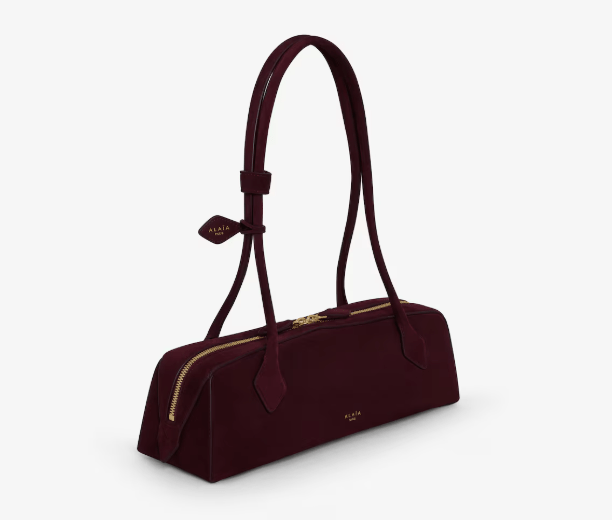
Le Teckel aus Kalbs-Nubukleder für 2100€
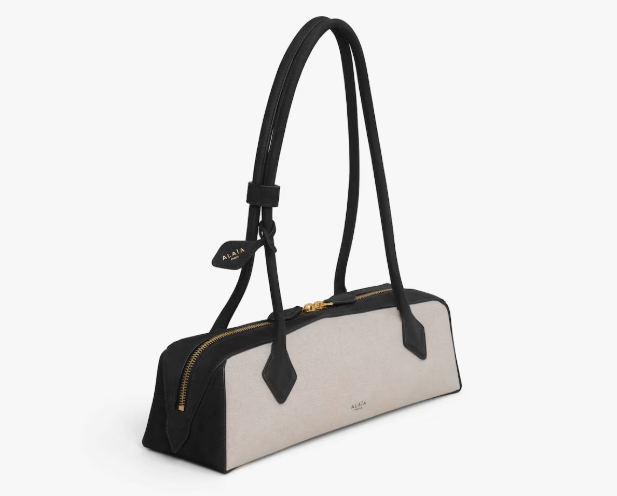
Le Teckel aus Canvas & Nubukleder für 1900€
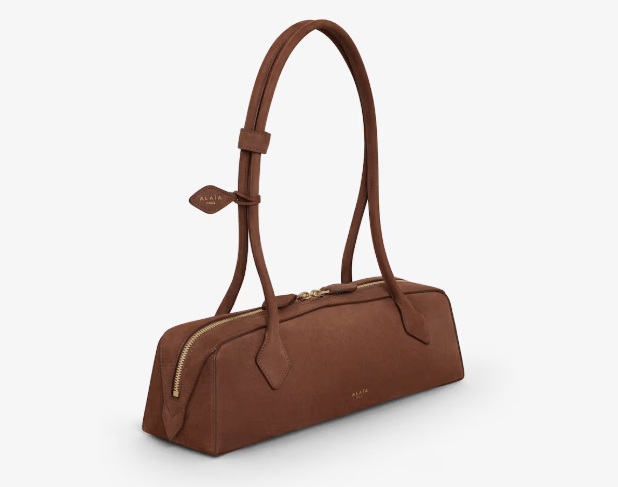
Le Teckel aus Kalbs-Nubukleder für 2100€
Bereits zu Beginn des 20. Jahrhunderts gehörte die Handtasche zum festen Bestandteil der Damengarderobe. Üblich war es damals, eine Clutch in der Hand zu tragen oder eine Tasche am Henkel zu halten. Im Februar 1955 setzte das Modehaus Chanel einen Meilenstein: Gabrielle Chanel präsentierte die ikonische 2.55 – ein Modell, das von ihrer Kindheit im Waisenhaus inspiriert war. Die Ketten, an denen dort die Schlüssel der Nonnen hingen, lieferten die Idee für den eleganten Kettenriemen. Dieser machte es erstmals möglich, eine Tasche sowohl über der Schulter als auch diagonal am Körper zu tragen – eine praktische Innovation, die das Handtaschendesign nachhaltig veränderte.
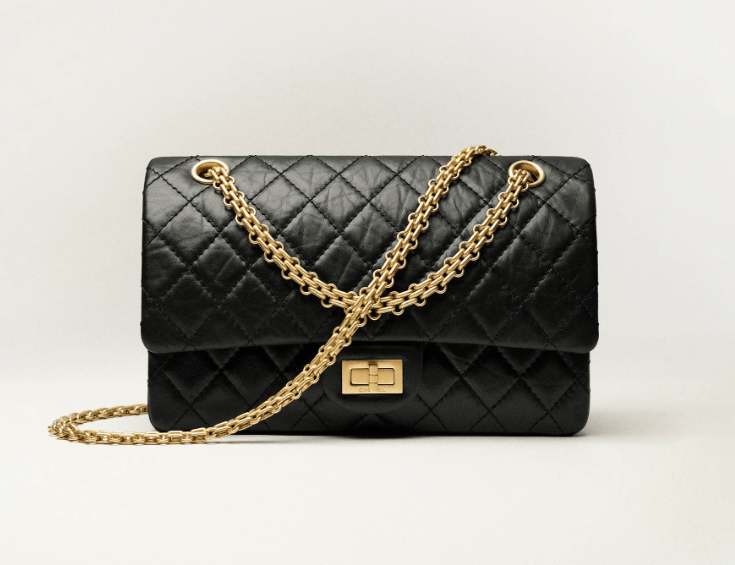
Ikonische Modelle
Viele der bekanntesten Designertaschen verdanken ihre Popularität nicht nur ihrem Design, sondern auch der Verbindung zu prominenten Persönlichkeiten – manche sind ihnen sogar namentlich gewidmet. Die Kelly Bag von Hermès etwa wurde nach der Schauspielerin und späteren Fürstin von Monaco, Grace Kelly, benannt, die das Modell berühmt machte, als sie damit versuchte, ihre Schwangerschaft vor Paparazzi zu verbergen. Auch die legendäre Birkin Bag, ebenfalls von Hermès, entstand in Zusammenarbeit mit der britischen Schauspielerin und Sängerin Jane Birkin, die sich über zu kleine Taschen beklagte.
Gucci benannte seine Jackie Bag nach der Stilikone Jackie Kennedy, während Dior mit der Lady Dior eine Hommage an Prinzessin Diana schuf, die das Modell regelmäßig trug. Die Speedy von Louis Vuitton wiederum wurde durch Audrey Hepburn weltberühmt, die sich eine kleinere Version für den Alltag wünschte.
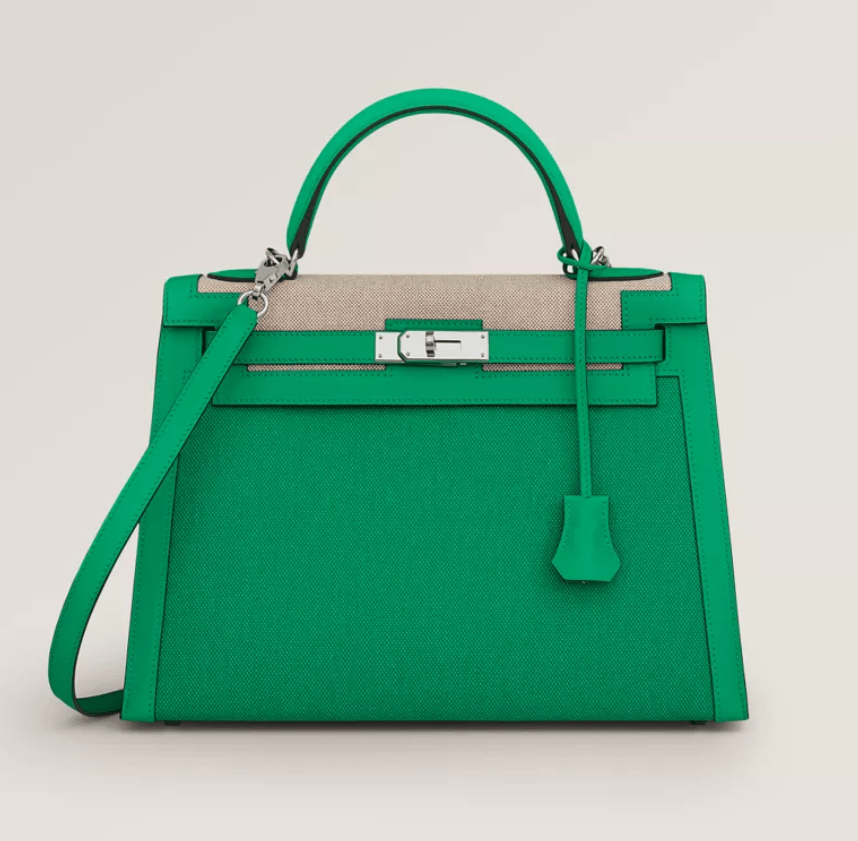
Kelly Bag
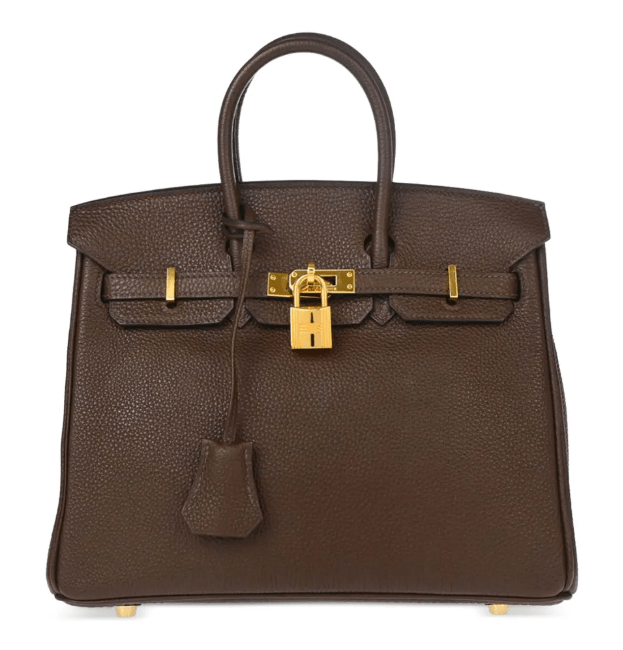
Birkin Bag 25
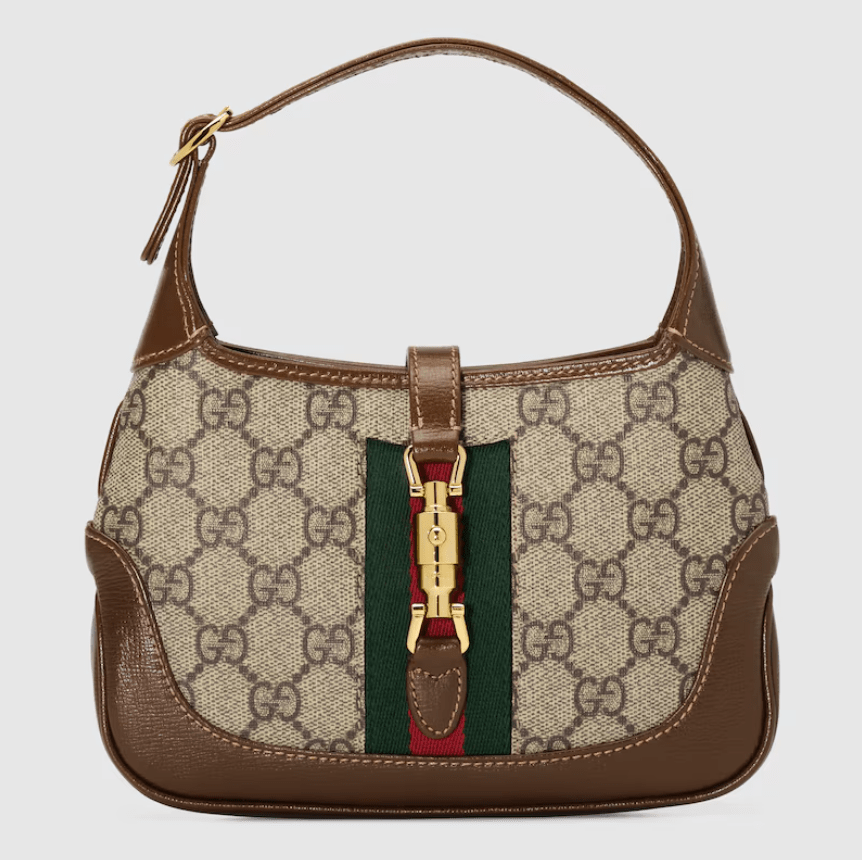
Jackie 1961 für 2600€
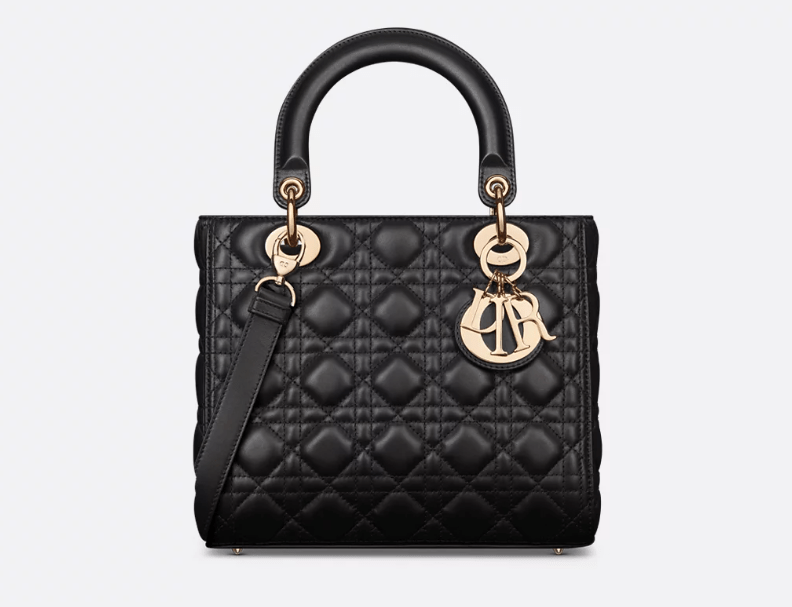
Lady Dior für 5900€
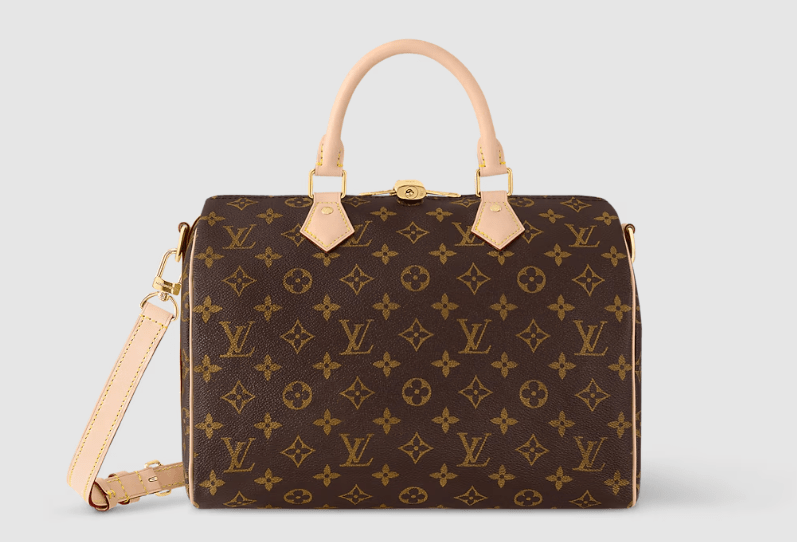
Speedy 35 für 1650€
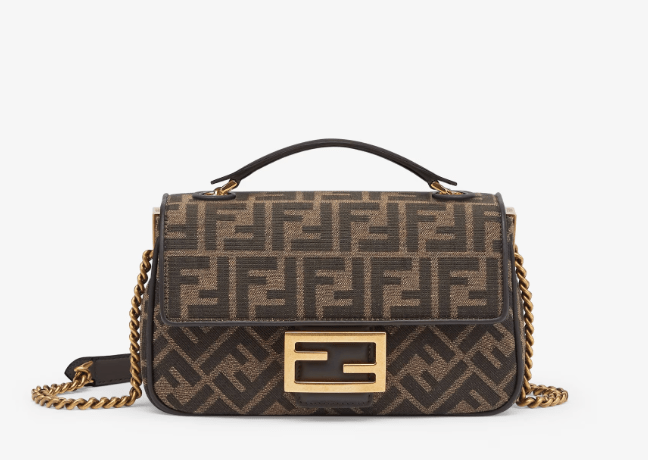
Baguette Chain Midi Bag für 2800€
Auch in jüngerer Zeit setzen Marken auf starke Namen oder berühmte Trägerinnen: Die Baguette Bag von Fendi wurde dank Sex and the City-Star Sarah Jessica Parker zum Kultobjekt. Yves Saint Laurent benannte die Loulou Bag nach seiner Muse Loulou de la Falaise, während Bottega Veneta der Jodie Bag den Namen von Schauspielerin Jodie Foster verlieh, die sich versuchte mit dem Modell vor Paparazzi zu schützten.
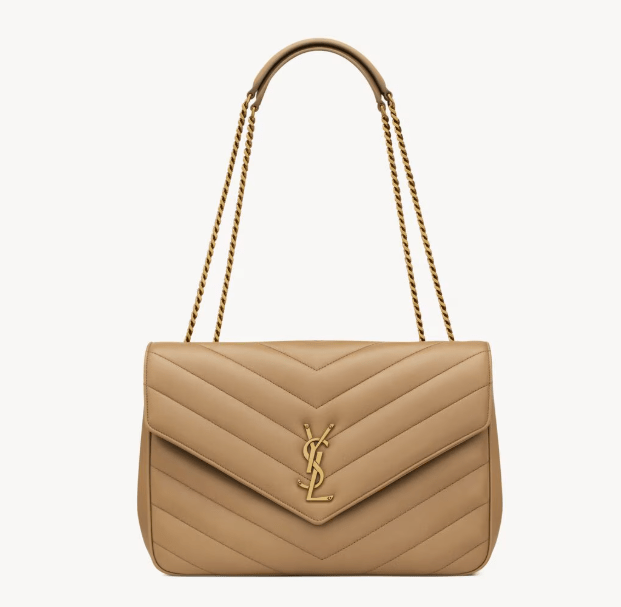
Loulou Large für 2800€
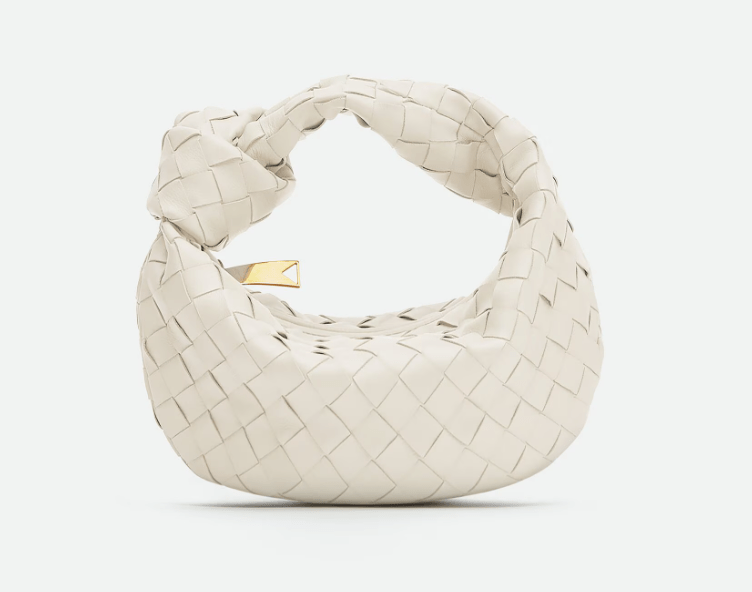
Mini Jodie für 2500€
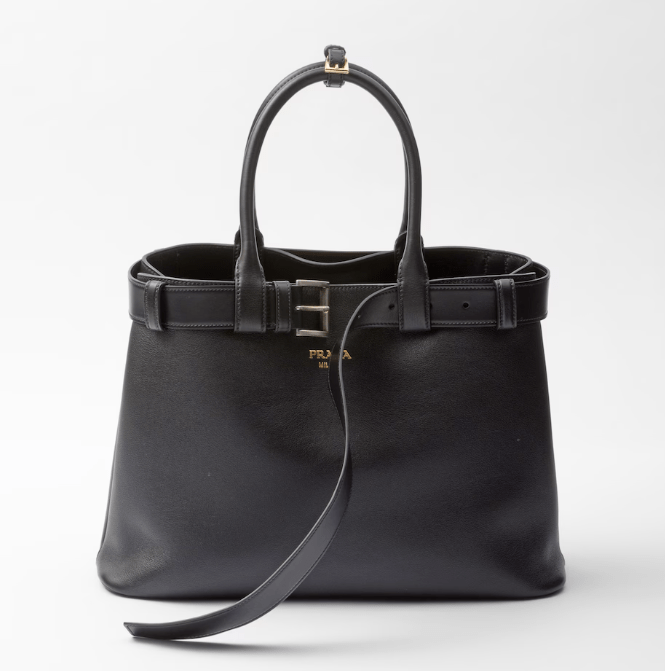
Buckle Bag für 4900€
In der folgenden Übersicht sind die Handtaschen nach Erscheinungsjahr und durchschnittlichem Preisniveau geordnet. Da die Preise je nach Größe, Material und Kollektion variieren, lassen sich die Modelle nicht auf einen festen Preispunkt festlegen. Das Diagramm dient daher ausschließlich zur groben Orientierung. Die PDF wurde im Februar 2026 erstellt.
Plagiate – Antrieb für Innovationen
Gerade weil erfolgreiche Modelle so prägnant sind, werden sie schnell zum Ziel von Nachahmungen. Designrechte bieten nur begrenzten Schutz, und Materialien oder Formen lassen sich leicht kopieren. Um dem entgegenzuwirken, setzen viele Luxusmarken auf kontinuierliche Innovation sowie auf künstliche Verknappung – ein Prinzip, das Hermès mit seinen ikonischen Birkin- und Kelly-Bags perfektioniert hat.
Im Luxusbereich haben markante Formen aktuell stark an Bedeutung gewonnen, da das Interesse an stark logo-lastigen Designs nachgelassen hat. So bleibt die Baguette-Form, mit eleganten Interpretationen von Alaïa und Bottega Veneta, dominant. Formen, die herausstechen und auch mutiges, modebewusstes Design mitbringen, scheinen Teile des Erfolgsrezeptes zu sein. Die Margaux Tasche von The Row scheint dies hier auch widerzuspiegeln.
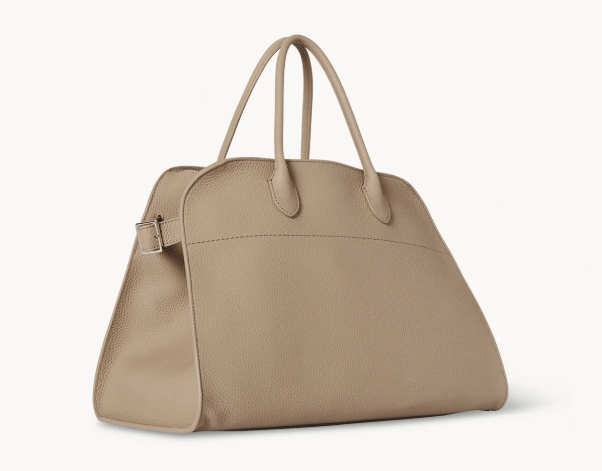
Soft Margaux 15 in Taupe für 5100€
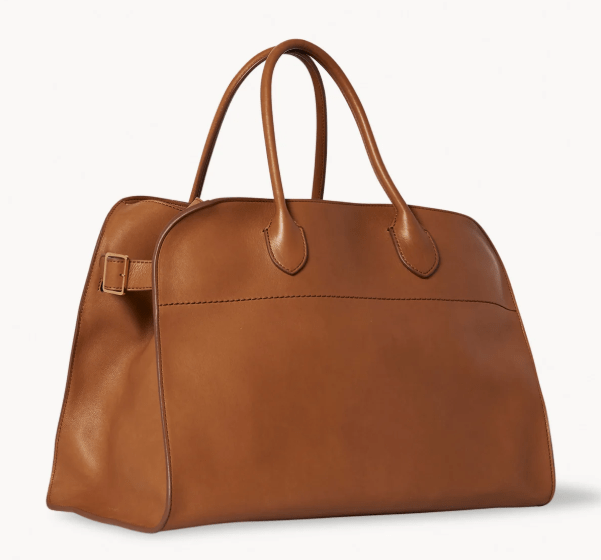
Soft Margaux 17 in Braun für 6930€
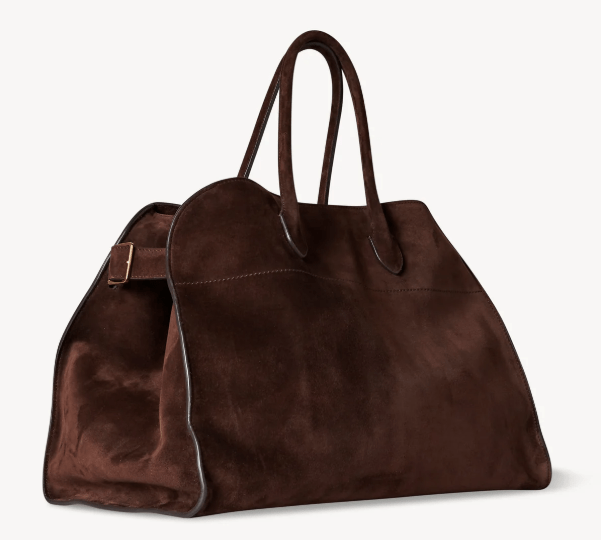
Soft Margaux aus weichem Veloursleder in Mocha für 6080€
Dennoch zeigt sich nachhaltiger Erfolg nicht allein in der Jagd nach Neuem, sondern vielmehr darin, dass Marken ihrer kreativen Identität treu bleiben und zugleich offen für frische Impulse sind.
Der Blick in das hauseigene Archiv kann hier für die Marken eine Goldgrube sein. Im Jahr 2003 lancierte Louis Vuitton gemeinsam mit dem japanischen Künstler Takashi Murakami eine wegweisende Kollektion, die Modegeschichte schrieb. Die Zusammenarbeit brachte Farbe und Popkultur in das klassische Monogramm-Design der Marke und machte die Taschen zu begehrten Sammlerstücken. Ende 2024, rund zwei Jahrzehnte später, wurde die Zusammenarbeit neu aufgelegt und Anfang 2025 mit großem Medienecho erneut lanciert.
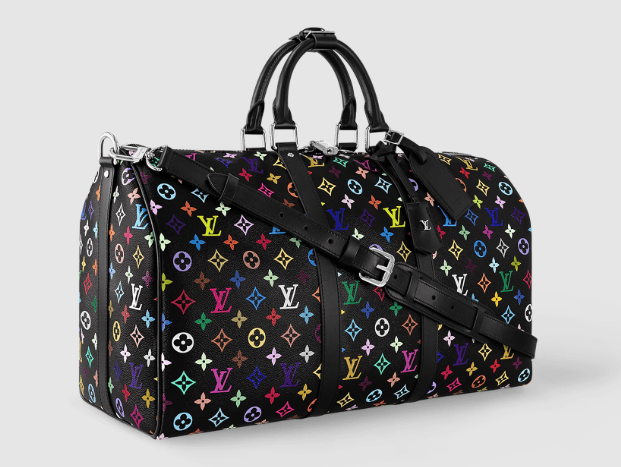
LV x TM Keepall 50 für 3150€
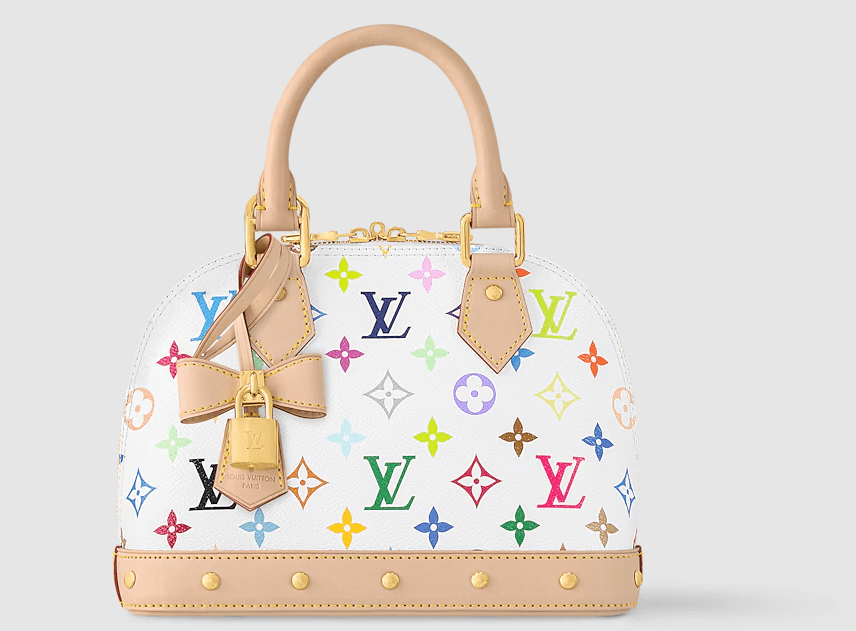
LV x TM Alma für 2350€

LV x TM Speedy 25 für 2500€
Es gilt, die Balance zwischen Innovation und Tradition zu wahren, ohne in reine Effekthascherei zu verfallen. Im Zentrum stehen dabei Authentizität und die enge Bindung zur loyalen Kundschaft und kaum ein Produkt eignet sich besser dafür als die Handtasche.
__________________________________________________________________________________
English Version
Luxury That Lasts: Designer Bags
In the fast-paced world of fashion, few things remain as enduring as the allure of a designer handbag. Whether it’s Chanel, Hermès, or Louis Vuitton; iconic pieces defy fleeting trends and gain not only in style but often in value over time. What was once seen purely as a status symbol is now increasingly regarded as a smart investment. This article explores why designer bags are more popular than ever – and which models are leading the way.
In a recent episode of The Debrief by The Business of Fashion, fashion journalist Sheena Butler-Young speaks with luxury expert Simone Stern Carbone about the significance of iconic bags and the challenge of maintaining their relevance over time.
Handbags are often the most visible symbols of a luxury brand and play a crucial role in its financial success. They are also considered ideal entry-point products into the world of luxury, as they are instantly recognizable as status symbols. While a pair of designer jeans may go unnoticed, a handbag is recognized at a glance – and it accompanies its owner throughout daily life, further enhancing its visibility and impact.
Few products are as easy to resell later as designer handbags. Platforms like Vestiaire Collective, founded in Paris in 2009, offer buyers independent authentication of each bag. In addition to making resale more convenient in recent years, handbags also have the major advantage of being independent of clothing sizes.
When a brand presents a compelling, innovative bag design, it can mark the beginning of a new era – just as Phoebe Philo did a decade ago with her winged Céline bags. Last year, Alaïa achieved something similar with the Le Teckel bag, which quickly became a success and set an elegant, modern tone for the brand.
Le Teckel in calf nubuck leather for €2,100
Le Teckel in canvas and nubuck leather for €1,900
Le Teckel in calf nubuck leather for €2,100
As early as the beginning of the20th century, the handbag had become a staple of women’s wardrobes. At the time, it was common to carry a clutch in one’s hand or to hold a bag by its handle. In February 1955, the fashion house Chanel set a milestone: Gabrielle Chanel introduced the iconic 2.55; a model inspired by her childhood in an orphanage. The chains that held the nuns’ keys there became the inspiration for the bag’s elegant chain strap. For the first time, it made it possible to wear a handbag over the shoulder or crossbody – a practical innovation that would permanently transform handbag design.
Iconic Models
Many of the most famous designer bags owe their popularity not only to their design but also to their association with prominent figures – some even named after them. For example, the Hermès Kelly bag was named after actress and later Princess of Monaco, Grace Kelly, who made the model famous when she used it to try to conceal her pregnancy from paparazzi. The legendary Birkin bag, also by Hermès, was created in collaboration with British actress and singer Jane Birkin, who complained about the lack of properly sized bags.
Gucci named its Jackie bag after style icon Jackie Kennedy, while Dior created the Lady Dior as a tribute to Princess Diana, who frequently carried the model. The Louis Vuitton Speedy, on the other hand, became world-famous thanks to Audrey Hepburn, who requested a smaller version for everyday use.
Kelly Bag
Birkin Bag 25
Jackie 1961 for 2600€
Lady Dior for 5900€
Speedy 35 for 1650€
Baguette Chain Midi Bag for 2800€
In more recent times, brands have also relied on strong names or famous wearers: Fendi’s Baguette bag became a cult item thanks to Sex and the City star Sarah Jessica Parker. Yves Saint Laurent named the Loulou bag after his muse Loulou de la Falaise, while Bottega Veneta gave the Jodie bag the name of actress Jodie Foster, who tried to shield herself from paparazzi with the model.
Loulou Large for 2800€
Mini Jodie for 2500€
Buckle Bag for 4900€
The following overview presents the handbags according to their year of release and average price range. As prices vary depending on size, material, and collection, it is not possible to assign the models to a specific price point. The chart, therefore, serves solely as a general reference. The PDF was created in February 2026.
Plagiarism – A Driving Force for Innovation
Because successful models are so distinctive, they quickly become targets for imitation. Design rights offer only limited protection, and materials or shapes are easy to replicate. To counter this, many luxury brands rely on continuous innovation and artificial scarcity – a principle that Hermès has perfected with its iconic Birkin and Kelly bags.
In the luxury sector, distinctive shapes have gained significant importance as interest in heavily logo-driven designs has waned. The baguette shape, with elegant interpretations by Alaïa and Bottega Veneta, remains dominant. Shapes that stand out and also bring bold, fashion-forward design seem to be part of the success formula. The Margaux bag by The Row appears to reflect this as well.
Soft Margaux 15 in Taupe for 5100€
Soft Margaux 17 in Brown for 6930€
Soft Margaux in soft suede leather in Mocha for €6,080
However, sustainable success is not only shown in the pursuit of the new, but rather in brands staying true to their creative identity while remaining open to fresh impulses.
A look into a brand’s own archive can be a goldmine. In 2003, Louis Vuitton launched a groundbreaking collection in collaboration with Japanese artist Takashi Murakami, which made fashion history. The collaboration brought color and pop culture into the brand’s classic monogram design, turning the bags into coveted collector’s items. At the end of 2024, nearly two decades later, the collaboration was revived and relaunched with great media attention in early 2025.
LV x TM Keepall 50 for 3150€
LV x TM Alma for 2350€
LV x TM Speedy 25 for 2500€
It is essential to maintain a balance between innovation and tradition without resorting to mere gimmicks. At the heart of this lies authenticity and a close connection to the loyal customer base, and few products are better suited for this than the handbag.
 FABILEUX