
Paris, Mailand, London und New York gehören zu sogenannten „Big Four“ – also die vier bedeutendsten Modestädte der Welt. Doch neben diesen Metropolen gibt es ebenfalls kleinere, unbekanntere Städte, die das Geschehen in der Modebranche ebenfalls maßgeblich beeinflussen. Dazu gehört unter anderem Antwerpen. Wie es dazu kam und welche Einflüsse der Standort noch heute hat, wird hier erklärt.
Jedem Anfang wohnt ein Zauber inne…
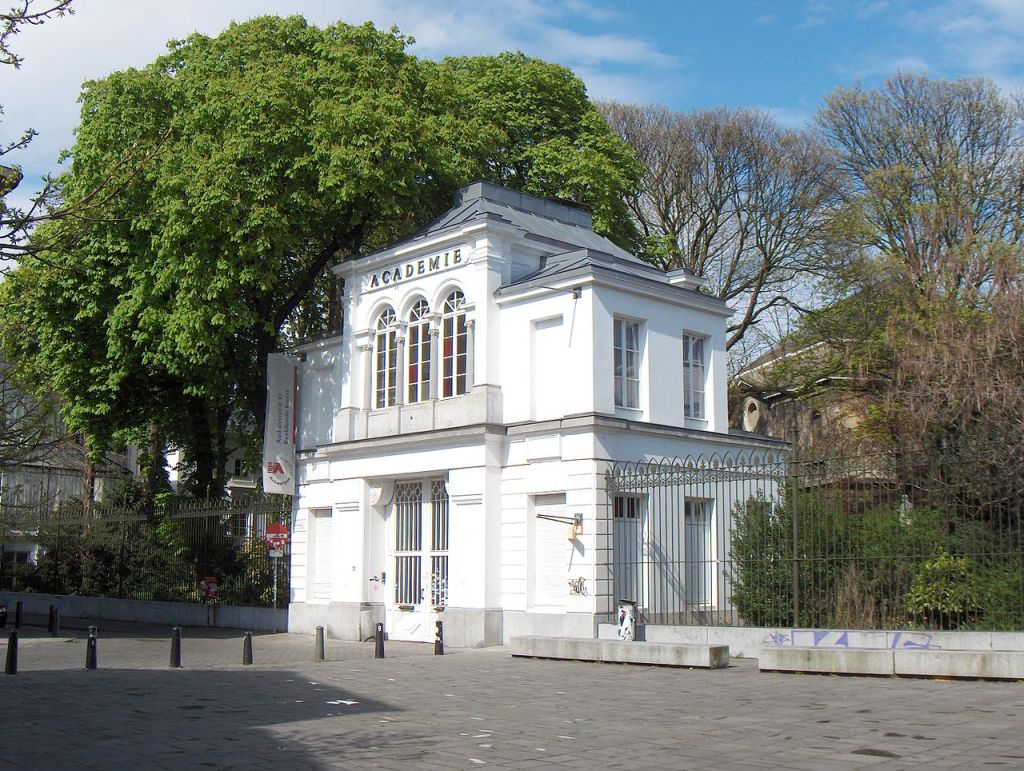
In Antwerpen besteht eine der vier ältesten Kunsthochschulen in Europa. 1663 gegründet, blickt die Royal Academy of Fine Arts (dt. Königliche Akademie für Schöne Künste) auf eine lange Geschichte zurück. Um jedoch die Bedeutung des Standortes Antwerpen für zeitgenössische Mode zu erklären, ist ein Sprung in die 1980er Jahre notwendig.
Denn die Antwerp Six bezeichnet ein Designkollektiv, das in den 1980er Jahren den internationalen Durchbruch schaffte und dadurch die flämische Mode international populär machte.
Zur Gruppe gehörten die Designer Dirk Bikkembergs, Ann Demeulemeester, Walter Van Beirendonck, Dries Van Noten, Dirk Van Saene und Marina Yee.
Um eine chronologische Reihenfolge einzuhalten, ist ein Blick in die Studienzeit der Mitglieder notwendig. Jede*r der Designer*in studierte an der Royal Academy of Fine Arts in Antwerpen, währenddessen sich die Studierenden kennenlernten. Im Jahr 1986 fuhren die ambitionierten Designer mit einem LKW nach London und nahmen dort an der Fashion Week teil. Jedoch erhielt die Gruppe hier nur einen Platz im zweiten Stock, um ihre Kollektionen zu präsentieren. Die gefragtesten Brands waren bereits auf der ersten Etage vertreten, wodurch die Einkäufer keine Notwendigkeit mehr sahen die zweite Etage aufzusuchen.
Aufgrund dessen verteilten die Antwerp Six am nächsten Tag Flyer mit dem Slogan „Come up an see the ,Antwerp Six‘!“, wodurch die Einkäufer angelockt werden sollten. Die Initiative zeigte Wirkung! Die Einkäufer und vor allem die Presse wurden unmittelbar auf die Talente aufmerksam. Um die schwierige Aussprache der flämischen Namen zu umgehen, übernahm primär die britische Presse die Bezeichnung „The Antwerp Six“.
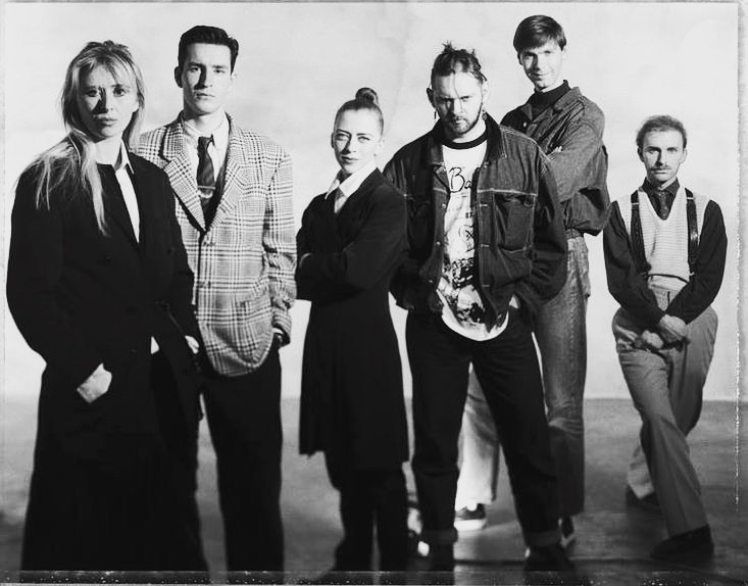
Der Erfolg der Designs lag im Kontrast zu den gängigen und erfolgreichen Marken wie Burberry, die eine sehr klassische Ästhetik mit klaren Silhouetten anboten. Die Antwerp Six setzen auf unkonventionelle Schnitte, Silhouetten und Farben.
Neben dem bereits erklärten Begriff stößt man bei einer intensiveren Recherche ebenfalls auf den Begriff „The Antwerp 6+1“, der den Designer Martin Margiela mit einschließt. Jedoch ist der Designer kein Teil der Gruppe. Er studierte zwar zur gleichen Zeit an der Akademie in Antwerpen, jedoch fuhr er nicht mit nach London, da er zu der Zeit bereits ein Praktikum bei Jean-Paul Gaultier in Paris absolvierte. Nichtsdestotrotz, wird sein Name oft mit dem Mythos der Antwerp Six assoziiert.
Der Lauf der Zeit
Es folgt ein Zeitstrahl, der die wohl bekanntesten und erfolgreichsten Designer aus der Stadt beinhaltet, die zum Großteil Absolventen der Royal Academy sind.
1976 – Walter Van Beirendonck und Martin Margiela beginnen ihr Studium.
1977 – Marina Yee, Dirk Bikkembergs, Dries van Noten, Dirk van Saene & Ann Demeulemeester folgen. 1980 bzw. 1981 schlossen die Designer ihr Studium erfolgreich ab.
1984 bis 1987 – Martin Margiela, der ebenfalls mit den Antwerp Six studierte, arbeitet zu dieser Zeit bereits als Assistent von Jean-Paul Gaultier.
1986 – Berühmte Reise nach London und Beginn des Mythos „The Antwerp Six“.
1988 – Gründung der Maison Margiela.
1991 – Raf Simons absolviert ein Praktikum bei Walter van Beirendonck.
1992 – Marina Yee kehrt der Mode den Rücken. Ihre damalige Beziehung zu Martin Margiela und sein enormer Erfolg setzen ihr zu. Sie entwickelt Minderwertigkeitsgefühle sowie eine Abneigung gegenüber der Branche.
1993 bis 1999 – Die deutsche Modemarke MUSTANG Jeans unterschreibt einen Lizenzvertrag mit Walter van Beirendonck. 1999 wird Beirendonck zum Kulturbotschafter Flanderns ernannt.
1995 – Raf Simons lanciert seine erste Kollektion.
1997 – Martin Margiela wird neuer Kreativdirektor bei der Maison Hermès. 2003 gab er diese Position auf.
2005 bis 2012 – Raf Simons wird neuer Kreativdirektor bei Jil Sander.
2006 – Demna Gvasalia absolviert seinen Abschluss an der Royal Academy of Fine Arts in Antwerpen.
2008 – Der Council of Fashion Designers of America ehrt Dries Van Noten mit der Auszeichnung „International Designer of the Year“.
Im selben Jahr absolvierte Glenn Martens zudem erfolgreich sein Masterstudium an der Academy.
2009 – Martin Margiela verlässt sein Unternehmen. Im Oktober 2014 übernahm John Galliano die kreative Leitung des Hauses.
2014 – Das Label Vetements wird von Demna in der Schweiz gegründet. 2019 verließ er das Unternehmen.
2012 bis 2015 – DIOR bekommt einen neune Kreativdirektor: Raf Simons.
2014 – Raf Simons erhält die internationale Auszeichnung für seine Arbeit bei DIOR durch den Council of Fashion Designers of America (CFDA).
2015 – Das Label Balenciaga kürt Demna zum neune Kreativdirektor. Zuvor arbeitete er für Maison Margiela sowie Louis Vuitton.
2016 bis 2018 – Raf Simons übernimmt bei Calvin Klein die kreative Leitung.
2017 – CFDA Fashion Award geht an Demna sowohl für Vetements, also auch für Balenciaga. 2018 folgte Accessories Designer of the Year und 2021 der Global Women’s Designer award.
2018 – Puig tritt als Mehrheitseigentümer in die Kapitalstruktur von Dries Van Noten ein. Der Designer behält seine Rolle als Chief Creative Officer und Vorstandsvorsitzender bei.
Seit 2021 – Pieter Mulier wird zum neuen Kreativdirektor von Alaïa ernannt. Der Belgier hatte eigentlich Architektur studiert, jedoch wurde sein Talent von Raf Simons direkt erkannt und so wurde Mulier die rechte Hand von Simons für 16 Jahre.
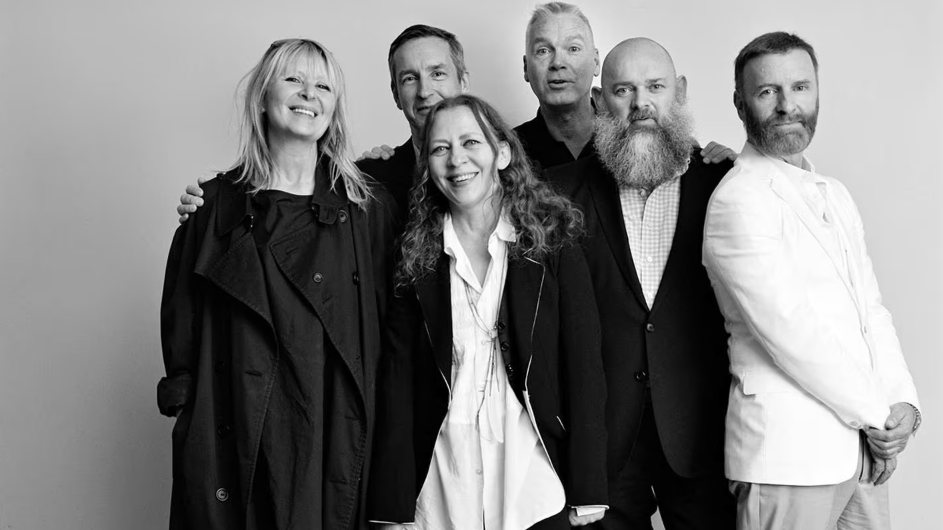
2022 – Reunion der Antwerp Six, um einige Fragen von Studierenden an der Akademie zu beantworten. The Business of Fashion hatte groß darüber berichtet.
2023 – Haider Ackermann, der ebenfalls ein Studium in Antwerpen begann, jedoch nicht abschloss, wurde auserwählt die Frühling/Sommer Haute Couture Kollektion für Jean Paul Gaultier zu designen.
2024 – Der neue Kreativdirektor bei TOM FORD wird niemand Geringerer als Haider Ackermann. Damit ist ein weiterer Absolvent der Royal Academy of Arts in einer der Top-Positionen der internationalen Modebranche angekommen.
2025 – Demna wird neuer Kreativdirektor bei GUCCI und tritt damit die Nachfolge von Sabato De Sarno an. Die Reaktionen an der Pariser Börse waren deutlich: Die Aktie des Kering-Konzerns ist in den darauffolgenden Tagen um 13 % eingebrochen.
Ebenfalls in 2025 – Glenn Martens wird zum Kreativdirektor von Maison Margiela ernannt. Sein Debüt feiert er im Juli 2025 während der Haute Couture Fashion Week in Paris.
2025 – Marina Yee stirbt am 1. November.
2025 – Olivier Rousteing verlässt nach 14 Jahren Balmain, und Antonin Tron wird neuer Kreativdirektor des Hauses. Tron schloss 2008 sein Studium in Antwerpen ab und sammelte anschließend Erfahrungen bei Louis Vuitton sowie Balenciaga. Besondere Aufmerksamkeit erlangte er zudem mit seinem eigenen Label Atlein.
Die folgende Grafik liefert eine detaillierte Übersicht über die einflussreichsten Designer*innen im Bereich der Womenswear seit Beginn des 21. Jahrhunderts. Sie stellt die bedeutendsten Modehäuser vor und zeigt, welche kreativen Köpfe sie in welchen Zeiträumen geprägt haben. Designer mit einer Verbindung zur Stadt Antwerpen sind farblich hervorgehoben.
Die Übersicht wird regelmäßig aktualisiert (Stand: Februar 2026). Die vollständige Grafik steht hier kostenlos zum Download bereit.
Den kommerziellen Erfolg des Kollektivs nutzte natürlich auch jedes Individuum, um seine eigene Marke in der Modeindustrie zu etablieren. Der wirtschaftlich erfolgreichste ist bis heute Dries von Noten, der mit seinen neuesten Kollektionen immer Teil der Paris Fashion Week ist. Am 19. März 2024 verkündete Dries van Noten seinen Rücktritt als Kreativdirektor auf Instagram. Daher war die darauffolgende Men’s Frühling/Sommer 2025 Kollektion seine Letzte.
Der Mythos der Antwerp Six ist heute noch sehr lebendig in der Stadt und gab der kreativen Industrie in Antwerpen ein Selbstbewusstsein und einen Aufschwung, der bis heute anhält.
Habt ihr schon einmal vom Mythos der Antwerp Six gehört?
_____________________________________________________________________________________________________________
English Version
They put Antwerp on the stage of fashion – The Antwerp Six
Paris, Milan, London, and New York belong to the so-called „Big Four“ – the four most important fashion cities in the world. But alongside these metropolises, there are also smaller, lesser-known cities that have a significant influence on events in the fashion industry. These include Antwerp. How this came about and what influences the city still has today is explained here.
There is magic in every beginning…
Antwerp is home to one of the four oldest art academies in Europe. Founded in 1663, the Royal Academy of Fine Arts can look back on a long history. However, to explain the importance of Antwerp as a location for contemporary fashion, it is necessary to jump back to the 1980s.
The Antwerp Six is the name of a design collective that achieved an international breakthrough in the 1980s, making Flemish fashion popular internationally.
The group included the designers Dirk Bikkembergs, Ann Demeulemeester, Walter Van Beirendonck, Dries Van Noten, Dirk Van Saene, and Marina Yee.
In order to maintain a chronological order, it is necessary to take a look at the members‘ periods of study. Each of the designers studied at the Royal Academy of Fine Arts in Antwerp, during which time the students got to know each other. In 1986, the ambitious designers traveled to London in a truck and took part in London Fashion Week. However, the group was only given a space on the second floor to present their collections. The most popular brands were already represented on the second floor, so the buyers no longer saw the need to go to the second floor.
As a result, the Antwerp Six distributed flyers the next day with the slogan „Come up and see the ‚Antwerp Six‘!“ to attract buyers. The initiative was effective! The buyers and, above all, the press immediately became aware of the talents. To avoid the difficult pronunciation of the Flemish names, it was primarily the British press that adopted the name „The Antwerp Six“.
The success of the designs lay in contrast to the established and successful brands such as Burberry, which offered a very classic aesthetic with clear silhouettes. The Antwerp Six focuses on unconventional cuts, silhouettes, and colors.
In addition to the term already explained, more in-depth research also reveals the term „The Antwerp 6+1“, which includes the designer Martin Margiela. However, the designer is not part of the group. Although he was studying at the academy in Antwerp at the same time, he did not travel to London as he was already completing an internship with Jean-Paul Gaultier at the time. Nevertheless, his name is often associated with the myth of the Antwerp Six.
The passing of time
What follows is a timeline of the city’s most famous and successful designers, most of whom are graduates of the Royal Academy.
1976 – Walter Van Beirendonck and Martin Margiela begin their studies.
1977 – Marina Yee, Dirk Bikkembergs, Dries van Noten, Dirk van Saene & Ann Demeulemeester follow. The designers completed their studies in 1980 and 1981 respectively.
1984 to 1987 – Martin Margiela, who also studied with the Antwerp Six, was already working as an assistant to Jean-Paul Gaultier at this time.
1986 – Famous trip to London and the beginning of the myth of „The Antwerp Six“.
1988 – Maison Margiela is founded.
1991 – Raf Simons completes an internship with Walter van Beirendonck.
1992 – Marina Yee turns her back on fashion. Her relationship with Martin Margiela at the time and his enormous success were getting to her. She develops feelings of inferiority and an aversion to the industry.
1993 to 1999 – The German fashion brand MUSTANG Jeans signs a license agreement with Walter van Beirendonck. In 1999, Beirendonck was appointed cultural ambassador of Flanders.
1995 – Raf Simons launches his first collection.
1997 – Martin Margiela becomes the new creative director at Maison Hermès. He relinquished this position in 2003.
2005 to 2012 – Raf Simons becomes the new creative director at Jil Sander.
2006 – Demna Gvasalia graduates from the Royal Academy of Fine Arts in Antwerp.
2008 – The Council of Fashion Designers of America honors Dries Van Noten with the „International Designer of the Year“ award.
That same year, Glenn Martens also successfully completed his Master’s degree at the Academy.
2009 – Martin Margiela leaves his company. In October 2014, John Galliano took over the creative direction of the house.
2014 – The Vetements label is founded by Demna in Switzerland. He left the company in 2019.
2012 to 2015 – DIOR gets a new creative director: Raf Simons.
2014 – Raf Simons receives the international award for his work at DIOR from the Council of Fashion Designers of America (CFDA).
2015 – The Balenciaga label appoints Demna as its new creative director. He previously worked for Maison Margiela and Louis Vuitton.
2016 to 2018 – Raf Simons takes over the creative direction at Calvin Klein.
2017 – CFDA Fashion Award goes to Demna for both Vetements and Balenciaga. 2018, followed by Accessories Designer of the Year and the 2021 Global Women’s Designer award.
2018 – Puig joins the capital structure of Dries Van Noten as the majority owner. The designer retains his role as Chief Creative Officer and Chairman of the Board.
Since 2021 – Pieter Mulier has been appointed as the new creative director of Alaïa. The Belgian had actually studied architecture, but his talent was immediately recognized by Raf Simons, and so Mulier became Simons‘ right-hand man for 16 years.
2022 – Reunion of the Antwerp Six to answer some questions from students at the Academy. The Business of Fashion reported extensively on this.
2023 – Haider Ackermann, who also began studying in Antwerp but did not graduate, was chosen to design the spring/summer haute couture collection for Jean Paul Gaultier.
2024 – The new Creative Director at TOM FORD will be none other than Haider Ackermann. This marks another graduate of the Royal Academy of Arts reaching one of the top positions in the international fashion industry.
2025 – Demna becomes the new creative director at GUCCI, succeeding Sabato De Sarno. The reactions on the Paris stock exchange were clear: Kering’s stock dropped by 13% in the following days.
Also in 2025 – Glenn Martens is appointed Creative Director of Maison Margiela. He made his debut during the Haute Couture Fashion Week in Paris in July 2025.
2025 – Marina Yee dies on November 1st.
2025 – After 14 years, Olivier Rousteing is leaving Balmain, and Antonin Tron will become the house’s new creative director. Tron graduated from Antwerp in 2008 and went on to gain experience at Louis Vuitton and Balenciaga. He also received significant recognition for his own label, Atlein.
The following graphic provides a detailed overview of the most influential designers in womenswear since the beginning of the 21st century. It highlights the most significant fashion houses and the creative minds behind them, along with their respective periods of influence. Designers with a connection to the city of Antwerp are marked in color.
The overview is updated regularly (as of February 2026). The full graphic is available for free download here.
Of course, each individual also tried to use the commercial success of the collective to establish their brand in the fashion industry. The most commercially successful to date is Dries von Noten, who is always part of Paris Fashion Week with his latest collections. On March 19th, 2024, Dries van Noten announced his retirement as creative director on Instagram. The following Men’s Spring/Summer 2025 collection was therefore his last.
The myth of the Antwerp Six is still very much alive in the city today and gave the creative industry in Antwerp self-confidence and a boost that continues to this day.
Have you ever heard of the myth of the Antwerp Six?
 FABILEUX